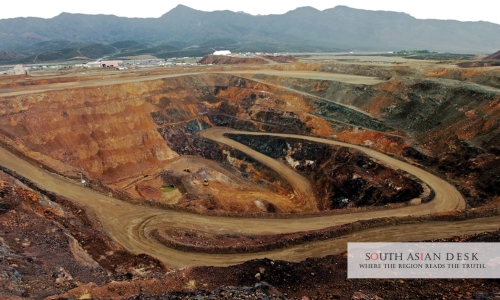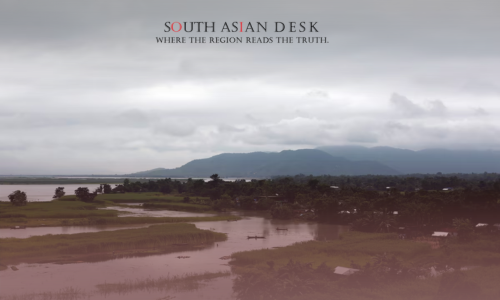
Why China’s neighbours are worried about its new mega-dam project. China has begun constructing a $170 billion hydropower project on the Yarlung Zangbo River in Tibet, set to surpass the Three Gorges Dam as the world’s largest. Announced by Premier Li Qiang on July 19, 2025, the project, comprising five dams along a 50-km stretch, aims to generate 300 billion kilowatt-hours annually, enough to power Britain. While China touts clean energy and economic benefits, the lack of transparency fuels alarm in downstream nations, India and Bangladesh, where the river, known as the Brahmaputra, sustains millions.
India’s Arunachal Pradesh Chief Minister Pema Khandu warned the dam could reduce river flow by 80%, threatening agriculture and water supply, while risking floods in Assam. Reduced sediment flow, vital for fertile floodplains, adds to concerns, as noted by Columbia University’s Michael Steckler. Historical tensions, including a 1960s border war, amplify fears that China could manipulate water flows during conflicts. Bangladesh, reliant on the Brahmaputra for irrigation and drinking water, has sought more details from Beijing, with no clear response.
China insists the “run-of-the-river” design minimizes downstream impact and supports flood control, but its sparse communication heightens distrust. The project’s location in a seismically active zone prone to earthquakes and landslides raises safety concerns, especially after a recent Tibet quake. Social media posts reflect regional anxiety, with calls for India to accelerate its own 11.5-gigawatt Siang River dam to secure water rights. Tibetans also protest, citing environmental damage and displacement risks, recalling crackdowns on similar demonstrations. The project, expected to generate power by the mid-2030s, underscores the delicate balance between energy ambitions and regional stability.
Published in SouthAsianDesk, July 23rd, 2025
Follow SouthAsianDesk on X, Instagram and Facebook for insights on business and current affairs from across South Asia.