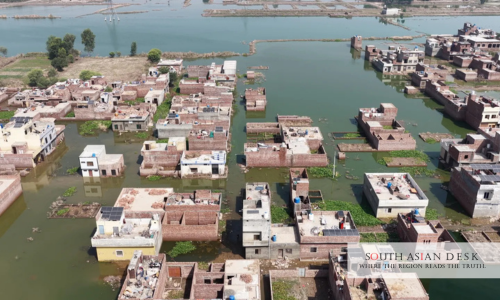
At least 150 people died and over 2 million were displaced in Pakistan as climate change Pakistan floods battered the country on Monday. Torrential rains from an intensified monsoon system hit Sindh and Balochistan hardest. Rescue operations continue amid widespread destruction. Officials blame rising global temperatures for the severity.
This catastrophe amplifies South Asia’s climate crisis. Pakistan contributes less than 1% of global emissions yet ranks among the top 10 most vulnerable nations. The floods threaten food security for 220 million people in the region. They expose gaps in infrastructure and adaptation funding. Immediate relief is vital. Long-term resilience demands international support.
Climate Change Pakistan and Deadly Floods Causes
Scientists link the disaster to human-induced warming. Glaciers in the north melt faster. This swells rivers during monsoons. The Pakistan Meteorological Department (PMD) recorded 300mm of rain in 24 hours in some areas. That exceeds annual averages by 50%.
Warmer air holds more moisture. Storms grow fiercer. The National Disaster Management Authority (NDMA) issued warnings last week. Yet infrastructure buckled. Dams overflowed. Levees breached. In Sindh, the Indus River surged 10 metres above normal levels. Homes submerged. Crops drowned.
NDMA Director General Irfan Ali Memon stated in a press release: “These deadly floods Pakistan causes stem from climate patterns shifting due to global warming. We evacuated 500,000 people preemptively.” The statement came on August 23. It detailed 1,200 relief camps set up nationwide.
Experts at the Intergovernmental Panel on Climate Change (IPCC) have long flagged Pakistan’s risk. A 2023 report predicted 20% more intense monsoons by 2030. This event aligns with those forecasts. Urban sprawl worsens runoff. Deforestation strips natural buffers. Together, they amplify flood risks.
Worsening Floods in Pakistan
Pakistan faces worsening floods in Pakistan every year. The 2022 deluge killed 1,700 and cost USD 30 billion. This year’s toll rivals that scale. The federal government allocated PKR 50 billion for reconstruction. But aid lags. International donors pledged USD 2.6 billion post-2022. Disbursement stalls at 40%.
In Balochistan, 50,000 livestock perished. That hits pastoral communities hard. Sindh saw 300 schools damaged. Education disrupts for 100,000 children. Health risks mount. Waterborne diseases spread in stagnant pools. The World Health Organisation reports 5,000 malaria cases already.
Prime Minister Shehbaz Sharif addressed the nation on Sunday. “We stand with our people against these worsening floods in Pakistan,” he said. “Climate justice is non-negotiable.” His office released the transcript via official channels. It called for debt relief to fund green projects.
Economic fallout ripples across South Asia. Pakistan exports cotton and rice. Floods slash yields by 30%. Neighbouring India monitors border rivers. Shared waters demand cooperation. The South Asian Association for Regional Cooperation (SAARC) could lead joint strategies. But political tensions hinder progress.
Data from the PMD shows monsoon intensity up 15% since 2000. Satellite imagery confirms glacier retreat at 0.5 metres per year in the Himalayas. These trends signal escalation. Without emission cuts, experts warn of annual mega-floods.
Pakistan Monsoon Climate Impact
The Pakistan monsoon climate impact extends beyond borders. It disrupts migration patterns. Displaced families seek refuge in cities like Karachi. Overcrowding strains services. Power outages last days in rural belts. The grid lost 20% capacity from submerged substations.
Agriculture bears the brunt. Wheat fields under water rot. Harvest delays push food prices up 25%. The State Bank of Pakistan forecasts GDP growth dipping to 1.5% this fiscal year. Inflation hits 22%. Poor households spend 60% of income on staples.
Women and children suffer most. NDMA data indicates 60% of deaths are female. Cultural norms limit mobility. Rescue teams prioritise vulnerable groups. UNICEF deployed 200 mobile units for nutrition aid.
Environmental scars linger. Soil erosion strips topsoil. Biodiversity hotspots flood. The Indus delta shrinks by 1 sq km yearly. Mangroves, key for carbon sinks, face saltwater intrusion. Restoration efforts falter amid crises.
International voices echo urgency. UN Secretary-General Antonio Guterres tweeted on August 24: “Pakistan pays the price for the world’s inaction on climate.” The post linked to a relief fund. It garnered 1 million views.
Local activists rally. In Lahore, protests demand policy shifts. “Adapt or perish,” reads a banner. Youth groups plant mangroves. Community-led early warning systems save lives in pilot areas.
Background
Pakistan’s flood history traces to 2010. That event killed 2,000 and affected 20 million. Cycles repeat. Climate models tie it to Arctic melt and Indian Ocean warming. The 2022 floods were a wake-up call. A USD 10 billion loss plan launched. Progress stalls on funding.
Government reports highlight underinvestment. Only 0.5% of GDP goes to disaster prep. Compared to 2% in wealthier nations, the gap yawns. Bilateral aid from China builds dams. But sustainability questions arise.
What’s Next
Relief ramps up. The army airlifted 1,000 tonnes of supplies. US and EU envoys visit Islamabad this week. Talks focus on loss and damage funds from COP29. Pakistan pushes for USD 100 billion annual climate finance.
Long-term, a national adaptation plan rolls out. It targets resilient crops and flood barriers. Public awareness campaigns educate on risks. Monsoon forecasts improve with AI tools from PMD.
The climate change Pakistan floods underscore a harsh reality. Without collective action, South Asia’s breadbasket turns battleground. Resilience builds now or costs multiply later.
Published in SouthAsianDesk, November 2nd, 2025
Follow SouthAsianDesk on X, Instagram, and Facebook for insights on business and current affairs from across South Asia.