India extends cotton import duty exemption until December 31 to support textile exporters facing US tariffs.
On Thursday, August 28, 2025, India extended the cotton import duty exemption until December 31 to aid its textile industry, hit by 50% US tariffs, by reducing production costs.
The extension of the cotton import duty exemption is critical for India’s textile sector, a key economic driver in South Asia, as it mitigates the impact of US tariffs and supports export competitiveness.
Cotton Import Duty Exemption Extended
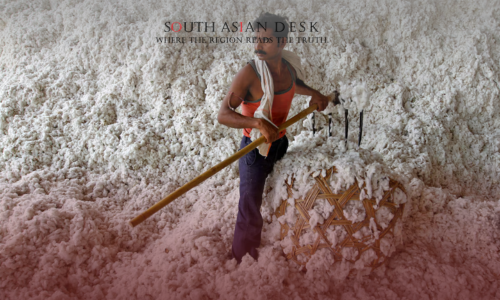
India has prolonged the exemption of an 11% import duty on cotton, initially set to end on September 30, 2025, until December 31, 2025, according to a government notification issued by the Ministry of Finance. This decision aims to bolster the textile industry, which is grappling with steep 50% tariffs imposed by the United States. The exemption covers raw cotton under HS code 5201, removing both the 5% basic customs duty and the 5% Agriculture Infrastructure and Development Cess (AIDC).
Impact of US Tariffs
The US tariffs, comprising a 25% base rate and an additional 25% levy effective from Wednesday, August 27, 2025, target Indian goods, particularly textiles, gems, and jewellery. The tariffs threaten India’s $48.2 billion export market in the US, its largest for garments. The United States imposed these tariffs as a response to India’s purchase of Russian oil, significantly impacting the textile sector, which accounted for $22 billion in exports in 2024. Atul Ganatra, president of the Cotton Association of India, stated that the duty-free extension could lead to record imports of 4.2 million bales this year.
Supporting Textile Exporters
The duty exemption allows Indian textile companies to import cheaper cotton, stabilising production costs and enhancing competitiveness against countries like Bangladesh and Vietnam, which face lower US tariffs of 20%. According to @Manisha3005 on X, the exemption benefits the entire textile value chain, including yarn, fabric, and apparel. Industry bodies, such as the Confederation of Indian Textile Industry (CITI), have long advocated for the removal of the cotton import duty to counter high input costs and global competition.
Balancing Farmer and Industry Interests
The decision, while beneficial for exporters, raises concerns among cotton farmers, who fear that cheaper imports could depress domestic prices during the peak harvest season from October to March. The government had previously imposed the 11% duty in February 2022 to protect small farmers, and the temporary exemption was limited to 40 days to avoid sustained price drops.
Regional Trade Dynamics
The cotton import duty waiver is also seen as a diplomatic signal to the US, India’s second-largest cotton supplier after Australia. Ajay Srivastava, founder of the Global Trade Research Initiative, noted that the US stands to benefit significantly from increased cotton exports to India. However, the move complicates India’s “Make in India” initiative, as some exporters are exploring overseas manufacturing to offset tariff impacts.
Background
India, the world’s second-largest cotton producer, has faced challenges balancing domestic production and export demands. The textile industry, a major contributor to India’s GDP, employs millions and accounts for a significant share of exports. The initial duty exemption, announced on Monday, August 18, 2025, was set to end on September 30 but was deemed too short for long-term import orders. The US tariffs, escalating to 50% from August 27, 2025, have intensified pressure on India’s garment sector, prompting urgent policy measures to maintain market share against competitors like China (30% tariffs) and Bangladesh (20% tariffs).
What’s Next
The extended cotton import duty exemption is expected to stabilise prices and support India’s textile exports through 2025. However, ongoing trade tensions with the US and potential impacts on domestic farmers will likely shape future policy decisions regarding cotton imports.
Published in SouthAsianDesk, August 28th, 2025
Follow SouthAsianDesk on X, Instagram, and Facebook for insights on business and current affairs from across South Asia.