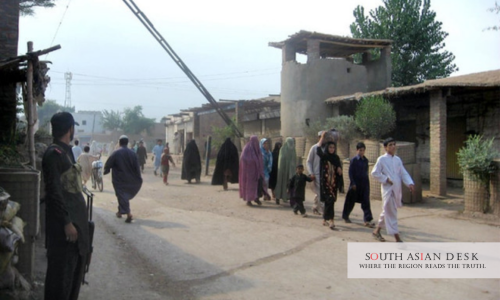
Escalating tensions between Pakistan and the Afghan Taliban have brought daily life to a halt near the Torkham border crossing, a key trade route. The conflict intensified on February 26, 2026, when Afghan Taliban forces launched operations along the border, citing retaliation for Pakistani airstrikes on February 22.
Gunfire and heavy weaponry echoed around Torkham and Landi Kotal, a major trade hub, disrupting the local economy and causing distress among residents. Malikdin Khel tribal elder Shaukat Khan Afridi expressed deep concern about the potential for war, highlighting the unemployment crisis exacerbated by trade disruptions.
Community leader Haji Sahib Khan condemned terrorism and stressed the hardships faced by Pashtun tribes on both sides of the border. He urged for negotiations to alleviate the suffering caused by ongoing tensions. Muhammad Rafiq, acting president of the Landi Kotal Traders Union, echoed these sentiments, emphasizing the need for dialogue.
The broader impact is evident as five border crossings remain closed, affecting trade and daily life. Displaced residents, like Qudratullah from Haripur, face severe health challenges due to the border closure. In the village of Awal Khan Killi, locals have taken refuge in old railway tunnels for safety, relying on volunteers for sustenance.
Movement remains restricted, with private schools closed by district authorities. The situation calls for immediate diplomatic efforts to prevent further escalation and restore normalcy in the region.
Published in SouthAsianDesk, March 2nd, 2026
Follow SouthAsianDesk on X, Instagram and Facebook for insights on business and current affairs from across South Asia.