Delhi activated Delhi GRAP 4 restrictions on 13 December 2025 to combat severe air pollution levels exceeding 450 on the Air Quality Index. The Commission for Air Quality Management (CAQM) invoked stage 4 measures across Delhi and the National Capital Region. These include bans on non-compliant vehicles, fuel restrictions, and limits on office attendance.
The curbs target vehicular emissions, construction dust, and industrial pollution trapped by winter inversion layers. Cold air and calm winds worsen the annual crisis in the region home to over 30 million people.
Key Measures Under Delhi GRAP 4 Restrictions
Delhi GRAP 4 restrictions introduce eight emergency actions beyond earlier stages. Authorities enforce bans on non-essential diesel vehicles, construction activities, and truck entry into the city. Private and government offices must limit physical attendance to 50%, with the rest working from home.
Exceptions apply to essential services such as hospitals and emergency operations. Hybrid schooling continues in many institutions.
Delhi Office WFH Curbs Implemented
Delhi office WFH curbs require all government and private offices in Delhi to operate at 50% capacity. The remainder of staff must work remotely. Local government minister Kapil Mishra announced the rule at a press conference.
Delhi’s Environment Minister Manjinder Singh Sirsa stated: “Our government is committed to providing clean air in Delhi. We will take strict steps to ensure this in the coming days.” Private sector employers must comply, though enforcement focuses on government offices first.
Delhi Non BS-VI Vehicle Ban Enforced
The Delhi non BS-VI vehicle ban prohibits entry of light motor vehicles not meeting BS-VI standards from outside Delhi. Delhi-registered BS-III petrol and BS-IV diesel four-wheelers face restrictions under earlier stages.
Traffic police deploy at borders to check compliance. Only electric, CNG, and LNG vehicles, plus essential services, receive exemptions. Older diesel trucks cannot enter the city except for approved essentials.
Delhi No PUC No Fuel Rule Activated
Petrol pumps enforce the Delhi no PUC no fuel policy strictly. Stations refuse service to vehicles without valid Pollution Under Control certificates. Police conduct checks at fuel stations and borders. The rule aims to remove high-emitting vehicles from roads quickly.
Background on GRAP Framework
The Graded Response Action Plan divides air quality responses into four stages based on AQI readings. Stage 4 activates when AQI exceeds 450 in the severe plus category.
CAQM issued the invocation order on 13 December 2025. The plan addresses winter pollution from vehicles, crop stubble burning in neighbouring states, construction, and biomass burning.
Delhi GRAP 4 restrictions build on stages 1 to 3, already in force. Meteorological conditions trap pollutants close to the ground. Construction and demolition activities halt except where proper dust control infrastructure exists. India’s Environment Minister Bhupender Yadav directed authorities to allow limited works with waste handling measures.
Registered construction workers receive INR 10,000 compensation due to the ban. Many daily wage earners lose income during stoppages.
Impact on Daily Life
Commuters face longer checks at Delhi borders. Non-compliant vehicles turn back, disrupting travel from neighbouring states.
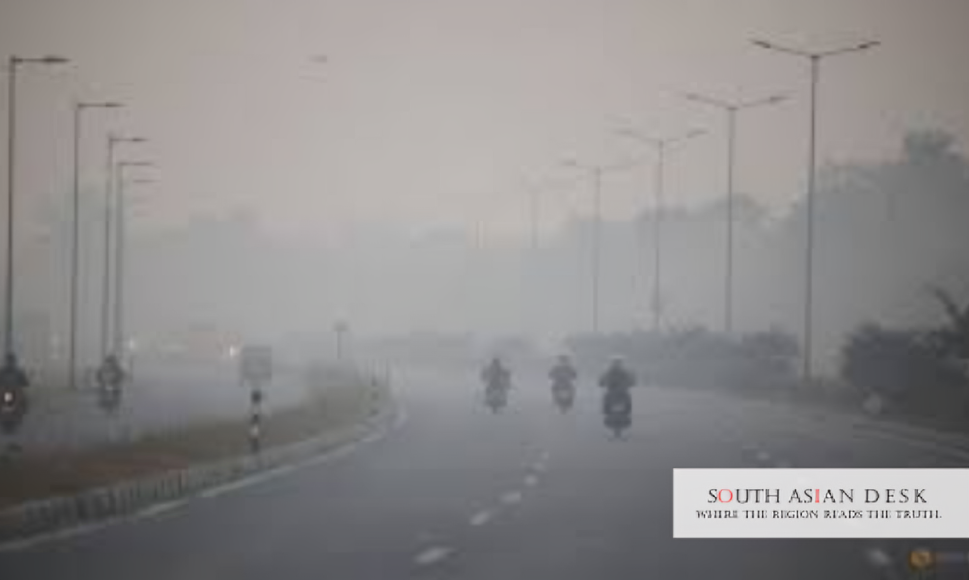
Residents report reduced visibility and health concerns. Severe pollution exposes millions to respiratory risks. Traffic management includes removing illegal encroachments for smoother flow during peak hours. Shallow fog delays flights and trains.
Enforcement teams monitor hotspots. Authorities intensify mechanical road sweeping and water sprinkling.
What’s Next
Delhi GRAP 4 restrictions remain in effect until air quality improves significantly. CAQM reviews AQI data daily with forecasts from the Indian Institute of Tropical Meteorology.
Further deterioration could prompt additional measures. Improvement below severe levels would allow phased revocation. Authorities urge residents to use public transport and follow guidelines. The measures aim to protect public health during the winter peak.
Delhi GRAP 4 restrictions highlight the ongoing challenge of urban air quality management in one of the world’s most polluted capitals.
Published in SouthAsianDesk, December 18th, 2025
Follow SouthAsianDesk on X, Instagram, and Facebook for insights on business and current affairs from across South Asia.