Sri Lanka has recorded 2,170 dengue cases in the first nine days of 2026, health officials reported. The spike follows floods from Cyclone Ditwah in late 2025. Authorities identified 41 Medical Officer of Health divisions at high risk. No deaths have occurred yet.
The surge in dengue in Sri Lanka highlights vulnerabilities in South Asia, where climate events exacerbate vector-borne diseases. Similar patterns appear in neighbouring India and Pakistan, stressing regional health preparedness.
Sri Lanka Dengue Outbreak Triggers Alert
Health teams detected the increase through routine surveillance. The National Dengue Control Unit noted an average of 240 cases daily. This rate exceeds early 2025 figures, when January saw 4,931 cases total.
Dr. Prashila Samaraweera, community medical specialist at the National Dengue Control Unit, stated health teams have intensified surveillance and mosquito-control operations in the 41 affected areas.
The Sri Lanka dengue outbreak stems from stagnant water left by Cyclone Ditwah. The cyclone struck in late November and early December 2025, causing widespread flooding.
Cyclone Ditwah Dengue Link Exposed
Cyclone Ditwah brought heavy rains and floods to multiple districts. It resulted in 639 deaths and affected over 2.3 million people. Damage estimates reached USD 4.1 billion.
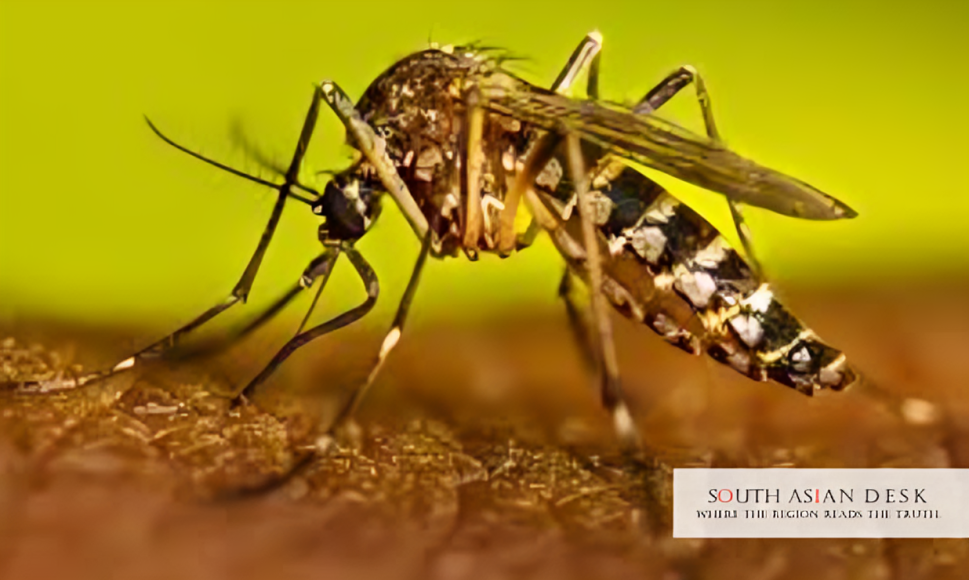
Floodwaters created breeding sites for Aedes mosquitoes, the dengue vector. Officials found larvae in schools, government buildings, places of worship, and abandoned lands.
In the Western Province, 561 cases emerged, the highest tally. Other provinces reported lower numbers, but surveillance covers all regions.
Dengue cases Sri Lanka 2026 started low but rose quickly post-floods. By 7 January, cases hit 1,878. Two days later, the count reached 2,170.
Dengue Cases Sri Lanka 2026: District Breakdown
Colombo district leads with significant infections. Kegalle, one of the hardest-hit by the cyclone, faces added risks. Health system resilience in such areas proved vital, with emergency responses aiding recovery.
Authorities warn that without action, dengue in Sri Lanka could mirror 2025’s 51,479 cases. That year saw peaks during monsoons in June-July and October-December.
Dengue symptoms include high fever, severe headache, pain behind eyes, joint and muscle pain, nausea, and rash. Severe cases lead to plasma leakage, bleeding, or organ impairment.
Transmission occurs via Aedes aegypti and Aedes albopictus mosquitoes. They breed in clean, stagnant water in containers, tyres, or plant pots.
Background
Dengue remains endemic in Sri Lanka since the 1960s. Annual cases fluctuate with rainfall and urbanisation. South Asia reports millions of infections yearly, with Sri Lanka’s burden heavy due to tropical climate.
In 2017, a major outbreak claimed over 300 lives. Since then, control measures reduced incidence, but events like Cyclone Ditwah reverse gains.
The cyclone’s impact extended beyond immediate destruction. It disrupted health services, displaced populations, and increased vulnerability to diseases like dengue and leptospirosis.
Flood-prone districts often record high dengue rates. Climate change intensifies such risks, with warmer temperatures aiding mosquito survival.
Neighbouring countries face similar threats. India reported over 200,000 cases in 2025, while Pakistan battled outbreaks in Punjab and Sindh.
Sri Lanka’s response includes the National Dengue Control Unit, established in 2005. It coordinates surveillance, vector control, and public education.
Prevention Efforts Ramp Up
Officials urge residents to eliminate breeding sites. Empty water containers weekly, use larvicides, and cover storage tanks.
Public health inspectors conduct door-to-door checks. Fogging operations target adult mosquitoes in high-risk zones.
Schools and institutions receive special attention. Abandoned properties face fines if owners neglect maintenance.
Community involvement proves key. Past campaigns reduced cases by 50 percent in some areas.
The Ministry of Health collaborates with WHO for technical support. Post-cyclone, WHO aided Kegalle district’s recovery, focusing on surveillance.
What’s Next
Monitoring will continue through January. If rains persist, dengue in Sri Lanka may peak further.
Authorities plan expanded vector control. Public alerts via media aim to boost compliance. Long-term, climate-resilient strategies are essential. These include better drainage and urban planning.
International aid may support recovery. The IFRC tripled its appeal for Cyclone Ditwah relief, including health components. Dengue in Sri Lanka demands sustained vigilance to curb spread.
Published in SouthAsianDesk, January 11th, 2026
Follow SouthAsianDesk on X, Instagram and Facebook for insights on business and current affairs from across South Asia.