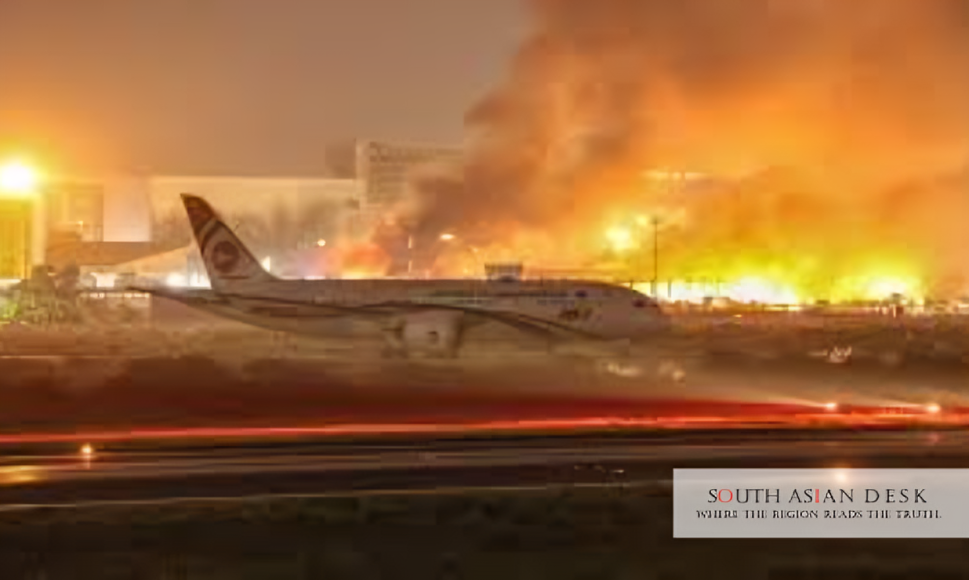
The Dhaka airport fire cargo terminal engulfed the cargo village of Hazrat Shahjalal International Airport, destroying vital shipments and injuring 35 people. An official probe attributes the Dhaka airport fire cause electrical short to a faulty circuit, ruling out sabotage. Authorities now scramble to assess the full toll on Bangladesh’s economy.
This catastrophe strikes at the heart of South Asia’s garment powerhouse, where Bangladesh leads exports worth $45 billion annually. The Dhaka airport fire cargo terminal blaze exposes vulnerabilities in a sector employing four million, potentially delaying shipments to global brands and eroding investor confidence across the region. With supply chains already strained by climate and geopolitical woes, such disruptions ripple from Dhaka to Delhi, amplifying costs for apparel giants reliant on Bangladeshi factories.
Probe Details Dhaka Airport Fire Cause Electrical Short
Investigators pinpointed the origin of the Dhaka airport fire cargo terminal blaze to an electrical arc and short circuit in the northwest corner of an extended courier shed. The fire spread rapidly through highly flammable cargo, including polythene-wrapped fabric rolls, chemicals, perfumes, electronics, batteries, and pharmaceutical materials stored without proper safeguards. A high-level committee, formed by the Chief Adviser’s Office, submitted its findings on August 26, highlighting “complete failure to ensure proper security and fire safety.”
The team included experts from the Fire Service and Civil Defence, Criminal Investigation Department forensics, Armed Forces Division, National Security Intelligence, Explosives Directorate, Dhaka Electric Supply Company, Counter Terrorism and Transnational Crime unit, Bangladesh University of Engineering and Technology, and the Ministry of Civil Aviation and Tourism. Turkish disaster management agency AFAD provided technical support. Chief Adviser’s Press Secretary Shafiqul Alam Bhuiyan stated, “The fire at Hazrat Shahjalal International Airport’s cargo village was caused by an electrical short circuit, not sabotage.” This confirms the Dhaka airport fire cause electrical short as accidental, stemming from neglected wiring and overloaded circuits.
No arrests followed the initial response, but the report urges immediate reforms. It criticises the Civil Aviation Authority of Bangladesh (CAAB), lessee Biman Bangladesh Airlines, and courier operators like DHL, RS, and SRK for negligence. About 75% of affected goods remained auctionable, yet customs failed to clear or auction them promptly, exacerbating losses.
Bangladesh Garment Losses Dhaka Airport Fire: A $1 Billion Hit
The Dhaka airport fire cargo terminal inferno inflicted severe Bangladesh garment losses Dhaka airport fire, with estimates reaching $1 billion in destroyed inventory. Garment shipments, bound for Europe and North America, formed the bulk of the 5,000 tonnes of cargo gutted in the blaze. Exporters reported losses of ready-made apparel, fabrics, and accessories critical to orders from brands like H&M, Zara, and Gap.
Bangladesh Garment Manufacturers and Exporters Association (BGMEA) Vice President Rakibul Alam told reporters, “This Dhaka airport fire cargo terminal disaster could delay 20% of our September exports, hitting factory workers hardest.” Data from the Bangladesh Export Promotion Bureau shows garments account for 84% of the country’s $50 billion annual exports. The fire consumed warehouses holding time-sensitive consignments, forcing rerouting through Chittagong port, a costlier, slower alternative.
Traders assessed damages on August 26, revealing scorched polybags of T-shirts, jeans, and knitwear. One exporter, speaking anonymously, estimated his firm’s loss at BDT 500 million (USD 4.2 million), including insured and uninsured stock. Insurance claims may cover 60% of losses, but delays in payouts strain cash flows for small factories. The incident underscores risks in centralising cargo at one facility, where 90% of air imports pass through HSIA.
Beyond garments, pharmaceuticals and electronics suffered too. The Federation of Bangladesh Chambers of Commerce and Industry (FBCCI) pegged total cargo value at BDT 120 billion (USD 1 billion), with 40% irrecoverable. This Dhaka airport fire cargo terminal event amplifies Bangladesh garment losses Dhaka airport fire, threatening jobs and foreign exchange reserves.
Safety Lapses Exposed in Dhaka Airport Fire Cargo Terminal
Chronic underinvestment in fire safety fuelled the rapid spread. The probe found no functional sprinklers, inadequate exits, and flammable materials stacked haphazardly, violating International Civil Aviation Organisation (ICAO) standards. Biman Bangladesh Airlines, managing the sheds, stored goods in the apron area, a no-go zone for hazards.
CAAB Director General Md Mizanur Rahman admitted, “We accept the lapses and will implement all recommendations swiftly.” The report calls for a special fire station at the airport, relocation of hazardous warehouses, and banning apron storage. It also proposes limiting Biman’s role to flights and creating an independent airport operator.
Firefighters battled the blaze for eight hours, deploying 22 units. Initial response delays stemmed from narrow access roads clogged with vehicles. At least 35 suffered smoke inhalation, treated at nearby hospitals. No fatalities occurred, a small mercy amid the chaos.
This Dhaka airport fire cause electrical short mirrors past incidents, like the 2019 Narayanganj warehouse fire that killed 70. South Asia’s aviation hubs, from Mumbai to Karachi, face similar perils, with outdated infrastructure handling surging trade volumes.
Background: A Hub Under Strain
Hazrat Shahjalal International Airport handles 12 million passengers and 300,000 tonnes of cargo yearly, fuelling Bangladesh’s growth. Built in 1980, expansions lag behind demand, leading to overcrowding. The cargo village, leased to Biman since 2000, processes 70% of imports by air. Recent audits flagged electrical risks, but upgrades stalled due to budget constraints.
Post-2024 political unrest, the interim government prioritised stability, sidelining infrastructure. The August 25 fire exposes these gaps, with the probe warning of recurrence without overhaul.
What’s Next for Dhaka Airport Fire Cargo Terminal Recovery
Authorities plan a 30-day audit of all facilities, enforcing ICAO compliance by year-end. BGMEA seeks government compensation for exporters, while insurers expedite claims. Reconstruction bids open next week, targeting partial reopening by September 15.
International partners, including the Asian Development Bank, eye funding for upgrades. Chief Adviser Dr Muhammad Yunus vowed, “We will not let this Dhaka airport fire cargo terminal tragedy define our progress.” As probes continue, Bangladesh garment losses Dhaka airport fire demand swift action to safeguard the sector.
In the end, the Dhaka airport fire cargo terminal serves as a stark reminder: unchecked risks can ignite economic wildfires in South Asia’s trade engines.
Published in SouthAsianDesk, November 26th, 2025
Follow SouthAsianDesk on X, Instagram, and Facebook for insights on business and current affairs from across South Asia.