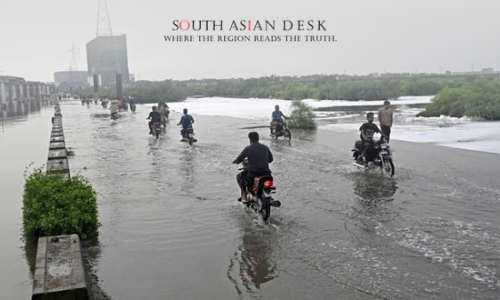
Health experts warn of vector-borne and water-borne diseases in Karachi due to stagnant water and poor sanitation following heavy monsoon rains. Health experts in Karachi warned on Wednesday, August 27, 2025, that stagnant water and uncollected waste from recent monsoon rains could trigger disease outbreaks, urging authorities to clear drains and garbage swiftly. The threat, exacerbated by a collapsed sewerage line, risks spreading vector-borne and water-borne illnesses across the city.
Why This Matters
Karachi, Pakistan’s largest city and economic hub, faces recurring monsoon-related challenges that threaten public health and urban resilience. Disease outbreaks feared in Karachi could strain healthcare systems and impact regional stability, highlighting the need for improved infrastructure and disaster preparedness across South Asia’s densely populated cities.
Health Risks from Stagnant Water
Following heavy monsoon rains, Karachi’s streets, including Dr Ziauddin Ahmed Road near Burns Garden, remain flooded with sewage and filth due to a caved-in main sewerage line. Dr Imran Sarwar, head of the emergency department at Dr Ruth Pfau Civil Hospital Karachi, warned that stagnant water could become breeding grounds for mosquitoes, increasing the risk of vector-borne diseases like malaria and dengue, as well as water-borne illnesses such as gastroenteritis. “We must utilise the brief time before the next rain spell to clear standing water,” he said.
Dr Sarwar noted that while viral infections currently dominate hospital cases, a shift towards vector and water-borne diseases is expected in the coming days, a pattern observed annually during the monsoon season. Dr Abdul Wahid Rajput, Medical Superintendent at the Sindh Infectious Diseases Hospital and Research Centre, reported that 30 to 40 percent of current patients are affected by such diseases, which can be fatal if complications arise. “All age groups are vulnerable,” he added, emphasising the urgency of addressing Karachi’s fragile infrastructure.
Environmental and Infrastructure Challenges
Dr Waqar Ahmed from Karachi University’s Institute of Environmental Studies highlighted the city’s inadequate waste management and drainage systems as key contributors to the health crisis. Overflowing gutters and heaps of garbage are exacerbating mosquito breeding, amplifying the risk of disease outbreaks. He proposed a traditional method of adding small amounts of vegetable, neem, mineral, or kerosene oil to stagnant water to kill mosquito larvae, noting its environmental safety due to minimal quantities used. “If citizens adopt this, we could see a sharp decline in mosquito populations,” he said.
Dr Ahmed urged rainwater harvesting to recharge Karachi’s groundwater and reduce flooding. “Channeling rooftop rainwater into recharge trenches could restore reservoirs,” he noted, warning that rampant concretisation blocks natural absorption. He called for mandatory harvesting in new buildings.KMC has started building rainwater storage tanks at key sites, but storm-drain cleaning remains patchy and underfunded, leaving many of the city’s 586 drains clogged ahead of monsoon.
Civic and Governmental Responsibility
Experts stressed that both citizens and authorities share responsibility for mitigating the crisis. Dr Rajput called for community efforts to maintain livable neighbourhoods, while Dr Ahmed pressed the city administration to prioritise infrastructure improvements. The Sindh Solid Waste Management Board has assured enhanced deployment of machinery and staff and launched a public awareness campaign ahead of monsoon, and the KMC has been continuously clearing 46 major nullahs since mid-June. However, the Karachi Metropolitan Corporation (KMC) and Sindh Solid Waste Management Board (SSWMB) have yet to issue an official response to the warnings, though past monsoon seasons have highlighted systemic delays in waste clearance and drain maintenance.
The collapse of the sewerage line on Dr Ziauddin Ahmed Road has worsened conditions in areas like Urdu Bazaar, where residents face daily disruptions. The lack of coordinated action risks amplifying health threats, particularly in densely populated areas with limited access to clean water and sanitation.
Background
Karachi’s monsoon seasons frequently lead to urban flooding and public health crises due to inadequate drainage and waste management systems. The city’s infrastructure struggles to cope with heavy rainfall, resulting in stagnant water and garbage accumulation. Past outbreaks of dengue, malaria, and gastroenteritis have strained healthcare facilities, with the 2022 floods highlighting the need for systemic reforms in urban planning and disaster management.
What’s Next
Without swift action to clear stagnant water and waste, disease outbreaks feared in Karachi could escalate, overwhelming hospitals and threatening public health. Authorities must prioritise drain maintenance and garbage collection while implementing long-term solutions like rainwater harvesting to build resilience against future monsoons.
Published in SouthAsianDesk, August 27th, 2025
Follow SouthAsianDesk on X, Instagram, and Facebook for insights on business and current affairs from across South Asia.