As the United Nations ramps up humanitarian efforts following a devastating quake, questions linger over long-term recovery amid funding challenges.
The United Nations has intensified earthquake relief efforts in Afghanistan after a 6.0-magnitude tremor struck eastern provinces on Sunday, 31 August 2025, killing over 2,200 people and injuring nearly 3,700, with aid focusing on shelter, health, and infrastructure in hard-to-reach areas like Nangarhar and Kunar. This catastrophe exacerbates Afghanistan’s humanitarian crisis, straining resources across South Asia and highlighting the need for regional solidarity to prevent spillover effects on neighbouring economies and refugee flows.
Devastation from the Quake
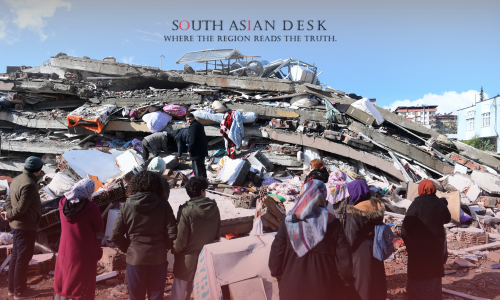
The earthquake, which occurred at 11:47 PM local time on Sunday, 31 August 2025, centred in Nangarhar Province, has left a trail of destruction in eastern Afghanistan. Initial assessments indicate more than 6,700 homes were destroyed or damaged, displacing thousands in remote districts such as Chawkay, Nurgal, and Dara-e-Nur. According to the United Nations Office for the Coordination of Humanitarian Affairs (OCHA), the disaster has affected at least 1 million people, many in areas inaccessible by road due to landslides and debris.
Casualty figures continue to rise as search and rescue operations persist. Official reports confirm over 2,200 fatalities and approximately 3,700 injuries, with women and children comprising a significant portion of the victims. The World Health Organization (WHO) has noted acute shortages of medical supplies in affected regions, underscoring the urgency of coordinated earthquake relief in Afghanistan.
UN’s Immediate Response
In response to the crisis, OCHA released $10 million from its Central Emergency Response Fund on Monday, 1 September 2025, to address immediate needs for food, water, shelter, and medical aid. This funding supports frontline partners delivering essentials to earthquake survivors in Afghanistan.
The United Nations Development Programme (UNDP) has played a pivotal role in bridging humanitarian aid with early recovery. UNDP’s initial assessment outlines an $8 million package specifically for earthquake relief in Afghanistan, targeting reconstruction of shelters, provision of temporary and permanent housing, road rehabilitation, and alternative energy supplies for affected families. Health assistance for communities remains a priority, given the outbreak risks in overcrowded displacement sites.
UNDP Aid for Afghanistan Earthquake Initiatives
Stephen Rodriguez, UNDP Resident Representative in Afghanistan, emphasised the scale of the challenge during a press conference on Tuesday, 2 September 2025. He stated that UNDP would launch an emergency appeal in the coming days, with OCHA scheduling it for Sunday, 8 September 2025, urging member states and partners to respond swiftly.
Shelter and Infrastructure Focus
Central to UNDP aid for Afghanistan earthquake recovery is the construction of resilient shelters. With over 6,700 homes razed, UNDP is collaborating with local communities and civil society to provide technical and financial support. This includes distributing shelter materials and facilitating the rebuilding of essential infrastructure, such as roads blocked by the quake’s aftermath.
In Kunar Province, where access remains limited, UNDP teams are prioritising energy solutions like solar kits to restore power to displaced households. These efforts aim to mitigate secondary risks, such as exposure to harsh weather, in the ongoing earthquake relief operations across Afghanistan.
Health and Community Support
Health services form another cornerstone of UNDP aid for the Afghanistan earthquake response. The programme allocates resources for medical outreach in Dara-e-Noor District, Nangarhar, where injuries from collapsing structures have overwhelmed local facilities. According to the WHO’s situation report dated Monday, 1 September 2025, four days post-quake, the scale of destruction continues to unfold, with urgent calls for more supplies.
UNDP’s approach integrates gender-sensitive aid, recognising that Afghan women and girls are disproportionately affected. UN Women’s statement on Friday, 5 September 2025, highlights their on-the-ground support to ensure equitable access to earthquake relief in Afghanistan.
International Contributions to Relief
Several nations have extended emergency assistance to bolster earthquake relief in Afghanistan. The United Kingdom, Qatar, Türkiye, Turkmenistan, Russia, Japan, China, and Iran have delivered initial consignments of aid, including food, tents, and medical kits. Australia’s government announced $1 million in humanitarian support on Wednesday, 3 September 2025, channelled through UN partners.
However, funding shortfalls pose significant hurdles. UN Under-Secretary-General for Humanitarian Affairs Tom Fletcher warned on Friday, 5 September 2025, that shrinking international contributions are hampering comprehensive relief efforts. He noted the quake as the latest crisis exposing the impact of prior aid reductions in Afghanistan.
The US administration has yet to approve assistance, according to sources, amid ongoing policy reviews—a development that could delay further earthquake relief in Afghanistan.
Background
Afghanistan’s vulnerability to natural disasters is compounded by decades of conflict and economic instability. The 31 August 2025 earthquake follows a pattern of seismic activity in the Hindu Kush region, where tectonic pressures frequently threaten border areas shared with Pakistan and Tajikistan. Previous events, such as the 2023 Herat quake, strained similar aid mechanisms, but the current response benefits from lessons in rapid deployment.
OCHA’s coordination has been crucial, with over 100 partners mobilised since the quake. Despite these advances, remote terrain and security concerns continue to challenge the distribution of earthquake relief in Afghanistan.
What’s Next for Recovery
Looking ahead, the UN anticipates a comprehensive recovery plan post the 8 September appeal, with UNDP aid for Afghanistan earthquake efforts expanding to long-term resilience building. International donors’ commitments will be key to sustaining momentum.
As recovery unfolds, earthquake relief in Afghanistan remains critical to stabilising the region and preventing a deeper humanitarian slide.
Published in SouthAsianDesk, September 7th, 2025
Follow SouthAsianDesk on X, Instagram, and Facebook for insights on business and current affairs from across South Asia.