Dhaka, Monday, December 05, 2025, 4:35 PM – Bangladesh’s interim government awaits India’s decision on extradition of Sheikh Hasina following her death sentence for crimes against humanity. Foreign Adviser Md Touhid Hossain confirmed that the request stands under the Bangladesh-India Hasina extradition treaty.
The International Crimes Tribunal convicted Hasina in absentia on November 17, 2025, for ordering a deadly crackdown on student protests that killed over 1,400 people. India received the formal note on November 22, 2025, and pledged to review it through judicial channels. How this unfolds tests ties between the neighbours, with Dhaka citing treaty obligations and New Delhi emphasising legal processes.
This saga underscores fractures in South Asian diplomacy, where Bangladesh seeks justice for 2024 unrest victims while India balances refugee protections with regional stability. The case highlights vulnerabilities in interim governance and extradition pacts, potentially reshaping border security and minority rights across the subcontinent.
Touhid Hossain Sheikh Hasina Return: Dhaka’s Firm Stance
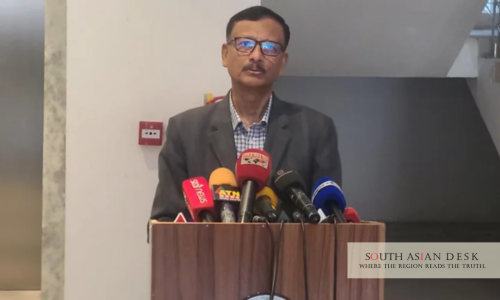
Md Touhid Hossain, Bangladesh’s Foreign Adviser, addressed the extradition of Sheikh Hasina impasse during a press briefing in Dhaka on December 05, 2025. He stated that Bangladesh had submitted a formal extradition request to India last week, invoking the 2013 bilateral treaty. India has said it is examining the matter. Let them examine it; we are also waiting,” Hossain said. “However, the highest court has already handed down her sentence. We had earlier requested her return, but did not receive a positive response. We are now waiting to see what India does.”
Hossain’s remarks came hours after Bangladesh’s Ministry of Foreign Affairs reiterated the demand in a diplomatic note verbale to India’s High Commission in Dhaka. The note described Hasina as a “fugitive accused” and argued that sheltering her constitutes “a highly unfriendly act and a disregard for justice.” Officials in Dhaka pointed to Article 2 of the treaty, which mandates extradition for serious crimes, such as those under the International Crimes (Tribunals) Act, 1973.
The adviser also touched on broader reforms under the interim administration led by Chief Adviser Muhammad Yunus. “We will not be able to complete all reforms. But we have initiated the process,” he added. “I hope those who form the next government will take the necessary steps to continue it.” These efforts include electoral preparations for polls slated for February 2026, amid ongoing probes into Hasina-era corruption and human rights abuses.
Data from the tribunal shows Hasina faces 12 active cases at the International Crimes Tribunal, with trials pending on charges ranging from genocide to enforced disappearances. Over 5,000 witnesses testified in the lead case, documenting 1,400 deaths and thousands injured during the July-August 2024 protests that toppled her Awami League government.
Hasina’s Death Sentence: India’s Response: New Delhi’s Measured Approach
India’s Ministry of External Affairs (MEA) confirmed receipt of the extradition request on November 26, 2025, during a weekly briefing. Spokesperson Randhir Jaiswal said: “We have received the request and it is being examined as part of ongoing judicial and internal legal processes.” He added that India remains “committed to the best interests of the people of Bangladesh, including peace, democracy, inclusion, and stability in that country, and will continue to engage constructively with all stakeholders.”
This echoes an MEA statement issued on November 17, 2025, immediately after the tribunal’s verdict. “India has noted the verdict announced by the ‘International Crimes Tribunal of Bangladesh’ concerning former Prime Minister Sheikh Hasina,” it read. “As a close neighbour, India remains committed to the best interests of the people of Bangladesh, including in peace, democracy, inclusion, and stability.” No timeline for a decision emerged, but sources indicate consultations involve the Ministry of Home Affairs and legal experts reviewing treaty clauses.
The 2013 extradition treaty, signed during Hasina’s tenure, allows refusal if offences are deemed political (Article 6) or if extradition proves “unjust or oppressive” (Article 8). Analysts note Hasina’s flight to India on August 5, 2024, followed by violent unrest, positioning her as a refugee under international norms. Hasina, now 78, has rejected the verdict as “biased and politically motivated,” claiming in media interviews from New Delhi that the tribunal lacks impartiality.
Bilateral trade reached USD 12.9 billion in fiscal 2024-25, according to India’s Commerce Ministry data, but delays in extraditing Sheikh Hasina have strained talks on water-sharing and border management. Incidents like the October 2025 Tripura clashes, involving Bangladeshi nationals, prompted MEA to urge Dhaka on minority protections, including for Hindus who comprised 8% of Bangladesh’s population in the 2022 census figures.
Background: From Protests to Tribunal Verdict
Sheikh Hasina led Bangladesh for 15 years, winning four terms since 2009. Her government faced accusations of authoritarianism, including media restrictions and arrests of opposition members. Tensions peaked in July 2024 when student protests against job quotas escalated into nationwide unrest. Security forces fired on crowds, killing 1,400 and injuring 20,000, according to UN estimates verified by Human Rights Watch reports.
Hasina resigned and fled to India on August 5, 2024, marking the end of Awami League rule. An interim government under Yunus took charge, banning the party and launching probes. The International Crimes Tribunal, established in 2010, indicted Hasina on October 15, 2025, for “systematic attacks” on protesters. The November 17 verdict found her guilty on three counts: ordering killings, inciting violence, and failing to prevent atrocities. Co-accused former Home Minister Asaduzzaman Khan Kamal received the same sentence.
Bangladesh invoked the treaty on August 10, 2024, but India demurred, citing procedural needs. A second request in December 2024 yielded no reply. The latest push post-verdict marks the third formal ask, with Dhaka warning of “hostility” if unmet.
Reforms under Yunus include banking sector clean-ups, with a recovery of BDT 100 billion (approximately USD 850 million) in misappropriated funds linked to Awami League figures, as per the Bangladesh Bank’s November 2025 report. Yet challenges persist: inflation at 9.8% and youth unemployment at 12%, fuelling calls for swift elections.
Extradition of Sheikh Hasina Treaty: Legal Hurdles Ahead
The Bangladesh-India Hasina extradition treaty spans 14 articles, prioritizing dual criminality and offenses punishable by at least one year in both nations. Crimes against humanity qualify, but political exemptions apply. Legal experts in Dhaka argue the tribunal’s ruling overrides such clauses, given the scale of atrocities.
India’s internal processes involve magistrate hearings and potential Supreme Court appeals, which could extend months. Precedents, such as the 2016 Vijay Mallya case, show that extraditions can take 2-3 years. Hasina’s team has hinted at asylum bids, complicating matters.
Regional implications loom large. Pakistan and China are closely watching developments, with Beijing offering USD 2 billion in aid to Dhaka in October 2025. South Asia’s stability hinges on de-escalation; unresolved extradition of Sheikh Hasina, risks border flare-ups, as seen in 2025 Rohingya repatriation stalls.
Touhid Hossain Sheikh Hasina’s return remains a flashpoint, with Hossain noting on December 05: “The circumstances have changed following the conviction.” Dhaka anticipates a reply “in due course,” but patience wears thin amid domestic pressures.
What’s Next: Polls, Probes, and Diplomacy
Bangladesh is targeting February 2026 elections, with the Election Commission aiming to register 120 million voters by December 2025. Yunus’s team vows inclusive polls, but Awami League loyalists protest the ban. Parallel probes target 50 former officials, including Hasina’s son, in the US.
India-Bangladesh dialogues resume in January 2026, per MEA schedules, covering Teesta water and power grids. A positive response to Hasina’s death sentence in India could thaw ties; a refusal might invite sanctions or third-party mediation.
As Dhaka builds its case, the world watches. The extradition of Sheikh Hasina will define accountability in South Asia, where justice often bends to geopolitics. Bangladesh insists: no refuge for the accused. India weighs: stability over surrender.
Published in SouthAsianDesk, December 5th, 2025
Follow SouthAsianDesk on X, Instagram, and Facebook for insights on business and current affairs from across South Asia.