Bangladesh sent a formal extradition request to India on November 21 for former Prime Minister Sheikh Hasina, convicted in absentia of crimes against humanity and sentenced to death over the 2024 uprising crackdown that killed more than 1,400 people.
This development tests the 2013 extradition treaty between the neighbours, highlighting ongoing strains in South Asian diplomacy that could influence regional stability, security cooperation, and Bangladesh’s path to elections amid barred opposition participation.
Latest Bangladesh Extradition Request Sheikh Hasina Developments
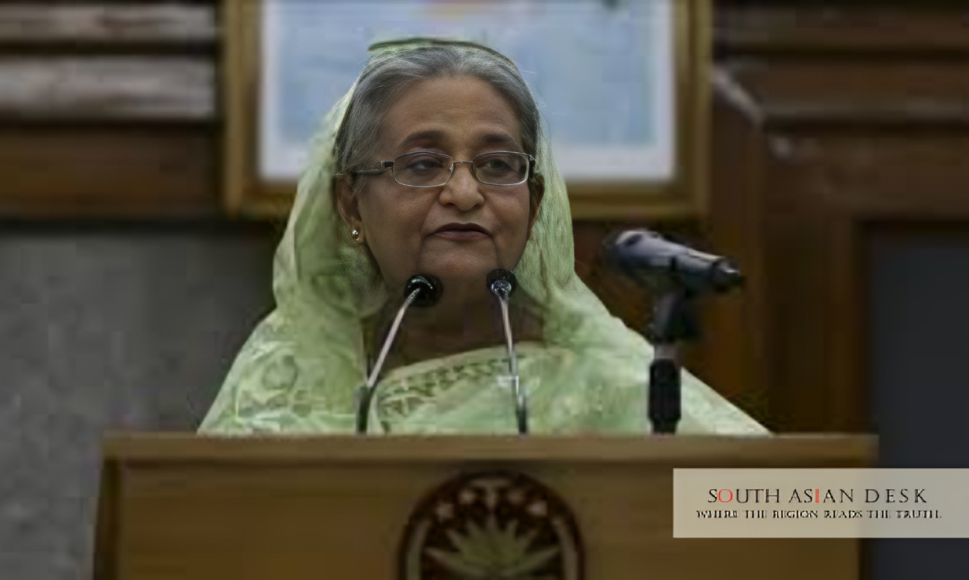
Touhid Hossain, holding the foreign affairs portfolio in Bangladesh’s interim administration, announced the request on November 23. The letter urges India to hand over Hasina, who has remained in hiding there since her ouster. Dhaka views this as fulfilling a key pledge to address the uprising’s fallout.
The request marks at least the third such appeal from Bangladesh. Prothom Alo, a local newspaper, reported prior attempts. India’s Foreign Ministry has noted the tribunal verdict but offered no comment on extradition prospects.
Hasina, aged 78, fled to India after the August 2024 events. Her 15-year rule had positioned India as a close ally. The shift followed mass protests that ended her tenure.
Hasina Fugitive India Extradition Challenges
Bangladesh’s Foreign Ministry described India’s stance as an “obligatory responsibility” under the 2013 bilateral treaty. The statement called sheltering Hasina a “grave act of unfriendly behaviour”. It further termed granting asylum to those convicted of crimes against humanity a “travesty of justice”.
The tribunal’s ruling on November 17 targeted Hasina’s role in the crackdown. More than 1,400 deaths occurred during the unrest, per United Nations figures. This conviction advances accountability for the violence.
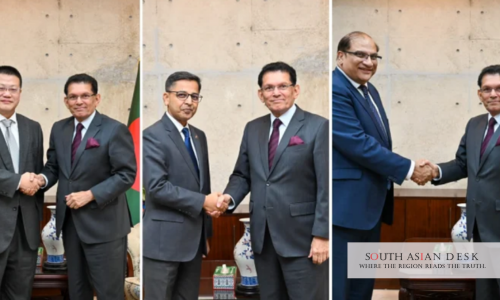
India’s support for Hasina in the past has contributed to frayed ties post-overthrow. Recent diplomatic moves, however, suggest potential easing. Bangladesh’s National Security Adviser Khalilur Rahman visited India for a regional security summit. He met his counterpart Ajit Doval and extended an invitation for a visit to Dhaka.
These interactions occur as both nations navigate shared borders and trade links. The extradition issue remains a focal point in bilateral talks.
Bangladesh India Diplomatic Tensions Post-Uprising
Relations between Dhaka and New Delhi cooled after Hasina’s departure. Her presence in India symbolises lingering divisions. The interim government, led by Muhammad Yunus, a Nobel Peace laureate, prioritises justice for the 2024 victims.
Yunus’s administration formed the special International Crimes Tribunal to handle such cases. The Hasina verdict represents progress in this effort. It aligns with public demands from the student-led protests.
Broader South Asian dynamics play a role. Neighbouring countries monitor the situation for its impact on migration, water sharing, and counter-terrorism efforts. The treaty’s provisions on extradition for serious crimes add legal weight to Bangladesh’s position.
Media in Bangladesh highlight the urgency. Coverage emphasises the need for swift action to restore trust. Indian responses so far remain measured, focusing on the verdict acknowledgment.
Sheikh Hasina Crimes Against Humanity Trial Details
The International Crimes Tribunal in Dhaka delivered the death sentence in absentia. Proceedings focused on Hasina’s orders during the uprising suppression. Evidence linked her administration to widespread abuses.
The trial process followed the interim government’s formation in August 2024. It aims to address systemic issues from Hasina’s era. Convictions like this one set precedents for future accountability.
Hasina’s Awami League faces a ban on political activity. This restriction shapes the landscape ahead of polls. The party, once dominant, now operates in limbo.
International observers note the tribunal’s role in transitional justice. The United Nations data on casualties underscores the scale of the 2024 events. Bangladesh seeks to close this chapter through legal means.
The conviction has domestic resonance. Families of the deceased welcome the outcome. It reinforces the uprising’s legacy in national discourse.
Regional Context and Bilateral Framework
The 2013 treaty outlines mutual obligations for handing over fugitives. Bangladesh argues it applies directly here. Exceptions for political offences do not cover crimes against humanity, per the ministry’s view. Diplomatic channels remain active. Rahman’s summit attendance signals commitment to dialogue. Doval’s potential visit could address multiple issues, including this one.
South Asia watches closely. Stable India-Bangladesh ties benefit trade routes and energy projects. Unresolved extradition risks escalation in rhetoric. The interim setup under Yunus focuses on reforms. Extradition success would bolster its credibility. Delays might fuel domestic criticism.
Background
Sheikh Hasina served as Bangladesh’s prime minister for 15 years until August 2024, when a student-led uprising overthrew her autocratic rule, resulting in more than 1,400 deaths according to the United Nations. She fled to India, a former ally, and has remained there. The interim government under Muhammad Yunus established the International Crimes Tribunal, which on November 17, 2025, convicted her in absentia of crimes against humanity tied to the crackdown and sentenced her to death.
This prompted Bangladesh’s repeated extradition requests under the 2013 treaty with India, with the latest sent around November 21, 2025. Relations strained due to India’s hosting of Hasina, though recent meetings like that between Khalilur Rahman and Ajit Doval indicate slight thawing. Awami League is barred from politics ahead of February 2026 elections.
What’s Next
India’s response to the Bangladesh extradition request Sheikh Hasina could define near-term bilateral progress, potentially influencing security summits and pre-election dynamics in Dhaka.
Published in SouthAsianDesk, November 24th, 2025
Follow SouthAsianDesk on X, Instagram, and Facebook for insights on business and current affairs from across South Asia.