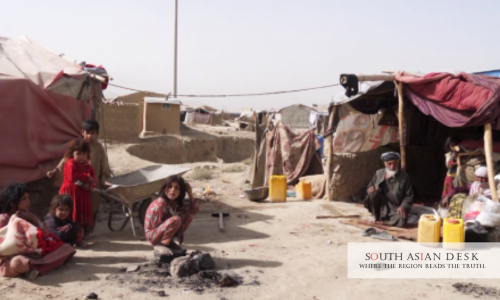
Displaced families in Kabul are facing a deepening winter crisis as temperatures plummet to minus 25 degrees Celsius, exacerbating shortages of shelter and food for over 2.6 million returnees this year. The United Nations High Commissioner for Refugees reported the surge on 7 October 2025, with many forced back from Iran and Pakistan now camping in informal settlements. Aid groups scramble to distribute essentials amid calls for urgent funding. This unfolds in Kabul at 4:35 p.m. on Friday, with hundreds enduring tent life after the earthquake.
The displaced families of the Kabul winter crisis reverberate across South Asia, straining borders with Pakistan and Iran, already hosting millions of Afghan refugees. It risks mass cross-border flows, burdens shared economies, and tests regional pacts on migration. In a belt of fragile states, unchecked hardship fuels instability, from radicalisation to resource strains in host nations. Aid shortfalls could amplify the echoes of famine, underscoring the need for coordinated responses beyond Afghanistan‘s frontiers.
Afghanistan IDPs Harsh Winter 2025 Threatens Lives
Afghanistan IDPs endure a harsh winter 2025 marked by relentless cold snaps and aid gaps. The International Organization for Migration tallied nearly five million people affected by climate-related woes in early 2025, displacing 175,000 internally, 79 percent of whom were displaced by weather extremes, such as heavy snowfall. Kabul shelters hundreds of such families in flimsy tents, many fleeing Kunduz conflicts or August’s earthquake that killed over 2,200 and left thousands homeless.
Residents voice despair. Khwaja, a returnee from Kunduz who had undergone surgery four days prior, borrowed 20,000 Afghanis for the costs. “Now I do not even have enough money to buy bread for tonight,” he told TOLOnews reporters. Bibi Gul, another displaced woman, pleaded, “We have nothing. We need help, and assistance must be provided to us.” Sharif, a father in the camp, added, “We are facing severe hardship. Come to our home, we do not even have a rug or anything else.”
Local elder Qoldash highlighted land woes. “Their biggest issue is that they have no land. In all of Afghanistan’s 34 provinces, they do not own even a meter of land. Now winter has arrived, they need fuel, food, and access to water.” The Ministry of Refugees and Repatriations had earlier facilitated returns for over 5,000 families, yet fresh waves continue to overwhelm the systems.
UNHCR data paints a grim picture. Over 2.6 million Afghans repatriated in 2025, most under duress, now confront the freeze without homes. Post-quake families in eastern provinces sleep outdoors, temperatures dipping to minus 25 degrees Celsius. The agency coordinates the distribution of tents, warm clothing, food parcels, medicine, and cash grants at borders and within camps.
Kabul Displaced Aid Winter Ramps Up Amid Shortfalls
Kabul displaced aid winter operations intensify, yet funding lags. The International Organization for Migration launched a flash appeal on 11 September 2025, seeking $ 16.8 million to support quake survivors through the cold season. Teams deliver non-food items to 134,000 affected individuals, battling mountainous terrain as snow blocks routes.
UN Office for the Coordination of Humanitarian Affairs outlined 2025 needs in its December 2024 plan. It projects that 24.4 million Afghans will require aid, including 6.3 million in protracted displacement. Harsh winters pose life-threatening conditions in the highlands, where isolation cuts off supplies. Flood risks from La Niña could displace thousands more, compounding the winter crisis for displaced families in Kabul.
Food insecurity affects 14.8 million people through March 2025, according to OCHA estimates. Rural areas suffer the most, with 47 percent of communities flagging hunger as their top peril and over 80 percent lacking access to safe water. IOM notes contaminated sources after disasters, increasing disease odds in crowded tents.
UNHCR stresses empowerment. Programs target women and girls with psychological counselling, healthcare, and legal aid, countering Taliban curbs. “Afghanistan continues to suffer from four decades of war, widespread poverty, and severe restrictions,” an agency statement read on 7 October. Returnees received voluntary repatriation cash of 8,400 and facilitated assistance of 13,000 more in September alone.
Earthquake fallout lingers. The 31 August tremor razed homes in four eastern provinces, forcing people to relocate to Kabul’s fringes. IOM warns of forgotten crises amid global distractions. “We are very afraid that it is being forgotten,” spokesperson Park stated, noting the EU’s reliance on perishables and basics.
Taliban Winter Humanitarian Needs Kabul Face Scrutiny
Taliban winter humanitarian needs in Kabul draw mixed reviews. The de facto authorities deny aid diversion, per a 14 August 2025 statement responding to a US report. Officials claim compliance with donor intentions, rejecting allegations of force in distributions. Yet, OCHA flags eviction risks for 191,500 people in 600 informal settlements, including Kabul sites, as state land development pushes them out.
Ministry efforts focus on repatriations, but critics note gaps in shelter builds. Qoldash urged the Islamic Emirate to act, as families eye uncertain futures. UNHCR calls for Taliban non-interference, enabling NGO access despite women’s work bans at UN sites.
Broader ties strain. Pakistan and Iran repatriated 1.5 million people in 2025, according to the IOM, swelling the Kabul camps. Regional forums push trilateral aid, but sanctions hobble banking. Taliban hosted Chinese and Pakistani envoys in August, pledging counter-terror and economic links, yet humanitarian voids persist.
Aid paradoxes emerge. Western cuts for defence shift funds from disasters, leaving Afghans vulnerable. IOM aids 600,000 across neighbours since 2021, scaling winter kits. Yet, a 35 per cent spike in food insecurity from last year signals an escalation.
Background: Layers of Conflict and Climate Woes
Afghanistan’s plight stacks decades of war atop economic collapse and Taliban rule since 2021. The August earthquake amplified displacements, joining conflict-driven flights from Kunduz. Early 2025 snows displaced 175,000 people, according to the IOM, while droughts ravaged farms.
OCHA’s 2025 plan flags multi-dimensional needs: protracted IDPs, shock-affected non-displaced, and vulnerable returnees. Protracted cases hit 6.3 million, with urban evictions looming in Kabul and Kandahar. Women’s restrictions deepen isolation, barring aid roles and services.
UNHCR’s $ 478.4 million USD appeal covers emergencies both inside and outside. Mid-year trends show that 117.3 million people were displaced globally by June 2025, with Afghans being the most prominent group—returning from Iran and Pakistan, over four million since 2023, and flooding systems.
Taliban policies, like hijab enforcements, sparked arrests, per UNAMA August posts. Yet, aid flows persist via direct channels, evading frozen assets.
What’s Next for Kabul Winter Crisis
Winter peaks in December, demanding preemptive stockpiles. IOM eyes mass returns, urging funding to avert border surges. OCHA projects reaching 22.1 million people with $ 4.44 billion, partnering with 158 groups.
Calls mount for durable solutions: land grants, job schemes, and rights reforms. Regional summits could forge pacts, extending corridors like the China-Pakistan Economic Corridor to Afghan recovery. Donors eye WTO aid for exports, aiming to break poverty cycles.
The displaced families in Kabul’s winter crisis demand unified action to avert tragedy, weaving Afghanistan’s IDPs’ harsh winter 2025 into a shared South Asian resilience.
Published in SouthAsianDesk, November 8th, 2025
Follow SouthAsianDesk on X, Instagram, and Facebook for insights on business and current affairs from across South Asia.