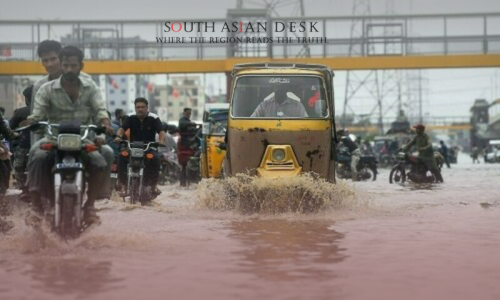
In the heart of South Asia, flash floods triggered by relentless monsoon rains have claimed hundreds of lives in Pakistan, leaving communities in despair and authorities scrambling for relief. As families mourn their loved ones amidst the wreckage of homes and villages, the nation braces for even more severe weather, with meteorologists forecasting an intense spell starting today that could exacerbate the crisis.
The recent downpours, which have battered northern regions since late July, have transformed tranquil valleys into scenes of chaos. In Khyber Pakhtunkhwa province, the hardest-hit area, rescue teams have recovered bodies from debris, with reports indicating over 300 fatalities in just the past few days. Among the deceased are women and children, their stories a poignant reminder of the vulnerability faced by ordinary people during such calamities. Entire families have been wiped out as surging waters swept away houses, bridges, and roads, isolating remote districts and hindering aid delivery.
Officials from the Provincial Disaster Management Authority (PDMA) have declared several areas, including Buner, Bajaur, Swat, Shangla, Mansehra, and Battagram, as disaster zones. Rescue operations, involving thousands of personnel, continue under challenging conditions; landslides and washed-out paths force workers to trek on foot to reach stranded survivors. Many residents, grieving the loss of relatives trapped in the rubble, hesitate to evacuate, adding to the emotional toll on both victims and responders.
The monsoon, arriving earlier than usual this year, has already caused widespread destruction across Pakistan. Cloud bursts and lightning strikes have compounded the misery, leading to collapsed buildings and further loss of life. Nationwide, the figure has surpassed 300, with injuries mounting and thousands displaced. Helicopters engaged in relief missions have faced perils too, as evidenced by a recent crash that claimed five lives, including pilots.
Threat from Flash Floods
Flash floods, the most immediate threat from these heavy rains, have inundated low-lying areas, submerging vehicles and farmland. In districts like Mingora in Swat Valley, residents navigate through damaged streets, their possessions reduced to mud-soaked ruins. The sudden deluge has caught many off guard, turning nullahs and streams into raging torrents that swallow everything in their path. Authorities warn that urban centres, including Peshawar, Lahore, and Islamabad, could see similar inundations if the predicted heavy falls materialise.
Meteorological experts attribute the erratic patterns to broader climate shifts, which make South Asia’s annual rains more unpredictable and fierce. This year’s season, expected to linger longer, brings vital water for agriculture yet unleashes havoc on ill-prepared infrastructure. Rivers such as the Indus and Sutlej are swelling, with dams like Tarbela nearing full capacity, prompting controlled releases that heighten downstream risks. In Punjab and Sindh, alerts have been issued for potential overflows, urging those near riverbanks to relocate promptly.
As the intense monsoon spell commences today, spanning until at least August 21, widespread rain accompanied by thunder and windstorms is anticipated. Kashmir, Gilgit-Baltistan, Khyber Pakhtunkhwa, Punjab, Sindh, and Balochistan all stand in the path of this weather system. Scattered heavy to very heavy falls may occur, with gaps offering brief respite, but the overall outlook remains grim. Flash floods in local waterways, landslides in hilly terrains, and urban flooding in major cities like Karachi and Hyderabad are probable, potentially disrupting daily life and straining resources further.
Communities across Pakistan exhibit remarkable resilience amid the adversity. Neighbours assist one another in clearing debris, while volunteers distribute essentials to those sheltered in makeshift camps. Yet, the human cost evokes profound sorrow; tales of lost livelihoods and shattered dreams resonate deeply, reminding readers of the fragility of existence in the face of nature’s fury. International expressions of solidarity underscore the shared humanity in such tragedies, as nations extend condolences and offers of support.
To mitigate future impacts, authorities emphasise precautionary measures: avoiding recreational activities near rivers, cooperating with evacuation orders, and staying informed through official channels. The government has mobilised the army alongside relief agencies to expedite aid, focusing on food, medical supplies, and temporary housing. As the rains persist, the priority remains saving lives and rebuilding shattered communities.
In this trying period, the people of Pakistan confront not just the immediate dangers but also the long-term challenges posed by changing weather patterns. The ongoing crisis highlights the need for robust disaster preparedness, from strengthened infrastructure to community education. For now, though, the focus is on survival and recovery, as the nation unites in hope for clearer skies ahead.
Flash floods continue to pose a severe threat, demanding vigilance from all.
Published in SouthAsianDesk, August 17th, 2025
Follow SouthAsianDesk on X, Instagram, and Facebook for insights on business and current affairs from across South Asia.