Pakistan’s NDMA issued a flood warning in Karachi due to heavy rainfall forecast from August 30 to September 2, 2025. On Thursday, August 28, 2025, the National Disaster Management Authority (NDMA) issued a flood warning for Karachi, Pakistan’s largest city, anticipating heavy rainfall from August 30 to September 2, 2025, which could lead to urban flooding. The alert aims to prompt preemptive measures to protect lives and infrastructure in the densely populated metropolis.
Why It Matters
Karachi’s vulnerability to urban flooding, exacerbated by poor drainage systems and rapid urbanisation, poses significant risks to its 20 million residents, infrastructure, and economy, making proactive disaster management critical.
Heavy Rainfall Forecast for Sindh
The NDMA, Pakistan’s primary agency for disaster response, has forecasted heavy downpours across multiple regions, with Karachi, Thatta, Sujawal, Badin, and Tharparkar expected to experience significant rainfall. The Pakistan Meteorological Department (PMD) predicts thunderstorms and rain in these areas, with potential urban flooding in low-lying regions. Other Sindh districts, including Hyderabad, Dadu, Sukkur, Ghotki, Larkana, Jacobabad, and Kashmore, are also likely to face downpours between August 30 and September 1, 2025. According to the NDMA, vulnerable communities in Sindh’s katcha areas have been advised to evacuate to safer locations.
Flood Warning in Karachi and Local Preparedness
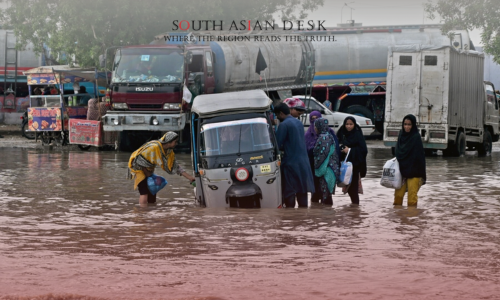
The Provincial Disaster Management Authority (PDMA) Sindh has been directed to coordinate with district administrations to implement precautionary measures. The PDMA has issued alerts to 15 districts, including Karachi, urging them to prepare for potential flash floods and infrastructure damage. Chief Minister Murad Ali Shah, briefed by the PDMA for flood warning in Karachi on Saturday, August 11, 2019, noted rising water levels at key barrages like Guddu, Sukkur, and Kotri, emphasizing the need for robust flood management strategies. Recent efforts include clearing stormwater drains, though infrastructure challenges persist, as seen in the severe flooding on August 19, 2025, which submerged roads and caused eight fatalities in Karachi.
Impact of Recent Floods
Pakistan has faced devastating monsoon rains since June 2025, with over 800 deaths reported nationwide. Karachi, a commercial hub, was partly submerged on August 19, 2025, disrupting traffic, power, and communication networks. The NDMA reported 29 deaths in Sindh since June, with significant damage to 2,328 km of roads and thousands of homes. The city’s ageing drainage system, compounded by illegal constructions, has exacerbated flooding, according to climate-resilient architecture expert Dr Yasmeen Lari.
Regional Context and Climate Challenges
The NDMA’s alert extends to other regions, including Punjab, Balochistan, and Khyber Pakhtunkhwa, where rivers like the Ravi, Sutlej, and Chenab are at high flood levels, partly due to water releases from Indian dams. In Punjab, over 210,000 villagers have been evacuated. TheNational Emergency Operations Centre (NEOC) forecasts two more monsoon spells before mid-September, with rainfall 50–60% above average, attributed to climate change. This underscores the need for regional cooperation and improved infrastructure to mitigate flood risks across South Asia.
Infrastructure and Response Efforts
Karachi’s rickety infrastructure, including blocked drains and inadequate sewerage systems, has been a recurring issue. On August 20, 2025, Mayor Murtaza Wahab reported that teams were actively clearing drains like the Nursery Drain and Gujjar Nullah to mitigate flooding. However, the scale of the challenge requires long-term investment in urban planning and drainage systems. The NDMA has dispatched relief supplies, including 46 kg ration bags to flood-affected areas and is collaborating with provincial governments to support displaced communities.
Ongoing Challenges
The combination of climate change, urbanisation, and poor river management has intensified flooding risks in Pakistan. A study by Hiroshima University’s Ayyoob Sharifi noted that intensified monsoon rains due to climate change are increasing urban flooding risks in cities like Karachi. The NDMA and PDMA are urging residents to avoid flooded roads, maintain distance from electrical hazards, and prepare emergency kits with essentials like water, food, and medicines.
Looking Ahead
Flood warning in Karachi is not new. As Karachi braces for another flood warning, the NDMA and PDMA’s proactive measures aim to minimise losses. However, addressing the root causes of urban flooding, including infrastructure deficits and climate vulnerabilities, remains critical for the city’s resilience.
Published in SouthAsianDesk, August 31st, 2025
Follow SouthAsianDesk on X, Instagram, and Facebook for insights on business and current affairs from across South Asia.