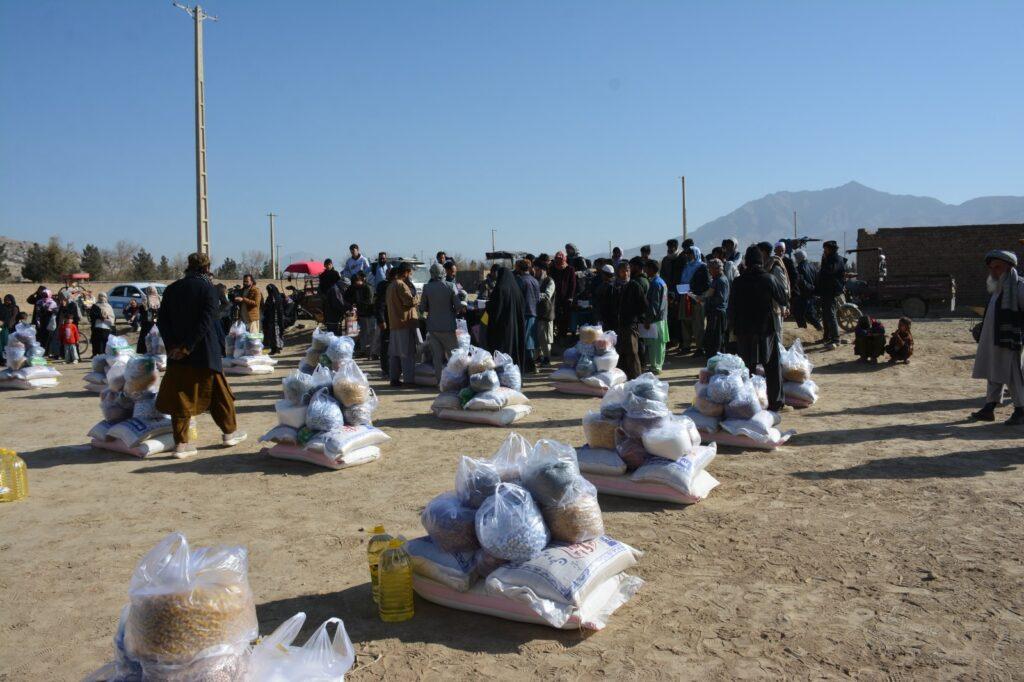
Afghanistan’s Ministry of Refugees and Repatriation began distributing food aid Kabul returnees and IDPs on Friday, November 21, 2025, targeting nearly 1,000 vulnerable families in Kabul. Donors handed over supplies to Acting Minister Maulvi Abdul Kabir. Initial handouts were distributed to 50 families that day. The aid addresses acute food insecurity affecting millions post-2021.
The Kabul aid distribution initiative for 2025 holds significance for South Asia. Afghanistan’s turmoil drives refugee flows into Pakistan and Iran, straining neighbours. Remittances and border trade falter amid hunger. Aid stabilises returns, eases regional migration pressures, and prevents spillover instability from the 3.5 million malnourished children projected for 2025.
Launch of Distribution in Kabul
The Ministry of Refugees and Repatriation kicked off the food aid for Kabul returnees and IDPs at a ceremony in Kabul. Afghan businessmen and affluent individuals donated the consignments. Acting Minister Maulvi Abdul Kabir received the packages, which include staple items for basic nutrition.
Each family receives one 50kg sack of flour, two 50kg sacks of rice, 10kg of ghee, 7kg of beans, 5kg of chickpeas, 4kg of macaroni, 10kg of sugar, 2kg of green tea, 1kg of black tea, salt, and assorted essentials. These rations meet the immediate caloric needs of households with five to seven members.
Distribution started with 50 families on November 21. Officials plan to reach the remaining 950 over the coming days. Sites focus on high-density returnee areas in Kabul’s outskirts. Ministry teams verify beneficiaries through registration lists.
Maulvi Abdul Kabir praised the donors. “This assistance arrives at a critical time for our returning brothers and sisters,” he said. “It will help them stand on their feet.” The ministry stressed the importance of fair allocation, prioritising women-headed households and those with children.
This returnees IDPs Afghanistan food aid push aligns with national priorities. The ministry coordinates with partners to expand coverage. No costs disclosed, but donations totalled enough for the full 1,000 families.
Broader Humanitarian Context
Afghanistan grapples with severe food shortages. The World Food Programme reports that 3.5 million children under five will face malnutrition in 2025, an increase of 500,000 from 2024. Economic collapse and drought exacerbate needs. According to UN estimates, over 23 million people require aid.
Returnees and IDPs bear the brunt. Since August 2021, 2.3 million Afghans have returned from Pakistan and Iran. UNHCR data shows 1.2 million refugee returns and 1.1 million IDP movements by mid-2025. Many settle in Kabul Province, contributing to the swelling of urban poverty.
The humanitarian aid effort in Kabul in November fills gaps. WFP reaches 9 million monthly with rations, but funding shortfalls loom. A June 2025 appeal seeks USD 650 million for six months, including USD 25 million for returnees. Without it, distributions halve.
Kabul aid distribution 2025 responds to these pressures. Ministry officials note 85% of returnees qualify as vulnerable. Rations bridge until livelihoods rebuild. Women collect 98% of WFP aid in person, despite restrictions, showing resilience.
International partners bolster local drives. UNHCR’s 2025 plan targets protection for returnees, IDPs, and Afghanistan food aid recipients. It funds shelter, skills training for 30,000, and basic services. A January 2025 EU pact allocates EUR 36 million for 2025-2027, benefiting hundreds of thousands across Afghanistan and its host countries.
Yet challenges persist. Insecurity hampers access to remote sites. UN Humanitarian Air Service, run by WFP, flies to 20+ spots, costing USD 10.5 million yearly. Border returns from Pakistan have hit 150 daily in recent weeks, according to the UNHCR.
Beneficiary Profiles and Impact
Families in the food aid Kabul returnees IDPs programme hail from diverse backgrounds. Many fled Taliban rule in 2021, endured camps in Pakistan, and returned amid evictions. A typical beneficiary: a father of four from Nangarhar, displaced twice, now in Kabul’s Chaman-e-Babrak camp.
Rations provide 2,100 calories per person per day for one month. Flour and rice account for 70% of the bulk. Ghee and beans add fats and proteins. Tea and sugar offer morale boosts in harsh winters.
The ministry verifies IDs to prevent duplicates. Priority goes to those with no income. Early recipients expressed relief. One mother said, “This food means my children will eat tonight.” Officials monitor for equitable spread.
This returnee’s IDPs’ Afghanistan food aid integrates with health drives. Partners screen for malnutrition during handouts. WFP notes that stalled projects risk undoing gains, such as half-finished vocational training for 10,000 women.
Economic data underscores urgency. 90% of households are debt-ridden, according to the UNDP. Food prices spiked 20% in 2025. Kabul’s influx strains markets, with 140,000 returns to the province since June.
Humanitarian aid to Kabul in November coincides with seasonal needs. Cold snaps displace more people from northern provinces. Ministry appeals for winter kits alongside food.
Government and Donor Coordination
The Ministry of Refugees and Repatriation leads the Kabul aid distribution 2025. It partners with de facto authorities for logistics. Donations channel through verified channels, avoiding aid diversion. Maulvi Abdul Kabir called for sustained support. “We thank donors and invite more to join,” he added. The ministry is committed to transparent tracking through regular reports.
UN agencies provide technical aid. UNHCR’s IDP policy, updated in 2023, provides guidance on protection. It ensures hosting communities get shares, reducing tensions. WFP supplies bulk grains when local stocks dip. Regional ties matter. Pakistan hosts 1.3 million Afghans; Iran hosts 3.5 million. Returns surged post-2023 deadlines. UNHCR counsellors at borders offer kits and provide three months’ WFP food upon entry.
Funding remains tight. WFP’s USD 25 million returnee assistance covers 100,000 people. EU’s EUR 36 million targets reintegration, including Kabul sites. The SHURA programme allocates land for 6,000 IDPs in Kabul and Herat. Civil society amplifies efforts. Local NGOs assess needs and distribute resources in tandem. A 2025 inter-agency plan eyes durable solutions, blending humanitarian and development aid.
Background: Afghanistan’s Displacement Waves
Afghanistan’s crisis spans decades. Following the 1979 Soviet invasion, 6 million people fled. Returns peaked in 2002 with the help of UNHCR. The Taliban era reversed gains, displacing 3.5 million IDPs by 2021. Since August 2021, a total of 4.5 million returns have been made. 2025 sees 500,000 from Pakistan alone. Economic woes, not security, drive most. Kabul absorbs 20%, per ministry data.
Prior aid focused on repatriation grants: USD 450 in cash and tents. Food followed. The WFP’s 2024 surge reached 15 million, but cuts loom for 2025. COVID-19 worsened food insecurity, hitting 70% of households. National frameworks integrate needs. ANPDF-II (2021-2025) embeds returnees in 10 priority programmes. Ministries like Rural Development allocate resources.
Urban integration lags. Kabul’s informal settlements house 200,000 IDPs. HLP rights falter; only 10% secure tenure. Projects like PD 305 decree aim to allocate land, but implementation is slow.
What’s Next: Scaling Aid Efforts
The ministry plans monthly distributions post-November. Targets rise to 5,000 families quarterly. Partners eye cash vouchers for markets. UNHCR plans to roll out vocational training for 30,000 by year-end. WFP seeks USD 650 million to avert cuts. EU funds unlock housing in priority areas.
Donors convene in December for 2026 appeals. Focus: resilience against shocks. Return monitoring continues at borders. As winter bites, food aid for Kabul returnees and IDPs remains a lifeline. Sustained flows could stem further outflows, fostering stability.
Published in SouthAsianDesk, November 22nd, 2025
Follow SouthAsianDesk on X, Instagram, and Facebook for insights on business and current affairs from across South Asia.