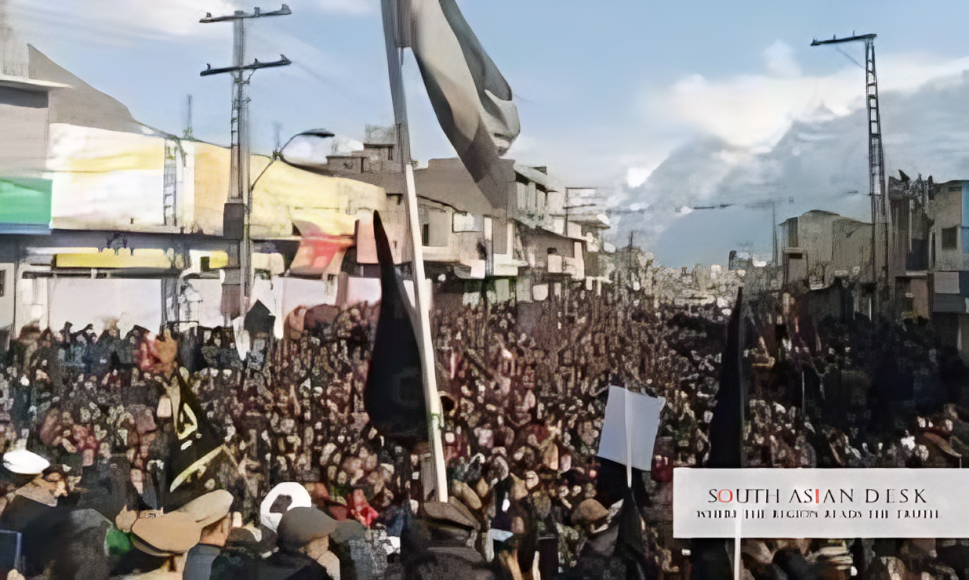
Thousands staged GB protests against Tarlai after a suicide bombing at Islamabad’s Imambargah Khadijatul Kubra killed 31 and injured 169. The attack targeted Shia worshippers on Friday.
Gilgit: Widespread GB protests against Tarlai erupted on Saturday, February 7, 2026, following a deadly suicide bombing in Islamabad. Demonstrators demanded justice for victims of the Shia mosque blast in Pakistan. Authorities vowed to pursue perpetrators.
The GB protests against Tarlai underscore deepening sectarian divides in Pakistan. Such incidents threaten regional stability in South Asia, where militant groups exploit ethnic and religious fault lines to fuel unrest.
Gilgit Baltistan Protests Intensify
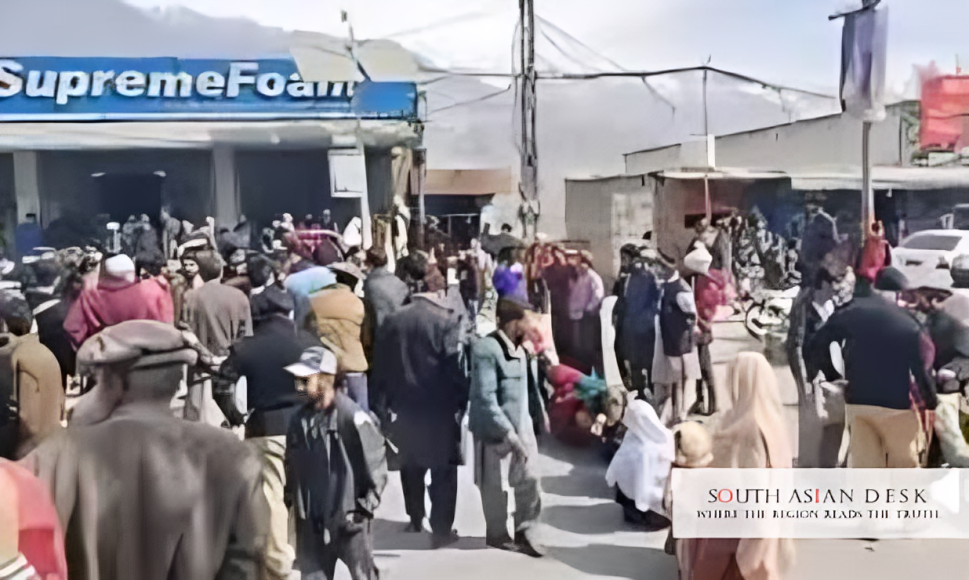
GB protests against Tarlai began early Saturday in Skardu. A shutterdown strike suspended trade for hours. Called by Anjuman-i-Imamia Baltistan, the action halted shops and malls.
Thousands joined sit-ins at Yadgar-i-Shuhada in Skardu. Similar demonstrations occurred in Kharmang, Shigar, and Ghanche. Protesters chanted against terrorists and sought better security.
In Gilgit, crowds gathered at Shaheed Zamir Abbas Chowk. The Karakoram Highway faced blockades at Danyor, disrupting travel for hours. These Gilgit Baltistan protests reflected anger over local victims.
Four from Gilgit-Baltistan died in the suicide bombing in Islamabad, including Inspector Bahadur Ali from Ghanche. His funeral in Skardu drew mourners. Several injured from the region remain in hospitals.
Community leaders urged unity. The GB protests against Tarlai highlighted vulnerabilities of citizens traveling to the capital. Officials noted heightened tensions in the area.
Details of Suicide Bombing in Islamabad
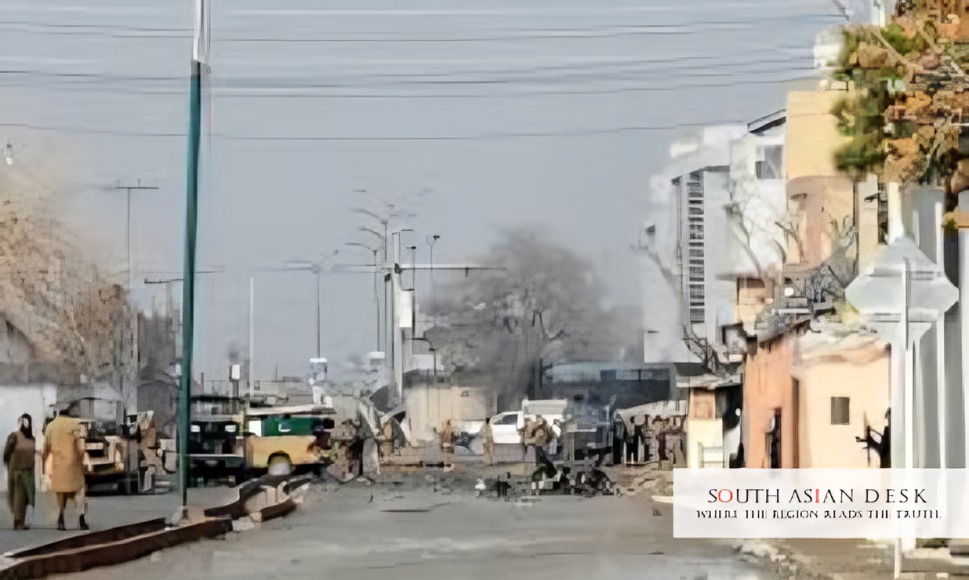
The suicide bombing in Islamabad struck Imambargah Khadijatul Kubra in Tarlai Kalan on Friday, February 6, 2026. The blast killed 31 and injured 169 during prayers.
Police reported the bomber detonated at the gates after gunfire with guards. Debris damaged the entrance. Islamic State claimed responsibility via Telegram, releasing a bomber’s photo.
Casualties included civilians and security personnel. Hospitals treated the wounded, with some critical. The Shia mosque blast in Pakistan marked a major incident in the capital.
Investigations revealed the attacker likely had Afghan ties. Handlers were identified, per official briefings. Evidence collection continued at the sealed site.
Official Response to GB Protests Against Tarlai
Prime Minister Shehbaz Sharif condemned the suicide bombing in Islamabad as a cowardly act. He ordered a probe and medical support. “Those responsible will face justice,” Sharif stated.
President Asif Ali Zardari called the Shia mosque blast in Pakistan a crime against humanity. He offered condolences and called for solidarity.
Foreign Minister Ishaq Dar termed it a heinous violation of Islamic principles. He urged accountability for attackers.
UN Secretary-General António Guterres condemned the attack strongly. He reiterated UN support for Pakistan against terrorism.
China expressed shock and condemned the incident. A foreign ministry statement affirmed backing for Pakistan’s security efforts.
Pakistan Ulema Council chief Tahir Mahmood Ashrafi denounced the blast. He visited victims and rejected extremism.
The government boosted mosque security nationwide. Initiatives like Paigham-e-Aman aim to promote interfaith harmony.
Background
Pakistan has faced sectarian violence for years. Shia sites endure frequent attacks from groups like Islamic State-Khorasan.
The suicide bombing in Islamabad follows patterns seen in Quetta and Peshawar. Militants target soft spots amid border tensions.
Government records show over 100 terrorism cases in 2025, with hundreds dead. The Shia mosque blast in Pakistan fits this trend.
Analysts link surges to Afghan safe havens. Pakistan conducted operations against border threats last year.
The GB protests against Tarlai tie into broader unrest. Victims from remote areas amplify regional grievances.
What’s Next
Probes may yield arrests soon. Increased patrols at religious venues could persist. The GB protests against Tarlai might influence policy on militant networks.
Published in SouthAsianDesk, February 8th, 2026
Follow SouthAsianDesk on X, Instagram and Facebook for insights on business and current affairs from across South Asia.