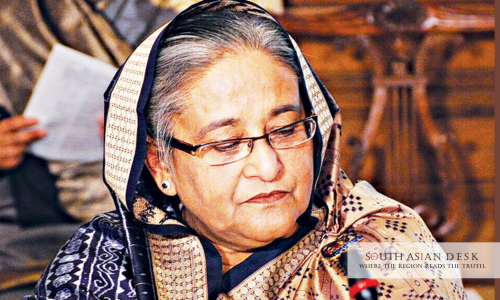
Hasina denies ICT accountability for last year’s deadly uprising. She labelled the International Crimes Tribunal a “judicial mockery” in a November 14 interview. The tribunal set verdict for November 17. Charges include crimes against humanity. Over 1,400 died in the protests. Security forces face murder accusations.
The case reverberates across South Asia. It highlights accountability for leaders in volatile democracies. Bangladesh’s unrest strains ties with India, Hasina’s host. Regional powers watch for spillover effects on stability and elections. The outcome could inspire or deter similar probes in neighbouring states.
Hasina ICT Verdict Bangladesh Looms
Dhaka transformed into a fortress on November 13. The International Crimes Tribunal-1 announced the date amid tight security. Police, Border Guard Bangladesh and army units patrolled key sites. Awami League enforced a lockdown to protest the proceedings. The banned party decried the trial as biased.
Prosecutors seek death penalty for Hasina and two aides. Chief Prosecutor Mohammad Tajul Islam called for exemplary punishment. He argued the response to July 2024 protests constituted systematic attacks. Evidence includes leaked audios and witness testimonies. The bench accepted charges on October 7.
Hasina ICT verdict Bangladesh fuels division. Awami League plans four-day protests from November 14. Demonstrations target the interim government of Muhammad Yunus. Party leaders vow mass campaigns and shutdowns. Police arrested 44 Awami League members since November 11. Raids uncovered crude bombs in Geneva Camp.
State Defence Counsel Amir Hossain expressed hope for acquittal. He noted challenges from absent accused but praised prosecution cooperation. The tribunal conducted proceedings in absentia. Hasina remains in India. Extradition requests persist. Yunus administration eyes 2026 elections amid the turmoil.
Violence recalled 2024’s bloody student protests. Arson and bomb attacks resurfaced. Narayanganj saw 29 arrests. Recovered explosives linked to Awami League affiliates. Analysts warn of renewed extremism. Dhaka streets emptied under lockdown. Internet restrictions loomed.
Sheikh Hasina Crimes Trial Intensifies
Sheikh Hasina crimes trial centres on the July uprising. Protests began over job quotas. They escalated into nationwide revolt. Hasina’s forces imposed curfews and blackouts. Clashes left hundreds dead. She fled on August 5, 2024.
Prosecution presented 50 witnesses. Testimonies detailed street shootings. Ballistics matched live rounds. Leaked July 18 audio captured Hasina authorising lethal force. “Shoot directly,” she instructed. Tribunal admitted the recordings. Forensic reports confirmed excessive violence.
Hasina rejects all claims. In her South China Morning Post interview, she described protests as “mob violence” warranting response. She denied directing killings. “I never issued any order to fire on unarmed civilians,” she stated earlier to BBC. Hasina accused rivals of provocation.
Sheikh Hasina crimes trial extends to her 15-year rule. This case joins probes into disappearances and the 2013 Hefazat-e-Islam crackdown. Over 600 cases link to her tenure. Co-accused include ex-Home Minister Asaduzzaman Khan Kamal and former IGP Abdullah Al-Mamun. Mamun pleaded guilty from custody.
Hasina slammed the tribunal as controlled by opponents. “It aims to nullify Awami League,” she said. She decried the party ban under anti-terror laws. Hasina vowed revival post-elections. Her media access from India irks Dhaka. Yunus conveyed concerns to New Delhi.
UN Human Rights Watch flagged fair trial risks. Amnesty International echoed worries. Bangladesh insists compliance with 2010 Act. The law targets 1971 war crimes too. Verdict could formalise Awami League’s dissolution.
Protest Dynamics
Awami League’s programme spans November 14-17. Rallies demand Yunus resignation and tribunal disbandment. Barrister Mahfuz Alam called for nationwide action. Security deployments swelled. BGB guarded High Court. Army patrols hit Dhaka suburbs.
Arrests targeted leaders in Narayanganj and Dhaka. Police recovered petrol bombs near the capital. Geneva Camp raid exposed a cocktail factory. Awami League denied involvement. Party spokespersons blamed fabricated charges.
Background of ICT Accountability
Uprising roots trace to quota system grievances. Students mobilised July 1, 2024. Government labelled them terrorists. RAB raids killed leaders. Mass graves emerged post-ouster. Interim probes uncovered secret jails.
Hasina’s exile in New Delhi strains Indo-Bangla ties. India granted refuge despite extradition bids. Yunus seeks her return. Bilateral trade holds but diplomacy cools. SAARC forums sideline the issue.
Global eyes track the case. UN committees may review appeals. Precedents from Rwanda tribunals influence. Bangladesh positions it as justice for victims.
What’s Next
November 17 verdict delivery occurs under heavy guard. Appeals head to Appellate Division. Hasina’s UK lawyers push UN intervention. Protests risk escalation. Yunus addresses nation November 14.
Tribunal reforms aim for transparency. Elections by mid-2026 test stability. Regional aid supports reconciliation. India monitors for refugee flows.
Hasina denies ICT accountability as Bangladesh teeters on edge. The gavel’s fall on November 17 could heal wounds or ignite fresh strife, shaping South Asia’s democratic path.
Published in SouthAsianDesk, November 15th, 2025
Follow SouthAsianDesk on X, Instagram, and Facebook for insights on business and current affairs from across South Asia.