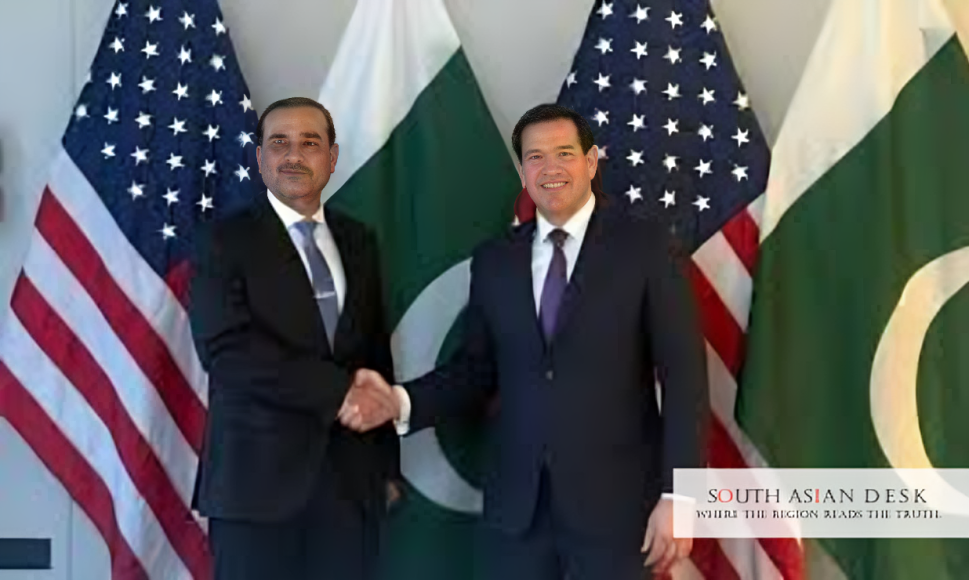
ISLAMABAD: Pakistan clinched an IMF agreement no tax hike 2025 on Monday after intensive talks in the capital, where Finance Minister Muhammad Aurangzeb detailed plans to hit revenue targets without new burdens on citizens. The discussions, led by IMF mission chief Iva Petrova, wrapped up without a staff-level pact but signalled progress on $8.4 billion in lending programmes. This move addresses economic pressures from recent floods while upholding fiscal commitments. Why now? With first-quarter GDP data pending, Islamabad seeks flexibility to avoid immediate measures that could fuel inflation.
Why This Matters in South Asia
Pakistan’s fiscal stability ripples across South Asia, where interconnected trade routes and remittance flows underpin regional growth. An IMF agreement no tax hike 2025 averts potential inflationary spikes that could disrupt supply chains from Karachi ports to Delhi markets. It bolsters investor confidence in a region grappling with climate vulnerabilities, ensuring Pakistan contributes to collective resilience rather than becoming a drag on subcontinental progress. Simple math: stable PKR exchange rates mean lower import costs for neighbours like India and Bangladesh, fostering broader economic ties.
IMF Talks Conclude Amid Key Hurdles
The IMF team arrived in Islamabad last week for reviews of two programmes totalling $8.4 billion, focusing on macroeconomic targets and structural adjustments. Talks centred on verified flood loss estimates, estimated at billions in PKR, and provincial absorption of recovery costs. No end-of-mission statement emerged, but official channels described discussions as smooth.
Prime Minister Shehbaz Sharif hosted both sides, referencing his prior engagements with IMF Managing Director Kristalina Georgieva on flood-related leniency. A select IMF group met Aurangzeb on Friday, August 22, 2025. Sources confirm last-mile issues persist, potentially resolved at upcoming World Bank-IMF meetings in Washington.
This IMF agreement no tax hike 2025 stems from Islamabad’s push for breathing room. Provinces face strict cash surplus mandates for the fiscal year: Punjab PKR 740 billion, Sindh PKR 370 billion, Khyber Pakhtunkhwa PKR 220 billion, and Balochistan PKR 185 billion. These transfers support federal revenue without central bailouts, a core IMF demand.
Flood damages, still under assessment, complicate targets. Verified figures must reach the Fund soon, with provinces footing bills from own coffers. Failure risks tranche delays, but current momentum suggests compliance.
Aurangzeb IMF Revenue Targets Without Hikes
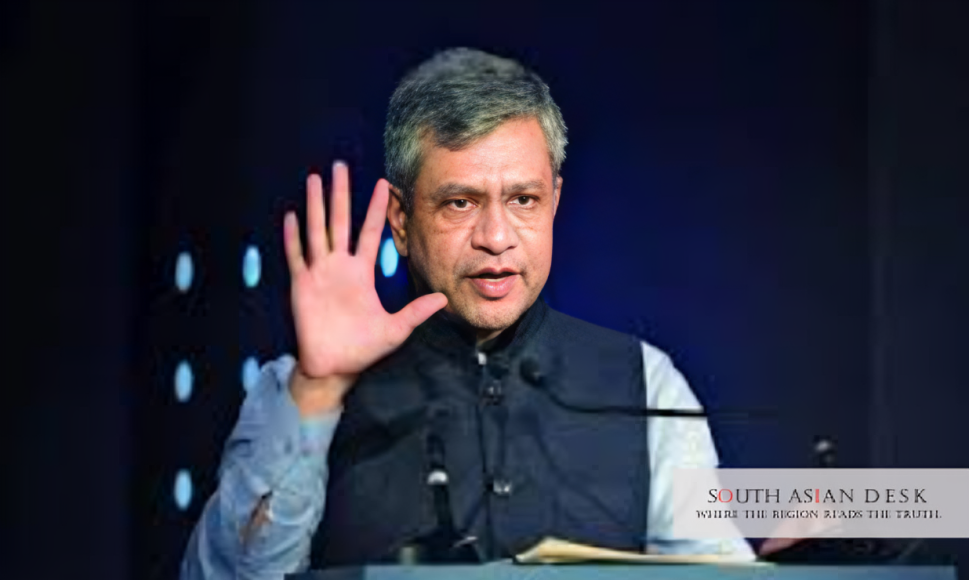
Finance Minister Muhammad Aurangzeb took centre stage, affirming Aurangzeb IMF revenue targets without hikes as viable through reforms. Speaking to reporters at 4:35 PM on August 25, 2025, he stated, “The government will not impose any additional taxes to cover the revenue shortfall. We remain committed to raising the tax-to-GDP ratio to 11 per cent this fiscal year.”
This aligns with broader strategies. Aurangzeb highlighted a PKR 2 trillion revenue delta achieved earlier, targeting 13-13.5 per cent tax-to-GDP in coming years via digitisation and enforcement. “Talks with the IMF are progressing positively,” he added. “Discussions have been constructive, and we are not immediately taking additional tax measures.”
Data backs this. Federal revenue collection hit shortfalls of PKR 1.2 trillion last year, about 1 per cent of GDP, but first-half FY2025 shows improvement. Court cases delaying PKR hundreds of billions in collections could resolve soon, boosting inflows. Aurangzeb IMF revenue targets without hikes rely on base broadening in services, wholesale, retail, and agriculture sectors.
The minister’s delegation, including Finance Secretary, State Bank of Pakistan Governor, and Federal Board of Revenue Chairman, prepares for US travel. They aim to lock in flexibilities amid global uncertainties.
Provincial Role in Fiscal Balance
Provinces hold the line on surpluses, crucial for the IMF agreement no tax hike 2025. Punjab leads with PKR 740 billion, funding federal needs while handling flood repairs. Sindh’s PKR 370 billion target tests urban revenue streams post-deluges. Khyber Pakhtunkhwa and Balochistan must deliver PKR 220 billion and PKR 185 billion respectively, amid security and arid challenges.
These commitments prevent federal deficits from ballooning. Last year’s primary surplus of 2.4 per cent GDP, or PKR 2.7 trillion, marks the second straight year. Interest savings topped PKR 850 billion, with debt stock growth at 13 per cent year-on-year, below five-year averages. Early repayments of PKR 2,600 billion underscore discipline.
Governance Reforms Gain Traction
Beyond revenue, the IMF presses structural shifts. Islamabad notified draft amendments to the Sharing of Assets of Civil Servants Rules, 2023. Grade 17 and above officials must file electronic asset and income returns for public scrutiny via the Federal Board of Revenue. This covers federal, provincial, local levels, and state-owned enterprises.
Exemptions apply to serving armed forces officers and those under the National Accountability Ordinance, 1999. Banks handle secure declarations, with abridged versions shared publicly. The Federal Board of Revenue seeks comments within seven days to hit IMF deadlines.
Aurangzeb champions this as key to transparency. Relocating the Tax Policy Office from Federal Board of Revenue to Finance Division institutionalises policy-making. Consultations with business forums shaped the FY2025-26 budget, integrating feedback early.
These steps address IMF benchmarks on anti-corruption and efficiency. Power sector circular debt resolution of PKR 1,225 billion, unlocking PKR 660 billion in guarantees, exemplifies collective effort. Aurangzeb noted, “This resolution marks a decisive step toward restoring fiscal discipline and investor confidence.”
Background: Pakistan’s IMF Journey
Pakistan’s ties with the IMF date to 1958, but recent programmes tackle acute vulnerabilities. The current $7 billion Extended Fund Facility and $1.3 billion Resilience and Sustainability Facility build on a 2023 Stand-By Arrangement. May 2025’s first review approved disbursements, praising progress despite softened growth.
Inflation eased from peaks, policy rates fell, and foreign reserves rose. Yet floods in FY2025 halved growth projections to 2.6 per cent. Non-tax revenue stabilises at PKR 5,118.4 billion by FY2028, with petroleum levy hikes gradual.
Aurangzeb IMF revenue targets without hikes fit this arc. Medium-term strategy eyes 13 per cent tax-to-GDP via tech-driven administration. SME financing targets 17 per cent of private credit by 2028, with government guarantees covering 50 per cent losses.
What’s Next for Fiscal Path
Aurangzeb departs for Washington this week, eyeing side talks at annual meetings. First-quarter GDP data, due late December 2025, could trigger reviews. Measures, if needed, start January 1, 2026, per biannual cycles.
Provinces submit flood estimates promptly. Asset rules finalise post-comments. Eurobond payments loom in April 2026 at $1.3 billion, testing reserves. Success hinges on execution. Aurangzeb stresses, “The real challenge is optimal allocation and prioritisation of funds.”
The IMF agreement no tax hike 2025 offers a pivot toward inclusive growth, shielding households while chasing sustainability.
Published in SouthAsianDesk, October 9th, 2025
Follow SouthAsianDesk on X, Instagram, and Facebook for insights on business and current affairs from across South Asia.