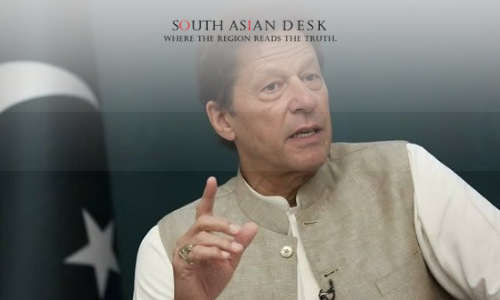
Imran Khan, the founder of Pakistan Tehreek-e-Insaf (PTI), has been granted bail by the Supreme Court of Pakistan in eight cases linked to the May 9, 2023, riots, offering a significant reprieve in his ongoing legal struggles. The decision, announced on August 21, 2025, follows a contentious legal battle over allegations of inciting violence during protests that erupted after Khan’s arrest in Islamabad. Despite this relief, his immediate release remains uncertain due to other pending convictions.
Supreme Court’s Ruling on May 9 Cases
The Supreme Court, led by Chief Justice Yahya Afridi and comprising Justices Hasan Azhar Rizvi and Shafi Siddiqui, approved bail for Imran Khan in eight cases tied to the violent protests that shook Pakistan on May 9, 2023. These protests, sparked by Khan’s arrest on corruption charges, saw PTI supporters allegedly attacking government buildings and military installations, including the Corps Commander’s residence in Lahore. During the hearing, Chief Justice Afridi questioned the prosecution’s evidence, asking, “Apart from oral and electronic evidence, what else do you have against the accused?” The court emphasized that the evaluation of evidence should occur during the trial, not at the bail stage, to avoid prejudicing the legal process.
The prosecution, represented by Special Prosecutor Zulfiqar Naqvi, argued that Khan played a central role in the riots, citing witness statements, photogrammetric analysis, and WhatsApp messages. However, Khan’s counsel, Salman Safdar, countered that his client was not named in five of the eight cases and had been in custody during the unrest, challenging the validity of the allegations. The court’s decision to grant bail and order Khan’s release in these cases marks a pivotal moment, though other legal battles continue to cloud his prospects for freedom.
Legal Context and Challenges for PTI
The May 9 riots, triggered by Khan’s arrest in the Al-Qadir Trust corruption case, resulted in widespread chaos, with PTI supporters accused of damaging public property and military facilities. The government’s response was swift, with nearly 2,000 arrests and charges under anti-terrorism laws, some of which were transferred to military courts. Khan, who has consistently denied inciting violence, faced multiple legal challenges following his ouster as prime minister in April 2022. The Supreme Court’s ruling overturns an earlier decision by the Lahore High Court, which had rejected Khan’s bail pleas in June 2024, citing damages estimated at Rs40 million to police equipment and Rs520 million to Jinnah House in Lahore.
The bail hearing revealed procedural concerns, with Justice Rizvi questioning the adequacy of the two-month bail period Khan received post-incident and whether it sufficed for investigation. The prosecution’s push for polygraph and other tests, which Khan did not undergo despite court approval, was noted, but Chief Justice Afridi stressed that such matters should be resolved in trial courts. The decision has been hailed by PTI as a “victory,” with posts on X reflecting optimism among supporters, though the party remains cautious given Khan’s ongoing sentences in a state gifts case and a £190 million corruption case.
Broader Political Implications
The Supreme Court’s ruling comes amid heightened political tensions in Pakistan, with PTI facing significant pressure following the conviction of several leaders in May 9-related cases. Khan’s nomination of Mahmood Khan Achakzai as Opposition Leader in the National Assembly and Azam Khan Swati for the Senate signals efforts to reorganise the party’s leadership amid legal setbacks. The bail decision could bolster PTI’s morale, especially after the anti-terrorism court’s recent sentencing of senior leaders like Shah Mahmood Qureshi and Yasmeen Rashid.
Ongoing Legal and Political Struggles
Despite the bail, Imran Khan’s release is not imminent due to convictions in other cases, including a 14-year sentence in the Al-Qadir Trust case and a separate sentence in the £190 million case. These legal battles, combined with PTI’s claims of politically motivated charges, underscore the complex interplay between Pakistan’s judiciary, military, and political spheres. The Supreme Court’s cautious approach, avoiding commentary on the merits of the cases, reflects a commitment to preserving the integrity of ongoing trials.
As Pakistan navigates this turbulent period, the bail granted to Imran Khan in the eight May 9 cases offers a glimmer of hope for PTI supporters, but the path ahead remains fraught with challenges. The nation watches closely as Khan’s legal and political saga continues to unfold.
Follow SouthAsianDesk on X, Instagram and Facebook for insights on business and current affairs from across South Asia.