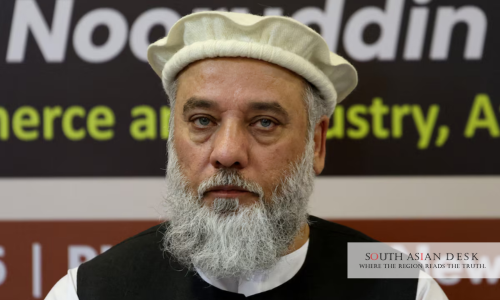
India and Afghanistan launched India Afghanistan air cargo services on two routes today. The corridors connect Kabul to Delhi and Amritsar. Officials activated them during talks in New Delhi. Cargo flights start soon. This boosts trade between the nations. The move follows a visit by Afghanistan’s Trade Minister. It addresses border issues with Pakistan.
Activation Signals India Afghanistan Trade Boost
The activation of India Afghanistan air cargo services marks a key step in bilateral relations. It revives direct connectivity stalled since 2021. Trade between India and Afghanistan stood at over USD 1 billion last year. Officials aim to exceed the pre-2021 level of USD 1.8 billion. This corridor eases exports of Afghan fruits and nuts. It also speeds Indian pharmaceuticals and machinery into Kabul.
Anand Prakash, Joint Secretary in India’s Ministry of External Affairs, announced the launch. “I am pleased to announce that the air freight corridor on the Kabul-Delhi sector and Kabul-Amritsar routes have been activated and cargo flights on these sectors will commence very soon,” Prakash said.
Afghanistan’s Trade Minister Al-Haj Nooruddin Azizi visited New Delhi for five days. His trip focused on expanding trade ties. Azizi urged India to open cargo hubs. Kabul needs grains, medicines, and industrial goods. Pakistan border closures after clashes prompted this shift.
Kabul Delhi Air Freight Corridor Details
The Kabul Delhi air freight corridor forms the backbone of these India Afghanistan air cargo services. It links Kabul International Airport to Indira Gandhi International Airport in Delhi. A secondary route connects to Amritsar’s Sri Guru Ram Dass Jee International Airport. These paths cut transit times. Goods now move faster than via land routes through Pakistan or Iran.
Officials expect the first flights within weeks. Initial cargo includes perishable items like pomegranates and almonds from Afghanistan. India will send textiles and machinery in return. The corridor builds on a 2017 pilot that carried over 2,000 tonnes of Afghan exports worth tens of millions of dollars.
Data from India’s Ministry of External Affairs shows bilateral trade dipped post-2021. Exports from Afghanistan to India fell 40 per cent. Air routes could reverse this trend. The joint working group on trade, commerce, and investment reactivates next month. It will oversee implementation.
Azizi met Indian officials on Thursday. They agreed to appoint commercial attachés in each capital. These roles support daily trade operations. “Both sides will soon post trade attachés to oversee commercial cooperation,” Prakash confirmed.
Afghanistan India Chabahar Port Trade Integration
India Afghanistan air cargo services pair with sea routes via Chabahar Port. This Iranian facility offers an alternative to Pakistani paths. Discussions covered expanding shipping lines through Chabahar. Afghan officials seek streamlined visas and improved port processes.
Chabahar handles bulk cargo like wheat and machinery. Air freight complements it for time-sensitive goods. India invested USD 500 million in the port since 2016. It now processes 2.5 million tonnes annually. Trade via Chabahar could double Afghan exports to India by 2026.
Prakash highlighted payment channels. Afghan banks lost SWIFT access in 2021. Talks aim to restore them. This unlocks frozen funds worth USD 100 million. Officials also discussed joint investments in logistics.
The corridors address regional challenges. Pakistan-Afghanistan border clashes closed key passes last month. Over 500 trucks waited at Torkham. Air options bypass these delays. They stabilise supply chains in South Asia.
Historical Context of Bilateral Connectivity
India and Afghanistan shared strong trade links before 2021. Annual volumes hit USD 1.8 billion. Key items included Afghan dry fruits and Indian rice. The 2017 air freight corridor flew weekly from Kabul to Delhi. It transported 1,500 tonnes in six months.
Post-2021, routes halted. Overland trade via Wagah-Attari dropped 60 per cent. India sent humanitarian aid via Pakistan. Now, direct air links resume. This aligns with India’s neighbourhood first policy.
Afghanistan exports USD 800 million in agriculture yearly. India imports 30 per cent of its almonds from there. Air cargo reduces spoilage. Flight times drop to four hours versus 10 days by road.
Economic Impacts in South Asia
These India Afghanistan air cargo services matter for South Asia. They foster stability amid tensions. Enhanced trade cuts reliance on volatile borders. It supports 500,000 Afghan farmers. India gains secure supplies of rare earths and saffron.
The move boosts regional GDP. Projections show a 15 per cent trade rise in 2026. Chabahar integration links Central Asia to Indian Ocean trade. This counters China’s Belt and Road influence.
Experts note logistics costs fall 20 per cent with air routes. Afghan GDP could grow 2 per cent from exports. India’s aviation sector adds 50 new cargo flights monthly.
Challenges and Resolutions
Restoring payment systems tops the agenda. SWIFT reconnection needs international nods. Officials plan alternative channels via India International Bank. Visa processes simplify for traders. India offers 1,000 visas yearly.
Security remains key. Routes avoid conflict zones. Insurance covers cargo worth USD 50 million per flight.
Background
Bilateral ties date to 1950. India built dams and roads in Afghanistan. Trade peaked in 2019 at USD 1.5 billion. Taliban takeover disrupted flows. Recent visits signal thaw. Foreign Minister Mawlawi Amir Khan Muttaqi came in October 2025.
What’s Next
India Afghanistan air cargo services launch trials next week. Full operations follow in December. The joint group meets in January 2026. Chabahar shipments increase by 30 per cent. Attachés deploy by March.
These steps position India Afghanistan trade boost as a model for regional cooperation. Cargo flights promise steady flows for years.
Published in SouthAsianDesk, November 21st, 2025
Follow SouthAsianDesk on X, Instagram, and Facebook for insights on business and current affairs from across South Asia.