India is set to relax its defence FDI rules to encourage greater foreign participation in domestic defence companies, according to two government sources speaking on 16 January 2026. The planned relaxation of foreign investment targets the removal of key hurdles to attract more capital and technology into the sector.
The changes aim to strengthen India’s defence manufacturing boost and support self-reliance goals. In the South Asian context, enhanced FDI inflows could accelerate modernisation, create jobs, and improve regional defence capabilities while addressing import dependence amid ongoing security dynamics.
FDI Cap Defence Sector Reforms Planned
The Indian defence FDI rules adjustments focus on simplifying processes for investments beyond the current 74 percent automatic route cap. Sources indicated that the government intends to drop the condition requiring access to ‘modern technology’ for approvals above 74 percent.
Under the existing policy outlined in Press Note 4 (2020 Series), FDI up to 74 percent is permitted automatically for new defence industrial licences, while higher stakes require a government nod linked to technology transfer. The proposed relaxation of foreign investment rules would make higher investments easier.
This follows earlier liberalisation. FDI in defence has shown growth, with inflows rising significantly since the 2020 reforms. By financial year 2024-25, FDI reached USD 11.59 million, marking a 196.83 percent increase from the liberalisation baseline.
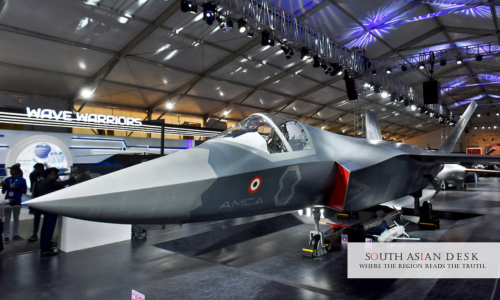
Defence production hit INR 1.50 lakh crore in 2024-25, compared to INR 0.46 lakh crore in 2014-15. Exports stood at INR 0.21 lakh crore. The defence manufacturing boost from these figures underscores the impact of prior changes, with further easing expected to amplify results.
Foreign Investment Relaxation and Sector Impact
The easing of India’s defence FDI rules responds to industry feedback during consultations by the Department for Promotion of Industry and Internal Trade. Stakeholders sought reduced regulatory burdens to compete globally, particularly against established manufacturing hubs.
Major foreign firms could gain easier access to majority stakes or deeper partnerships with Indian entities such as Hindustan Aeronautics Limited. This relaxation of foreign investment aligns with global supply chain diversification trends.
In South Asia, such reforms hold strategic weight. India’s defence sector advancements influence neighbours through technology sharing potential and economic ties. Security vetting will continue to protect national interests.
Government data reflects steady FDI momentum across sectors. Total FDI equity inflows reached USD 35.18 billion in the first half of the financial year 2026. Defence remains a priority for Atmanirbhar Bharat, with initiatives supporting startups and SMEs.
Over 1,000 entities engage in Innovations for Defence Excellence, securing contracts worth INR 1,000 crore. The defence manufacturing boost extends to corridors in Uttar Pradesh and Tamil Nadu.
Background
India opened defence to private participation in 2001 with an initial 26 percent FDI. Limits rose to 49 percent automatic in 2016, then 74 percent in 2020. The government route allows up to 100 percent for modern technology cases.
These steps address modernisation needs. The 2025-26 defence budget totalled USD 75.36 billion, with emphasis on indigenous procurement. Seventy-five percent of capital expenditure targets local firms.
Partnerships with the US, France, and Israel have introduced advanced systems, such as the Rafale aircraft. The FDI cap defence sector evolution supports these collaborations.
Over 200 private licences have been issued since 2014, highlighting growing private involvement.
What’s Next
The timeline for finalising the changes to India’s defence FDI rules remains unspecified. The defence ministry may propose budget increases for 2026-27 to align with reforms. Industry consultations will shape the outcome.
Successful implementation could yield new partnerships by late 2026. Official notifications from relevant ministries will confirm details.
The relaxation of India’s defence FDI rules promises continued growth in defence manufacturing, enhancing India’s role in global defence production and regional stability.
Published in SouthAsianDesk, January 16th, 2026
Follow SouthAsianDesk on X, Instagram and Facebook for insights on business and current affairs from across South Asia.