New Delhi, 17 January 2026 – India has rejected speculation that it plans to exit the Chabahar port development in Iran due to renewed US sanctions. On 16 January 2026, the Ministry of External Affairs (MEA) stated that no decision has been taken to withdraw, with active discussions underway with the United States to implement and potentially extend the current six-month conditional chabahar sanctions waiver.
The clarification addresses recent media reports suggesting India might abandon the project following threats of a 25% tariff by the US administration on countries engaging with Iran. Officials emphasise that chabahar port india sanctions challenges do not equate to an india withdrawal chabahar, as the port remains a priority for trade access to Afghanistan and Central Asia.
India Denies Chabahar Exit Claims
During the weekly media briefing on Friday, 16 January 2026, MEA spokesperson Randhir Jaiswal directly addressed queries on Chabahar. “As you are aware, on 28 October 2025, the US Department of Treasury had issued a letter outlining the guidance on the conditional sanctions waiver, which is valid till 26 April 2026. We remain engaged with the US side in working out this arrangement,” Jaiswal said.
This statement counters claims, including those in The Economic Times, that India had submitted plans to “wind down” operations to secure the temporary waiver, leading to resignations of government directors from India Ports Global Limited (IPGL) to avoid personal sanctions liability. Reports also mentioned the shutdown of the IPGL website and potential loss of USD 120 million invested in the project.
Government sources, however, told NDTV that “exit from Chabahar is not an option for India,” and negotiations aim for a “middle path” to safeguard interests while complying with US conditions. The talks are described as complex, with India demonstrating adherence to waiver guidelines without abandoning the long-term commitment.
Opposition parties criticised the government, with Congress leaders accusing it of succumbing to US pressure. Such domestic debate underscores the sensitivity of the chabahar port india sanctions issue.
Chabahar Sanctions Waiver Details
The current chabahar sanctions waiver stems from a US Treasury letter dated 28 October 2025, granting India a conditional six-month exemption following the revocation of an earlier waiver on 29 September 2025. This allows continued operations at the Shahid Beheshti Terminal through IPGL, subject to strict limits on new investments and expansions.
The waiver was issued after India provided details on its activities, amid broader US sanctions on Iran and threats of additional tariffs. Without renewal, Indian entities could face secondary sanctions affecting financial and trade transactions.
Analysts highlight that the 25% tariff threat complicates Indo-US relations, potentially impacting broader economic ties beyond Chabahar.
Strategic Importance of Chabahar
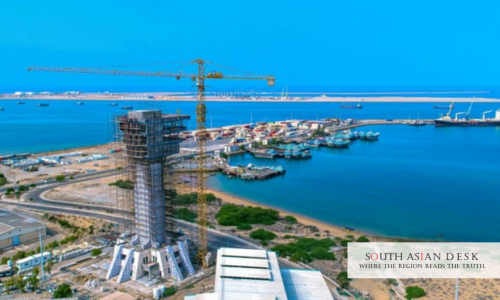
Chabahar holds significant value for India in South Asia’s geopolitical landscape. Under a 10-year agreement signed in 2024, India committed to equipping and operating the terminal, with investments including USD 120 million direct funding and a USD 250 million line of credit, totalling around USD 370 million.
The port facilitates the International North-South Transport Corridor, providing a shorter route for trade with Central Asia, Russia, and Europe. It has enabled humanitarian aid deliveries to Afghanistan, including wheat and medical supplies, bypassing Pakistan’s land routes.
In the regional context, Chabahar serves as a counter to Pakistan’s Gwadar port under China’s Belt and Road Initiative. An india withdrawal chabahar could weaken New Delhi’s strategic position and influence trade flows in South Asia.
Cargo handling at the port has shown steady growth, with infrastructure development ongoing despite sanctions constraints.
Background
India’s engagement with Chabahar began with a 2015 memorandum of understanding, evolving into the 2024 long-term contract during a period of US waivers. The project gained momentum after a 2018 exemption for Afghan reconstruction efforts.
The US reimposed sanctions in September 2025, prompting the conditional waiver as a temporary measure. The current arrangement provides breathing room until April 2026 for further diplomacy.
What’s Next
With the chabahar sanctions waiver set to expire on 26 April 2026, India intends to intensify talks with the US for an extension or alternative framework. Sources suggest exploring options like establishing a sanctions-resistant entity for operations.
Success in these negotiations will determine the project’s future, balancing India-Iran ties with US relations. Officials maintain that India will pursue all avenues to sustain involvement under the chabahar port india sanctions framework.
In summary, despite pressures, India denies any intention to exit and remains committed to Chabahar through ongoing diplomatic efforts.
Published in SouthAsianDesk, January 17th, 2026
Follow SouthAsianDesk on X, Instagram and Facebook for insights on business and current affairs from across South Asia.