New Delhi, 18 December 2025 – India eases visa Chinese professionals through significant reforms to its business visa system. The changes simplify processes for foreign engineers and technicians needed in manufacturing.
The Department for Promotion of Industry and Internal Trade (DPIIT) launched a digital sponsorship letter generation module last month under the e-Production Investment Visa (e-B-4 Visa). Companies can now generate sponsorship letters online. Visa forms stand simplified. Additional recommendations from ministries no longer apply.
These steps allow quicker entry for professionals involved in factory installation, commissioning, maintenance, and production. Indian firms depend heavily on Chinese professionals for these roles, especially in plants using Chinese machinery and for training local workers.
India Streamlines Visa Rules Chinese Technicians
The reforms target delays that hampered sectors like electronics and solar energy. A think tank, the Observer Research Foundation, estimates tougher visa scrutiny caused production losses of $15 billion over four years for Indian electronics makers.
Companies such as Xiaomi faced challenges in obtaining visas for Chinese staff. This affected expansion plans and operations.
The new digital platform operates through the National Single Window System. It enables Indian companies to issue sponsorship letters digitally for the e-B-4 Visa. DPIIT states the initiative makes the process faster, simpler, and more transparent.
The eased rules apply to short-term business activities. They support India’s manufacturing push under schemes that rely on imported machinery, much of it from China.
Background on Restrictions
India tightened visa norms for Chinese nationals after the 2020 border clash in the Himalayas. Authorities expanded vetting beyond the home and foreign ministries. This blocked most Chinese visits and slowed business visas.
The restrictions led to skilled labour shortages in key industries. Electronics manufacturers imported components and machinery from China but struggled to bring in technicians for setup and maintenance. Solar projects also suffered delays due to lack of specialised expertise.
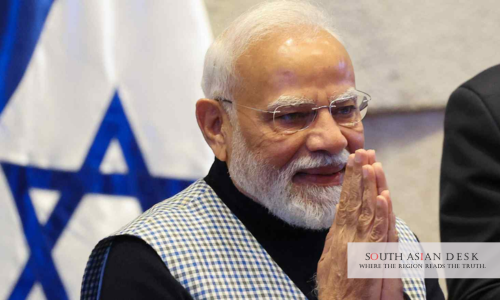
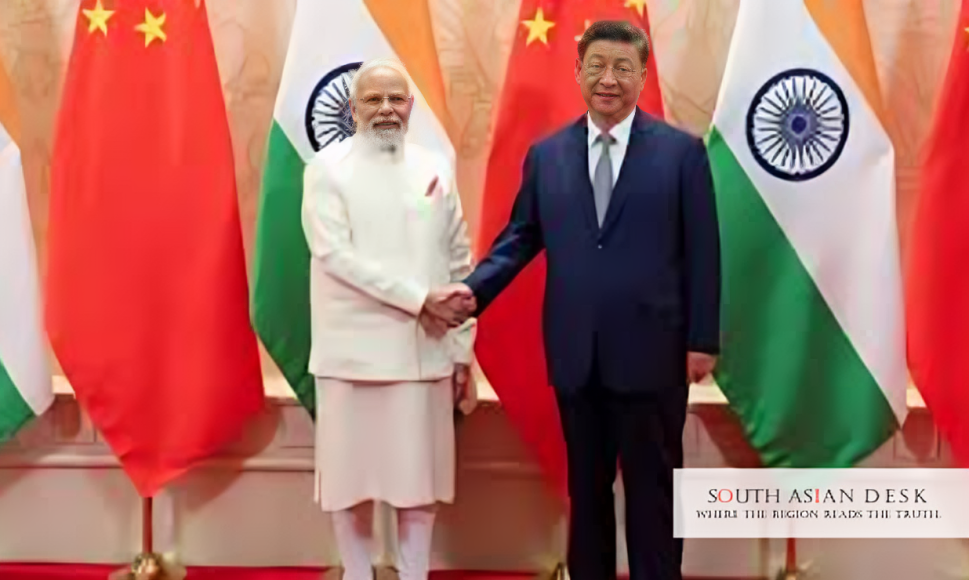
The latest changes signal a pragmatic shift. They follow Prime Minister Narendra Modi’s visit to China earlier this year, his first in seven years. Modi met President Xi Jinping to discuss improving bilateral ties.
Chinese Professionals India Visa: Impact on Bilateral Ties
India streamlines visa rules Chinese professionals at a time of cautious re-engagement with Beijing. The move addresses economic needs while border issues remain managed through existing disengagement agreements.
For South Asia, the policy matters as India strengthens its manufacturing base. Regional neighbours monitor shifts in India-China economic cooperation. These affect investment flows and supply chains across the subcontinent. Indian firms gain from reduced delays. This supports goals to attract global production amid shifting trade dynamics.
The solar and electronics sectors expect immediate benefits. Skilled Chinese technicians can now enter more easily for project-specific work.
What’s Next after India Eases Visa
Further facilitation of Chinese professionals India visa could follow if initial implementation succeeds. Authorities may monitor usage of the e-B-4 Visa platform.
Broader people-to-people exchanges remain linked to overall bilateral progress. Manufacturing partnerships may expand in areas like semiconductors and renewable energy. India eases visa Chinese professionals as part of efforts to minimise production disruptions and enhance competitiveness. The digital reforms mark a step toward efficient business visa processing for critical sectors.
The changes align with India’s aim to reduce import dependence while leveraging global expertise. They balance economic priorities with security considerations.
Published in SouthAsianDesk, December 18th, 2025
Follow SouthAsianDesk on X, Instagram, and Facebook for insights on business and current affairs from across South Asia.