India and the European Union face a delay in finalising an India EU FTA, with negotiators no longer optimistic about concluding a free trade agreement by the end of 2025. Talks remain stuck on key issues, including steel and automobiles, pushing discussions into 2026 despite earlier commitments to conclude this year.
The setback comes after intensive negotiations throughout 2025. Both sides had reaffirmed their aim to wrap up the deal following high-level engagements.
India EU FTA Negotiations Update
The latest developments in the India-EU trade agreement negotiations show progress in some areas but persistent hurdles in others. A Bloomberg report on December 12, 2025, cited sources familiar with the matter, stating that optimism has faded regarding a year-end conclusion.
The EU-India trade deal’s unlikely 2025 outcome stems from disagreements over market access in sensitive sectors. Steel tariffs, automobile duties, and related regulations continue to divide the parties.
India guards its domestic industries carefully. The EU seeks greater concessions on imports that could affect local producers.
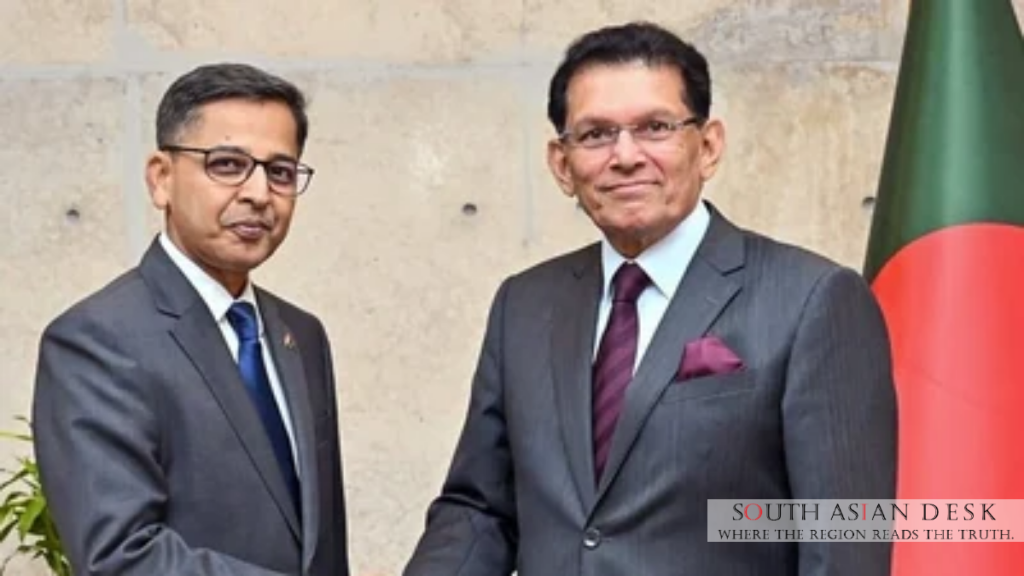
Earlier rounds highlighted these challenges. In November 2025, EU negotiators visited New Delhi from 3 to 7 November for detailed discussions. Commerce Secretary Rajesh Agrawal met Director-General for Trade Sabine Weyand to review outstanding issues.
The meetings narrowed some divergences. Common understanding emerged on many points. Yet technical engagement remains necessary to bridge gaps.
Background of India-EU Trade Agreement: Latest Talks
Negotiations were relaunched in June 2022 after a nine-year pause. Leaders set an ambitious target to conclude by the end of 2025 during the EU College of Commissioners’ visit to New Delhi in February 2025.
Prime Minister Narendra Modi and European Commission President Ursula von der Leyen directed teams to accelerate efforts. Multiple rounds followed, closing several chapters, including those on intellectual property and customs.
By mid-2025, five chapters will be finalised in the 11th round. The talks covered 23 chapters, spanning goods, services, investment, and dispute settlement. Bilateral trade stands strong. The EU remains India’s largest trading partner for goods, with exchanges worth over EUR 124 billion in recent years. An FTA could boost this further by reducing barriers and enhancing predictability.
South Asia watches closely. India’s exporters in textiles, pharmaceuticals, and engineering eye expanded access to the EU. Importers seek competitive sourcing for machinery and chemicals. Regional neighbours track implications too. Enhanced India-EU ties could influence supply chains across Pakistan, Bangladesh, and Sri Lanka through indirect effects on global trade norms.
Key Sticking Points in India EU FTA Delay
Steel and automobiles top the list of unresolved issues. The EU pushes for lower Indian tariffs on high-end vehicles and parts. India resists steep cuts to protect its growing automotive sector. Carbon border adjustment mechanisms add complexity. The EU’s regulations aim to tax carbon-intensive imports from 2026. India views this as a potential non-tariff barrier affecting steel and aluminium exports.
Other areas include services and investment protection. Parallel talks on geographical indications proceed separately. Recent high-level meetings underscore commitment. In October 2025, Commerce and Industry Minister Piyush Goyal met European Commissioner Maroš Šefčovič in Brussels. Both sides reaffirmed their goal of a balanced agreement that respects sensitivities. Progress noted on non-sensitive tariff lines. Yet sensitive sectors require more work.
What’s Next for EU-India Trade Deal Unlikely in 2025
Negotiations now likely extend into January 2026. Sources indicate both sides hope to announce a deal during Ursula von der Leyen’s planned delegation visit to New Delhi. Technical teams continue to engage in both virtual and in-person activities. Monthly rounds helped maintain momentum earlier in the year.
India emphasises equitable outcomes. Regulatory frameworks must support inclusive growth without restricting trade. The EU seeks a modern pact that aligns with the digital transition and resilient supply chains.
Despite the delay in the India-EU FTA, political will remains high. A successful agreement would strengthen the strategic partnership between the two major economies. Observers expect a continued push for a resolution. The delay highlights complexities in balancing ambitions with domestic priorities.
This India-EU FTA negotiations update reflects ongoing efforts to achieve a mutually beneficial agreement. Further developments are anticipated in the coming weeks as teams address remaining gaps. The delay in the India-EU FTA underscores the challenges of aligning diverse economic interests in a comprehensive deal.
Published in SouthAsianDesk, December 13th, 2025
Follow SouthAsianDesk on X, Instagram, and Facebook for insights on business and current affairs from across South Asia.