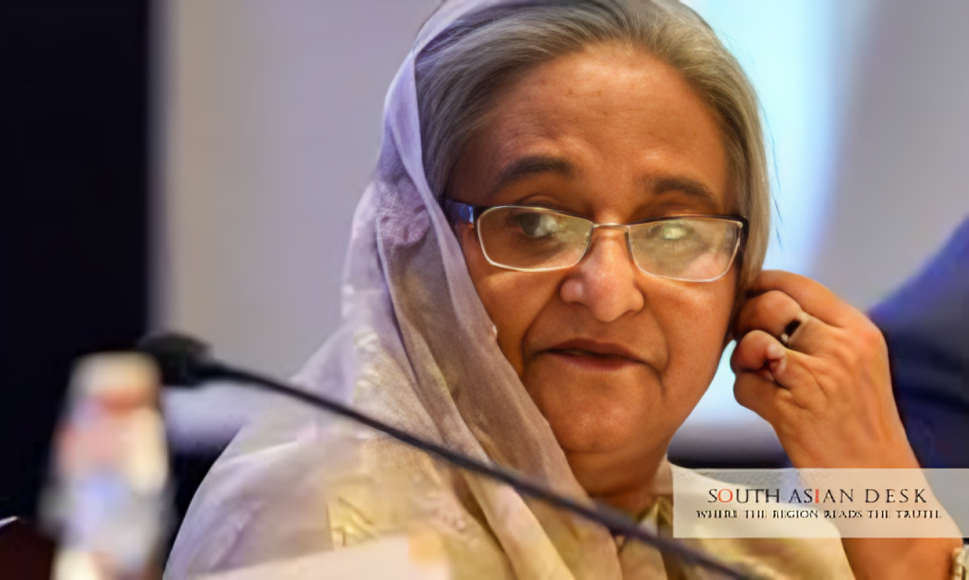
New Delhi, November 27, 2025 – India is examining Hasina extradition request from Bangladesh, convicted in absentia of crimes against humanity. The Ministry of External Affairs (MEA) confirmed receipt of the plea on Wednesday. Hasina, who fled to India in August 2024 amid mass protests, faces a death sentence handed down by Dhaka’s International Crimes Tribunal (ICT) on November 17. Bangladesh first sought her return last year. Officials renewed the call on November 23. This move highlights strains in India-Bangladesh ties under Dhaka’s interim government.
The request centres on the 2013 extradition treaty between the two nations. Bangladesh argues it binds India to act. New Delhi prioritises regional stability. The case draws global scrutiny. Over 1,400 died in the 2024 uprising, per United Nations data.
MEA Response to Hasina Extradition Plea Signals Caution
India’s MEA spokesperson Randhir Jaiswal addressed the Bangladesh seeks Hasina extradition India push during a weekly briefing. “The government is examining the request,” Jaiswal said. He stressed India’s commitment to Bangladesh’s peace, democracy, inclusion, and stability. “We will continue to engage constructively with all stakeholders,” he added.
This measured tone reflects New Delhi’s non-committal stance. Sources indicate India views the conviction as politically motivated. Hasina’s Awami League party, once a key ally, now faces a ban from February 2026 elections. The interim administration under Muhammad Yunus took power after her ouster. Analysts note India’s reluctance stems from Hasina’s historical support against extremism.
Bangladesh’s Foreign Ministry issued a firm statement post-conviction. It called India’s potential refusal a “grave act of unfriendly behaviour.” The ministry invoked the treaty: “India has an obligatory responsibility to extradite Hasina.” It deemed granting her asylum a “travesty of justice” for crimes against humanity convicts. Dhaka urged immediate handover of Hasina and aide Syedur Rahman.
The plea arrived days after the ICT verdict. The tribunal charged Hasina with orchestrating a deadly crackdown on student-led protests. Evidence included orders for lethal force. Witnesses testified to mass arrests and killings. The UN documented 1,400 deaths and thousands injured.
India Bangladesh Hasina Treaty Review Under Spotlight
The 2013 extradition treaty forms the legal backbone. It mandates return for serious offences, barring political exceptions. Both sides ratified it to combat cross-border crime. Yet, Hasina’s case tests its limits. India has extradited fugitives before, like militants to Bangladesh. This instance differs. New Delhi hosted Hasina since her arrival. Reports suggest she resides in Delhi under protection.
Diplomatic channels buzz with activity. Bangladesh’s law minister Asif Nazrul referenced the treaty publicly. “According to the extradition agreement with India, we may demand her extradition,” he stated. Dhaka views delay as complicity. Indian officials counter that due process applies. No timeline emerged from MEA.
Bilateral trade hit USD 14.82 billion in 2024-25, per commerce data. Water-sharing pacts like Teesta remain unresolved. Hasina’s tenure eased border tensions. Her exit shifted dynamics. Yunus’s government probes her allies. India monitors Islamist rise in Dhaka.
Observers predict prolonged review. “India understands this to be political vindictiveness,” said Sanjay Bhardwaj, South Asian Studies professor at Jawaharlal Nehru University. He cited Awami League’s exclusion as evidence. New Delhi fears extradition could inflame exiles.
Background: Hasina’s Fall and Exile in India
Sheikh Hasina ruled Bangladesh for 15 years until August 2024. Her Awami League won landslides amid graft allegations. Protests erupted over job quotas. Security forces fired on crowds. Hasina resigned and fled by helicopter to India. She landed in Hindon airbase near Delhi.
India granted refuge swiftly. Ties warmed under her leadership. She cracked down on insurgents targeting Indian northeast. Bilateral investments surged. Post-ouster, anti-India sentiment grew in Dhaka. Effigies burned in protests.
The ICT formed in 2010 targets 1971 war crimes but expanded scope. Hasina’s trial proceeded without her presence. Prosecutors presented digital evidence, including speeches inciting violence. Defence lawyers decried bias. The verdict sparked Awami League condemnations from exile.
Bangladesh’s initial extradition bid came in September 2024. India did not respond publicly. The November 23 letter followed the death sentence. It named Hasina and Rahman, convicted alongside.
Why This Matters in South Asia
India examining Hasina extradition request ripples across the region. Bangladesh borders four Indian states. Instability risks refugee flows and militancy. New Delhi invests in Dhaka’s development. USD 8 billion in lines of credit flow since 2016.
Refusal could sour ties. Dhaka might pivot to China or Pakistan. Beijing eyes Bay of Bengal ports. Pakistan exploits fault lines. Stable Bangladesh aids India’s Act East policy. Hasina’s return could validate tribunal but alienate her base.
Elections loom in February 2026. Yunus promises reforms. Awami League’s bar excludes 70 percent of parliament seats from 2024. Violence fears mount. India’s stance influences voter perceptions. Regional forums like BIMSTEC face tests. SAARC stalls since 2016. This saga underscores treaty enforcement challenges. South Asia’s 1.9 billion people watch for precedent.
Body Paragraph Expansion: Diplomatic Manoeuvres and Legal Hurdles
Envoys exchanged notes post-request. Bangladesh’s high commissioner in Delhi met MEA counterparts. Discussions covered treaty clauses. Article 3 lists extraditable offences, including murder. Hasina’s charges qualify. India’s legal team reviews asylum claims. Hasina denies charges, calling tribunal illegitimate. Her lawyers filed appeals in Dhaka. Suspension unlikely soon.
Public reactions vary. Bangladeshi media demands action. Indian outlets highlight humanitarian angles. Hasina, 78, cites health issues. Economic levers play in. India supplies 80 percent of Bangladesh’s ready-made garment yarn. Trade imbalances favour Dhaka. Yet, New Delhi holds leverage.
What’s Next: Timeline for India Examining Hasina Extradition Request
Decisions may take weeks. MEA briefs cabinet soon. Consultations with legal experts underway. Bangladesh threatens escalation if unmet. Dhaka eyes UN involvement. Hasina’s team seeks international observers. February polls add urgency. India signals dialogue. Constructive engagement persists.
Resolution hinges on treaty interpretation. Political winds shift. Stability trumps all. India examining Hasina extradition request remains pivotal. It shapes futures for two neighbours bound by history and rivers.
Published in SouthAsianDesk, November 27th, 2025
Follow SouthAsianDesk on X, Instagram, and Facebook for insights on business and current affairs from across South Asia.