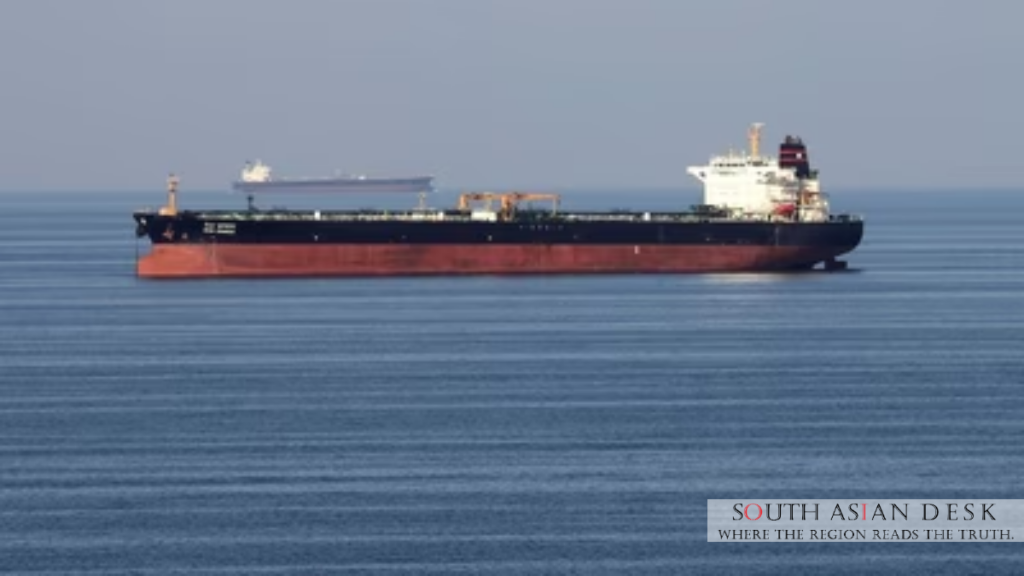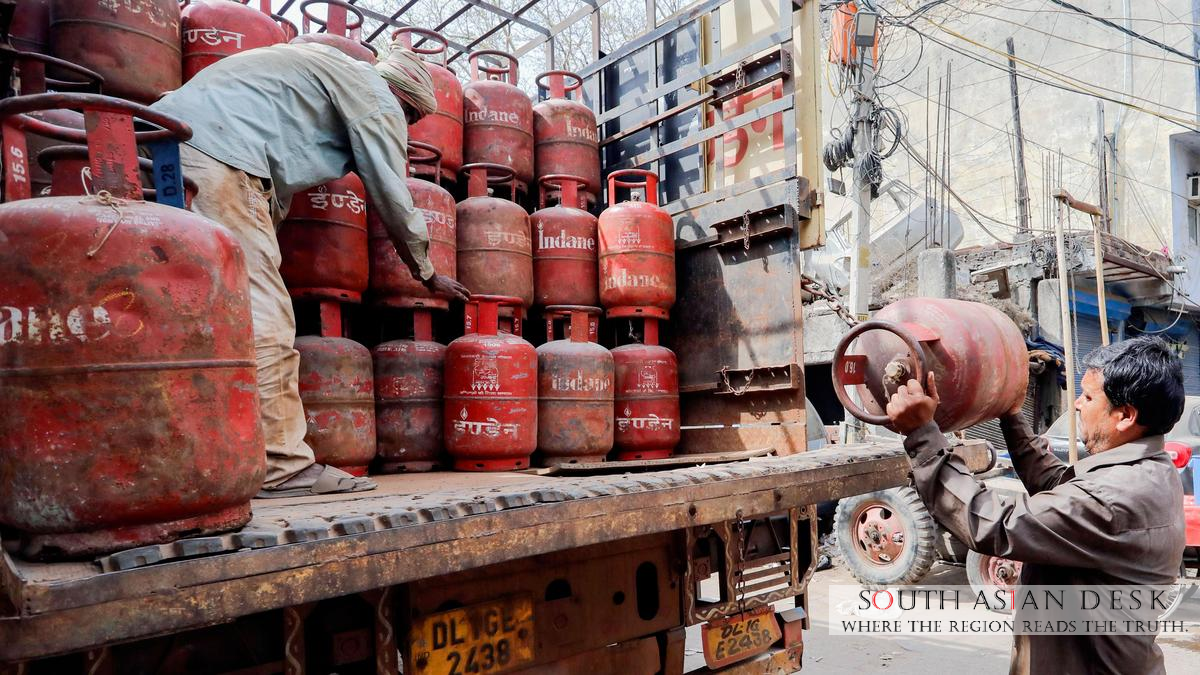
In response to the disruption of cooking gas supplies due to the blockade of the Strait of Hormuz, the Indian government has invoked the Essential Commodities Act, 1955. This move, dated March 5, 2026, aims to prioritize household consumption and regulate natural gas allocation.
The Act empowers the government to control the production, supply, and distribution of essential commodities, including fuels. Under Section 3, it can issue orders to ensure equitable distribution and fair pricing, set stock limits, and prevent hoarding and black marketing.
The current geopolitical tensions, marked by U.S. and Israeli strikes on Iran and subsequent retaliations, have impacted oil and LPG supplies. With 90% of India’s LPG imports transiting through the Strait, the disruption has significantly affected Indian consumers.
The Pradhan Mantri Ujjwala Yojana had increased LPG coverage in Indian households to almost 100%. However, domestic production remains at 12.8 million metric tonnes against an annual consumption of 31.3 million tonnes, necessitating imports.
The government has ordered oil refineries to channel propane and butane streams into LPG production, increasing domestic output by 25%. Despite this, a 50% gap persists, requiring continued imports. The focus remains on prioritizing domestic households over commercial entities.
Future measures may include expanding strategic reserves and diversifying suppliers to mitigate reliance on the Persian Gulf. The situation underscores the need for long-term strategies to ensure energy security in India.
Published in SouthAsianDesk, March 15, 2026
Follow SouthAsianDesk on X, Instagram and Facebook for insights on business and current affairs from across South Asia.