India’s army chief has issued a stern warning to Pakistan over recent drone intrusions, highlighting at least eight sightings in Jammu since January 10, amid ongoing security concerns along the Line of Control.
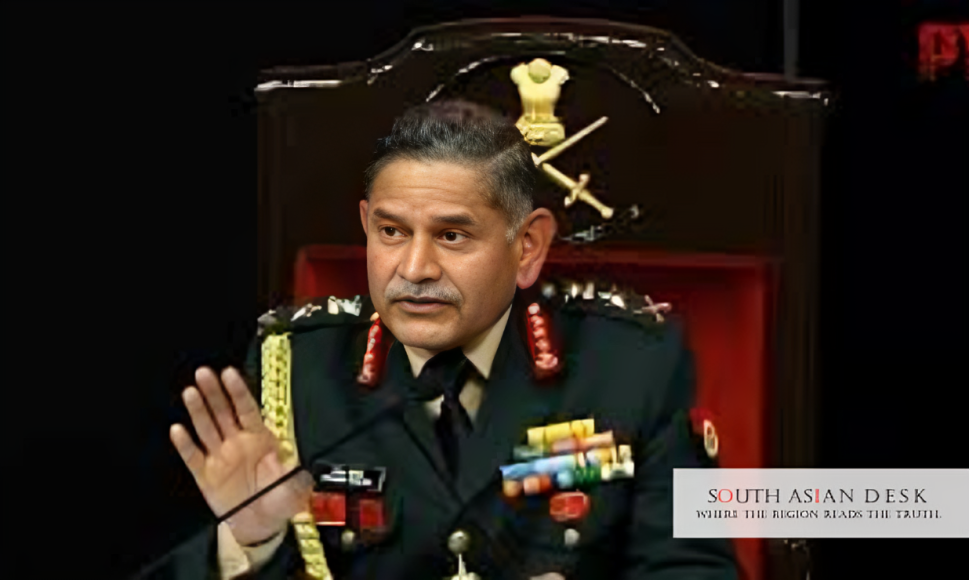
India’s army chief stated that the country has formally asked Pakistan to halt drone intrusions across the border. General Upendra Dwivedi revealed during a press conference on Tuesday, January 13, 2026, that at least eight drones had been spotted in the Jammu region since Saturday, January 10, 2026. These incidents prompted direct communication between military officials of both nations, with India labelling the activity unacceptable.
The statement comes against a backdrop of heightened vigilance following recent clashes. General Dwivedi described the drones as small devices flying at low altitudes with lights activated, suggesting they were not intended for immediate hostile actions but rather for surveillance.
Indian Army Chief Warns Pakistan on Border Violations
General Dwivedi addressed reporters ahead of Army Day on January 15, 2026. He explained that about six drones appeared on January 10, followed by two to three on January 11 and 12. “These drones, I believe, were defensive drones, which want to go up and see if any action was being taken,” he said. He added that the intrusions might aim to identify gaps in Indian defences through which terrorists could be infiltrated.
India raised the matter with Pakistan’s director general of military operations during a phone call on January 13. “This matter was discussed today and they have been told that this is unacceptable to us, and please put a stop to it. This has been conveyed to them,” General Dwivedi noted. Indian media outlets cited army officials confirming the drones originated from Pakistan, though no physical evidence such as wreckage was mentioned in the briefing.
The Indian army chief warns Pakistan that such actions undermine border stability. He emphasised that India’s surveillance systems remain robust, with no successful infiltrations reported. The focus on drone sightings in Jammu underscores the region’s vulnerability, where the Line of Control separates the two nations.
Drone Sightings Jammu Raise Security Alerts
Security forces in Jammu have been on high alert following the drone sightings. The area, part of the disputed Jammu and Kashmir territory, has seen intermittent tensions. Officials described the drones as operating in the Naushera-Rajouri sector, among other points along the Line of Control.
One military source indicated that counter-drone measures were deployed effectively, preventing any breaches. The intrusions align with broader patterns of aerial surveillance in conflict zones. In this case, the Pakistan defensive drones appear designed to assess Indian troop movements without engaging directly.
Pakistan has rejected the allegations. Security sources in Islamabad described the claims as provocative and baseless, aimed at diverting attention from India’s internal issues. They noted a lack of technical or visual evidence from Indian authorities. “Even Indian media reports relied on vague terms such as suspected drones and unverified official statements,” one source stated.
This denial highlights the differing narratives between the two sides. While India views the incidents as deliberate probes, Pakistan maintains no such operations occurred. The absence of an immediate official response from Pakistan’s military to General Dwivedi’s comments leaves room for further diplomatic exchanges.
Background
India and Pakistan have a history of border skirmishes, with drones emerging as a modern tool in their arsenal. The current India Pakistan drone intrusions follow a period of escalated conflict in May 2025, when the two nations engaged in their worst fighting in decades.
That episode involved cross-border strikes under Operation Sindoor, where Indian forces targeted nine terrorist sites in 22 minutes. General Dwivedi referenced this operation in his press conference, noting that Indian troops were fully mobilised and prepared for ground offensives if provoked. “Ground forces were poised and ready to enter Pakistan the moment Islamabad made any mistake,” he said, underscoring India’s deterrence strategy.
Multiple terrorist camps reportedly continue to operate near the Line of Control and international border. India accuses Pakistan of supporting such activities, a charge Islamabad denies. The 2025 clashes froze bilateral ties, with no high-level talks since. Drone technology has complicated matters, allowing remote reconnaissance without risking personnel.
In recent years, both countries have invested in unmanned aerial vehicles for defence purposes. India has deployed drones for surveillance along the border, while Pakistan has similar capabilities. However, the specific incidents in Jammu mark a spike in reported intrusions, prompting calls for restraint.
The Line of Control, established after the 1971 war, spans 740 kilometres and remains a flashpoint. Ceasefire violations occur periodically, though a 2021 agreement aimed to reduce them. The re-emergence of drone sightings Jammu suggests potential erosion of that understanding.
Experts note that drones offer plausible deniability, making attribution challenging. Without international verification, such as from the United Nations Military Observer Group in India and Pakistan, disputes persist.
The economic impact on border communities is significant. Residents in Jammu report disruptions to daily life, with heightened military presence affecting agriculture and trade. Cross-border trade, once valued at USD 1 billion annually, has dwindled amid tensions.
What’s Next
Diplomatic channels may see increased activity to address the India Pakistan drone intrusions. Military hotlines between the directors general of military operations provide a mechanism for de-escalation. If unresolved, the issue could lead to formal protests at international forums.
India has indicated readiness to respond destructively if provocations continue. Pakistan, in turn, may seek evidence before engaging further. Observers suggest confidence-building measures, such as joint drone monitoring protocols, could prevent escalation.
Regional stability in South Asia hinges on managing such incidents. With both nations nuclear-armed, any miscalculation risks broader conflict. Forward-looking efforts might include reviving backchannel talks to rebuild trust.
The ongoing India Pakistan drone intrusions serve as a reminder of fragile peace along the border. As security forces maintain vigil, the international community watches closely for signs of resolution.
Published in SouthAsianDesk, January 14th, 2026
Follow SouthAsianDesk on X, Instagram and Facebook for insights on business and current affairs from across South Asia.