India’s rice exports to Iran have stalled due to ongoing protests and US tariff threats, affecting basmati suppliers with payment delays worth ₹2,000 crore. Exporters face uncertainties as trade volumes drop sharply.
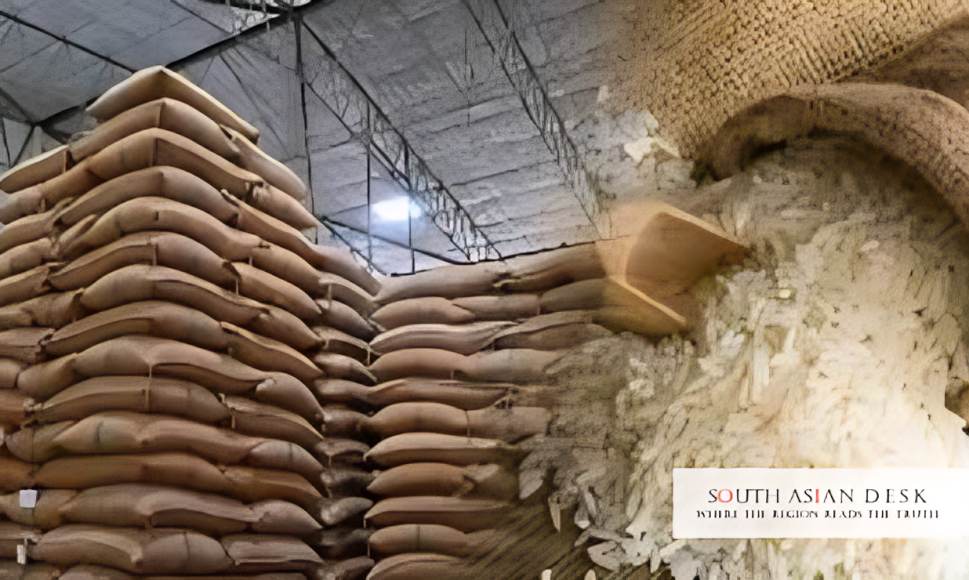
New Delhi: India’s rice exports to Iran, a key market for basmati, have ground to a halt amid widespread protests in the Gulf nation and fears of additional US tariffs. Suppliers report non-payment risks and halted shipments, impacting farmers in Punjab and Haryana. The disruptions began in late 2025, with exporters holding back new deals.
This development matters for South Asia as Iran absorbs a large share of Indian basmati, influencing regional prices and farmer incomes. Pakistan, a rival exporter, could gain market share if India’s rice exports to Iran remain stalled. Broader trade ties, including pharmaceuticals and fruits, face risks, potentially raising food costs across the region.
Iran Protests Impact Indian Rice Trade
Protests in Iran, sparked by economic grievances and governance issues, have disrupted banking and logistics. Indian exporters say payments for shipped basmati are delayed, with around ₹2,000 crore stuck. “Iran has historically been a pillar market for Indian basmati. However, the current internal turmoil has disrupted trade channels, slowed payments and dented buyer confidence,” said Prem Garg, National President of the Indian Rice Exporters Federation (IREF).
Data from the commerce ministry shows India’s exports to Iran fell to USD 1.24 billion in the 2024-25 fiscal year from USD 3.51 billion previously. Basmati rice forms a major part. In April-November 2025-26, India shipped 5.99 lakh tonnes worth USD 468.10 million to Iran. This is down from prior peaks, per trade data.
Exporters like KRBL Ltd note the protests have halted order flows. Akshay Gupta, head of bulk exports at KRBL, stated: “The proposed 25% levy under the Trump framework adds an additional challenge to the Indian basmati rice sector.” Domestic basmati prices have fallen 7% due to unsold stocks.
US Tariffs On India-Iran Trade
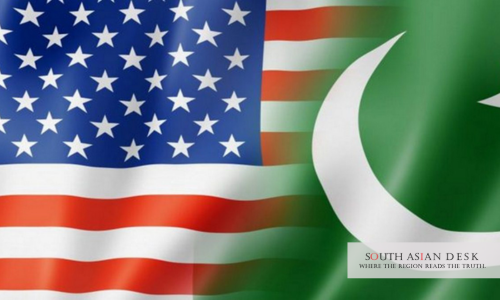
US President Donald Trump announced on Monday, 12 January 2026, that countries trading with Iran face a 25% tariff on US business. This targets partners like India, China and Turkey. Trump posted on Truth Social: “Effective immediately, any Country doing business with the Islamic Republic of Iran will pay a Tariff of 25% on any and all business being conducted with the United States of America.”
India’s rice exports to Iran could suffer indirectly. Indian rice to the US already faces a 50% duty, up from 10%. The new tariff might stack, raising costs for exporters diversifying markets. Government sources say the impact on India is minimal, as trade with Iran is small compared to total exports.
Bilateral trade stood at USD 1.34 billion in the first 10 months of 2025, per commerce ministry figures. Rice leads exports, followed by fruits and pharmaceuticals. Imports include dry fruits and chemicals.
Basmati Rice Payment Delays Iran
Payment issues stem from Iran’s currency crisis and suspended subsidies. The rial has plummeted, inflating costs for importers. Indian suppliers demand letters of Credit, but many deals stall.
In October 2025, India exported USD 22.1 million in basmati to Iran, per Observatory of Economic Complexity data. This is part of 21.55 million tonnes total rice exports in 2025, near the 2022 record.
Farmers in South Asia feel the pinch. Basmati prices in Indian markets dropped sharply, affecting livelihoods in key growing areas. IREF has advised members to reassess Credit risks and seek secured payments.
The federation urged the commerce ministry for help in clearing dues. “Exporters must exercise heightened caution, particularly with respect to Credit exposure and shipment timelines,” IREF stated.
Background
India has been Iran’s top rice supplier, meeting two-thirds of its needs. Sanctions history has fluctuated trade. In 2024, rice exports to Iran hit USD 698.29 million, per UN COMTRADE.
Protests intensified in 2026, leading to communication blackouts and economic halts. US intervention threats add pressure. India’s rice exports to Iran peaked pre-sanctions but have declined.
South Asian economies watch closely. Pakistan exported similar volumes and could fill gaps if India’s rice exports to Iran falter further.
What’s Next
Exporters await clarity on US tariffs. If implemented, firms may shift to alternatives like Saudi Arabia or UAE. Government talks with Iran could resolve payments.
IREF plans meetings with officials. Analysts predict recovery if protests ease, but prolonged unrest risks permanent market loss.
India’s rice exports to Iran remain critical for basmati sector stability.
Published in SouthAsianDesk, January 14th, 2026
Follow SouthAsianDesk on X, Instagram and Facebook for insights on business and current affairs from across South Asia.