The Indian rupee weakened for a fourth consecutive session on Monday, driven by U.S. tariff threats and importer dollar demand, raising concerns about economic stability.
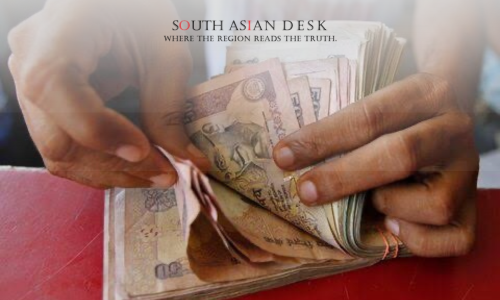
The Indian rupee fell for the fourth straight session on Monday, August 25, 2025, closing at INR 87.53 against the U.S. dollar, pressured by fears of new U.S. tariffs on Indian goods and sustained dollar demand from importers. The decline, reported at 0.3% by the Reserve Bank of India (RBI), reflects growing market unease as a Wednesday deadline for 25% U.S. tariffs looms, linked to India’s continued Russian oil purchases.
Why This Matters in South Asia
The rupee’s persistent weakening has significant implications for South Asia, where currency stability is crucial for trade and economic growth. India, the region’s largest economy, faces heightened trade tensions with the U.S., which could disrupt its export-driven sectors like pharmaceuticals and textiles. A weaker rupee raises import costs, potentially fueling inflation and affecting regional trade dynamics, particularly with neighbouring countries like Bangladesh and Sri Lanka, which rely on stable Indian markets.
Tariff Threats Fuel Rupee Decline
The rupee’s slide is largely driven by U.S. President Donald Trump’s announcement of 25% tariffs on Indian goods, effective from Wednesday, August 27, 2025, citing India’s USD 52 billion in Russian oil imports last year. According to Reuters, the rupee hit 87.53 against the dollar by 3:00 PM IST, down from 87.40 on Friday, marking its weakest level since February 2025. The non-deliverable forward market indicated further pressure, with the rupee potentially breaching 88.00 soon.
A senior trader at a private bank in Mumbai noted, “The tariff threats have amplified market anxiety, with importers rushing to hedge dollar liabilities ahead of the deadline”. The BSE Sensex and Nifty 50 indices also fell 0.7% each, reflecting broader market concerns over trade disruptions.
Importer Demand Adds Pressure
Sustained dollar buying by oil companies and other importers has exacerbated the rupee’s decline. The Economic Times reported that state-run oil firms were actively purchasing dollars to cover month-end payments, contributing to the currency’s fall. “Importer demand has been relentless, particularly from oil companies, despite a broadly weaker dollar,” said a trader at a mid-sized private bank.
The RBI has intervened to curb excessive depreciation, with state-run banks spotted selling dollars in the spot market. India’s foreign exchange reserves, at USD 698.19 billion as of July 25, 2025, provide a buffer, but recent interventions have reduced reserves to an 11-month low relative to exports.
Potential Economic Impacts
A weaker rupee could offer a competitive edge for Indian exports by offsetting some tariff impacts, as noted by HDFC Bank’s Sakshi Gupta: “A sustained 1% decline in the rupee could offset 2–3 basis points of GDP growth drag from higher tariffs”. However, rising import costs, particularly for oil and electronics, could stoke inflation, impacting consumers and businesses across South Asia.
Posts on X highlighted mixed sentiments, with some noting short-term relief from expected U.S. Federal Reserve rate cuts in September, which could weaken the dollar and support the rupee. However, others warned that tariff-induced trade deficits could reverse this trend.
Background
The rupee has faced persistent pressure in 2025, depreciating over 2% year-to-date due to U.S. tariff threats and foreign portfolio outflows exceeding USD 11 billion. Trade talks between India and the U.S. have stalled, with five rounds failing to secure a deal by the August 1 deadline. India’s refusal to cut Russian oil imports and open its agriculture and dairy markets has led to escalating U.S. tariffs, with Trump threatening further hikes.
The RBI’s interventions, including forward dollar sales, aim to stabilise the rupee without draining reserves further. India’s economy, projected to grow at 6.8% annually over the next three years, faces risks from sluggish corporate earnings and tariff-related uncertainties.
What’s Next
As the August 27 tariff deadline approaches, the rupee’s trajectory will depend on RBI interventions and progress in U.S.-India trade talks. A U.S. delegation is expected in Delhi later this month, with Indian officials hopeful for a deal to cap tariffs at 15%. Without a breakthrough, the rupee may test historic lows, potentially impacting India’s trade balance and regional economic stability.
Published in SouthAsianDesk, August 25th, 2025
Follow SouthAsianDesk on X, Instagram, and Facebook for insights on business and current affairs from across South Asia.