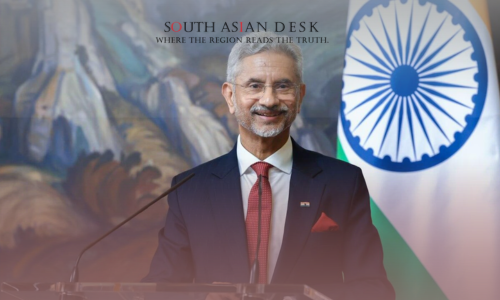
India Russia ties take centre stage as External Affairs Minister S. Jaishankar embarked on a three-day visit to Moscow on 19 August 2025, aiming to bolster the longstanding strategic partnership between the two nations. This visit, set against the backdrop of global geopolitical shifts and strained relations with the United States, underscores India’s commitment to maintaining robust trade with Russia and deepening bilateral cooperation.
Reinforcing the India-Russia Strategic Partnership
Jaishankar’s visit to Moscow highlights the enduring strength of India Russia ties, described by the Ministry of External Affairs (MEA) as a “time-tested” and “Special and Privileged Strategic Partnership.” The minister is set to co-chair the 26th Session of the India-Russia Inter-Governmental Commission on Trade, Economic, Scientific, Technological, and Cultural Cooperation on 20 August 2025, alongside Russian First Deputy Prime Minister Denis Manturov. This platform will facilitate discussions on enhancing collaboration in sectors such as energy, defence, and connectivity, with a focus on addressing trade imbalances and logistical challenges.
The visit comes at a critical juncture, as India navigates tensions with the United States following President Donald Trump’s decision to impose a 50% tariff on Indian goods, including an additional 25% penalty for India’s continued purchase of Russian crude oil. Despite this pressure, India has reaffirmed its commitment to trade with Russia, particularly in the energy sector, where Russian crude oil constitutes a significant portion of India’s imports. The MEA’s statement emphasised that Jaishankar’s agenda includes reviewing the bilateral relationship and exploring ways to further strengthen India Russia ties.
Trade with Russia: Navigating Challenges and Opportunities
The economic dimension of India Russia ties has seen remarkable growth, with bilateral trade reaching $66 billion in recent years. Jaishankar and his Russian counterpart, Foreign Minister Sergey Lavrov, are expected to address key issues such as payment mechanisms and trade facilitation. The surge in trade with Russia, particularly in Russian crude oil, has been a cornerstone of this relationship, despite challenges posed by Western sanctions and payment bottlenecks following Russia’s exclusion from the SWIFT system.
During the visit, discussions will also touch on the Ukraine conflict, with India maintaining its stance on resolving the crisis through dialogue and diplomacy. Prime Minister Narendra Modi’s recent conversations with Russian President Vladimir Putin and Ukrainian President Volodymyr Zelenskyy reflect India’s balanced approach, advocating for peace while safeguarding its economic interests. Jaishankar is likely to explore how India Russia ties can contribute to regional stability, including through multilateral frameworks like BRICS and the Shanghai Cooperation Organisation (SCO).
Addressing the Russian Crude Oil Controversy
The purchase of Russian crude oil has been a point of contention, particularly with the United States, which argues that India’s imports are funding Russia’s actions in Ukraine. However, India has defended its energy trade with Russia as essential for maintaining global energy stability and preventing inflation. Jaishankar’s visit aims to reinforce this position, ensuring that trade with Russia, especially in Russian crude oil, remains a priority. The minister’s discussions with Lavrov are expected to include strategies to circumvent payment challenges, such as expanding the use of national currencies and exploring new banking arrangements.
Recent posts on X indicate mixed sentiments regarding India’s stance. Some sources suggest that Indian refineries briefly paused spot purchases of Russian crude oil due to U.S. pressure, while others, including Bloomberg, clarify that no formal stop order was issued, and purchases continue based on commercial decisions. These insights highlight the delicate balance India maintains in its foreign policy, prioritising economic sovereignty while engaging with global partners.
A Broader Vision for India Russia Ties
Beyond trade, Jaishankar’s visit will focus on cultural and people-to-people exchanges, building on past engagements such as his interactions with the Indian diaspora in Moscow and Russian Indologists in Saint Petersburg. The signing of agreements related to the Kudankulam Nuclear Power Plant and cooperation in pharmaceuticals during previous visits underscores the multifaceted nature of India Russia ties. Both nations are also working towards a Free Trade Agreement between India and the Eurasian Economic Union, aiming to boost trade with Russia to $100 billion by 2030.
The absence of the annual India-Russia summit in recent years, due to the Ukraine conflict, has not diminished the commitment to this partnership. Jaishankar’s visit, following National Security Adviser Ajit Doval’s recent meeting with Putin, signals India’s intent to resume high-level engagements, with Putin expected to visit India later in 2025. These efforts reflect a shared resolve to maintain India Russia ties as a cornerstone of their foreign policies.
A Resilient Partnership
As Jaishankar engages with Russian leaders, the focus remains on ensuring that India Russia ties continue to thrive amidst global challenges. The commitment to trade with Russia, particularly in Russian crude oil, underscores India’s strategic autonomy and its determination to balance economic interests with diplomatic priorities. This visit is a testament to the resilience of the India-Russia partnership, poised to navigate complex global dynamics while fostering mutual growth and cooperation.
Published in SouthAsianDesk, August 19th, 2025
Follow SouthAsianDesk on X, Instagram, and Facebook for insights on business and current affairs from across South Asia.