India approved the 2025 sugar export quota of 1.5 million tonnes on Monday to address the rising domestic surplus from the 2025-26 season. The Department of Food and Public Distribution announced the quota alongside the removal of 50 percent export duty on molasses. Mills can now ship raw and refined sugar freely. Officials cited ample stocks post-harvest. This policy shift targets price stabilisation. The decision was made following consultations with industry stakeholders in New Delhi.
The 2025 India sugar export quota holds key implications for South Asia’s agrarian economies, where India’s output floods regional markets and squeezes rivals, such as Pakistan’s mills. With shared borders and trade agreements, surplus flows influence prices in Bangladesh and Nepal, bolstering food security but challenging local producers amid volatile global commodity markets.
India 1.5 Million Ton Sugar Export Boosts Mill Revenues
The food ministry set a 1.5 million ton sugar export cap for India for the season running from October 2025 to September 2026. This marks a significant increase from the restrictions of prior years, driven by sugarcane yields exceeding forecasts. Government data projects sugar output at 35 million tonnes, up from 32.5 million last season, per Ministry of Agriculture estimates released in May.
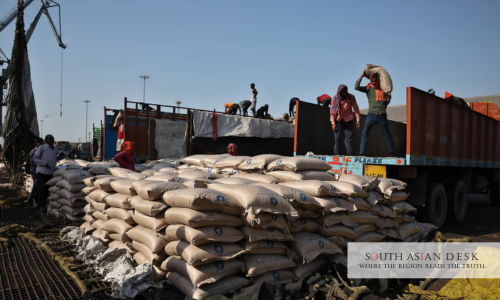
Domestic consumption hovers at around 28 million tonnes annually, resulting in a surplus of approximately 7 million tonnes after ethanol diversions. Lower biofuel mandates this year freed up stocks for export. Mills in Uttar Pradesh and Maharashtra stand to gain the most, as they hold 60 per cent of the capacity. The quota allocates pro rata based on verified production, with applications opening next week.
Industry leaders welcomed the move. The Indian Sugar Mills Association noted in a statement that the 1.5 million ton sugar export allowance for India aligns with WTO commitments while safeguarding supplies. Exports could fetch USD 600 per ton in key markets such as Indonesia and Bangladesh. Last season, shipments reached 4.5 million tonnes under freer regimes, adding INR 25,000 crore (approximately USD 3 billion) to the country’s forex reserves.
Authorities emphasise sustainable pacing to avoid shortages during festivals. The directorate will monitor monthly outflows, initially capping them at 200,000 tonnes. This structured release prevents past gluts that depressed farmgate prices to INR 3,200 per quintal.
Sugar Surplus India Exports Face Global Headwinds
India’s sugar surplus exports stem from bumper monsoons and expanded acreage. Sugarcane cultivation spanned 5.1 million hectares this year, yielding 82 tonnes per hectare on average. The Press Information Bureau highlighted in May that production reached 262 lakh tonnes by mid-season, surpassing targets despite early drought scares in southern states.
Floods in Bihar contributed 5 percent to the totals, according to official surveys. Yet, surplus pressures mount as ethanol blending dips to 12 percent from 15 percent, redirecting 2 million tonnes back to sugar. Storage silos at 90% capacity prompt urgent offloading. The India sugar export quota for 2025 addresses this by prioritizing raw sugar, which constitutes 70 percent of outbound volumes.
International buyers eye the influx. Bangladesh seeks 500,000 tonnes under bilateral quotas, while African nations bid via tenders. However, Brazil’s dominance, with 25 million tonnes projected, caps premiums. Indian exporters target a 10 percent volume rise, leveraging lower freight costs following the stabilisation of the Red Sea.
Regional ripple effects loom large. Pakistan’s sugar sector, which produces 7 million tonnes against a demand of 5.5 million tonnes, braces for cheaper imports. Trade analysts predict a 5 percent price dip in Lahore markets if India floods the channels. Nepal’s mills, which are reliant on Indian refining, may see input costs decrease by PKR 2,000 per tonne.
India’s Molasses Export Duty Removal Unlocks Byproduct Value
In tandem, the government scrapped the 50 per cent India molasses export duty, effective immediately. Molasses, a distillery feedstock, accumulated 3.5 million tonnes in surplus from crushing operations. The levy, imposed in 2023 to curb ethanol shortages, now yields to excess supplies.
The removal of India’s molasses export duty opens doors to Southeast Asia, where demand for animal feed and chemicals is surging. Exports could double to 1 million tonnes, generating INR 1,500 crore (approximately USD 180 million) in revenue. Mills integrate molasses sales into their core operations, yielding 20 litres per tonne of cane.
The policy tweak supports fair remunerative price mechanisms. Farmers receive INR 340 per quintal for cane, a 6 percent increase from last year. Payout arrears, a chronic issue, dropped 15 per cent post-exports in prior seasons. Uttar Pradesh Chief Minister Yogi Adityanath urged swift allocations in a recent address, linking quotas to rural employment for 50 million growers.
Environmental angles emerge, too. Reduced stockpiles cut wastage, aligning with India’s net-zero pledges by 2070. Distilleries pivot to green variants, blending exports with domestic biogas initiatives.
Background
India accounts for 18 percent of global sugar output, second only to Brazil. The sector employs 50 million directly, fuelling rural economies in Maharashtra, where 2,000 mills operate. Historical quotas fluctuated: zero in 2022 amid shortages, then 6 million tonnes in 2023. Ethanol ambitions diverted 40 per cent of cane since 2018, but 2025-26 sees a rollback to prioritise food.
South Asian dynamics add layers. SAARC trade forums discuss harmonised duties, yet India’s surpluses often bypass tariffs via land routes. Pakistan imposed safeguards in 2024, hiking duties to 100 per cent, yet smuggling persists. Bangladesh benefits from duty-free access under SAFTA, importing 1 million tonnes yearly.
Global climate shifts exacerbate volatility. El Niño threats loom for 2026, potentially reducing yields by 10 percent. The World Trade Organization monitors subsidies, with India defending minimum support prices as non-distortive.
What’s Next
The directorate convenes millers on November 15 for quota distributions. Tenders are launched in mid-December, targeting Q1 shipments. Monitoring committees are activated to track diversions. If surpluses persist, a quota hike to 2 million tonnes sits on the table. Regional dialogues at BIMSTEC may explore joint stockpiles.
The India sugar export quota 2025 caps a resilient harvest, yet sustained reforms promise equitable gains for South Asia’s sweet tooth.
Published in SouthAsianDesk, November 10th, 2025
Follow SouthAsianDesk on X, Instagram, and Facebook for insights on business and current affairs from across South Asia.