New Delhi announced on Monday the India US LPG deal November, under which Indian public sector undertakings will import 2.2 million tonnes per annum of liquefied petroleum gas from the United States. The agreement, sourced from the US Gulf Coast, covers one year and fulfils nearly 10 per cent of India’s annual LPG needs. Petroleum Minister Hardeep Singh Puri revealed the pact, highlighting diversification efforts. This move arrives amid heightened US scrutiny over India’s Russian oil purchases.
Significance for South Asia’s Energy Landscape
The India US LPG deal November bolsters regional energy security at a time when South Asian nations grapple with volatile global prices and supply disruptions. India, the world’s third-largest energy consumer, relies on imports for over half its LPG requirements, serving 300 million households. This agreement reduces dependence on traditional suppliers like the Middle East, stabilising costs for cooking fuel across the subcontinent. For neighbouring countries like Pakistan and Bangladesh, which import Indian refined products, lower volatility could ease inflationary pressures on essentials. The pact underscores shifting geopolitical alignments, with US energy exports gaining ground in a region historically tied to Russian and Persian Gulf sources.
India’s First Long-Term US Gas Import Takes Shape
Indian public sector oil companies finalised the India US LPG deal November after months of negotiations. A team from Indian Oil Corporation, Bharat Petroleum Corporation Limited and Hindustan Petroleum Corporation Limited visited US producers in recent months. Minister Puri described it as “the first structured contract of US LPG for the Indian market”. The deal benchmarks prices to Mont Belvieu, the key US Gulf Coast hub, ensuring competitive rates.
This represents India’s first long-term US gas import, contrasting with sporadic spot purchases. Officials note it aligns with Prime Minister Narendra Modi’s vision for affordable energy. Last year, global LPG prices surged over 60 per cent, yet Indian consumers paid subsidised rates of INR 500 to 550 per 14.2 kg cylinder, against a market cost exceeding INR 1,100. The government absorbed over INR 40,000 crore in subsidies to shield households, particularly under the Ujjwala scheme benefiting 100 million women.
The volume, 2.2 million tonnes per annum targets peak demand seasons. Indian PSUs 2.2 MTPA LPG from US will arrive via specialised tankers, with initial shipments expected in early 2026. This influx supports domestic bottling plants operating at 80 per cent capacity, averting shortages during festivals like Diwali.
Trump Pressure Shapes India Energy Agreement Dynamics
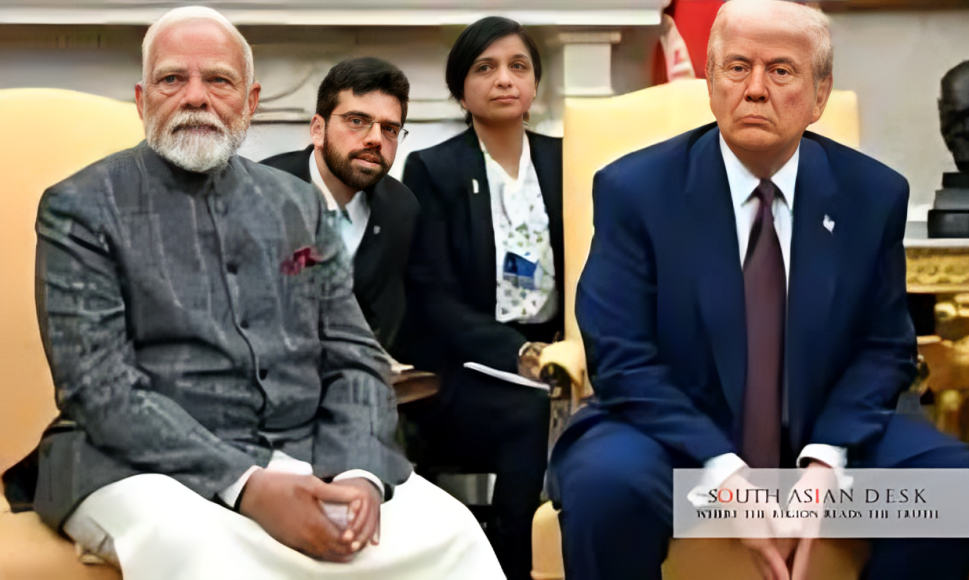
The timing of the India US LPG deal November coincides with intensified bilateral frictions. In August 2025, President Donald Trump imposed 25 per cent additional tariffs on Indian goods, citing New Delhi’s discounted Russian oil imports that allegedly fund Moscow’s Ukraine operations. Trump publicly claimed Prime Minister Modi pledged to curb these purchases as part of a broader trade framework.
US officials have urged India to ramp up American energy buys, including oil and gas, to offset Russian volumes. India imported 1.9 million barrels per day of Russian crude in the first nine months of 2025, comprising 40 per cent of its total. In response, state refiner HPCL-Mittal Energy paused Russian crude tenders in October following US sanctions on key Moscow firms. Private giant Reliance Industries is evaluating impacts from expanded restrictions.
Minister Puri emphasised self-reliance in sourcing. “In our endeavour to provide secure, affordable supplies of LPG to the people of India, we have been diversifying our LPG sourcing,” he stated. This India energy agreement under Trump pressure reflects pragmatic diplomacy, balancing economic needs with alliance commitments. Talks on a comprehensive trade pact continue, potentially easing tariffs if energy cooperation deepens.
Indian PSUs 2.2 MTPA LPG from US: Operational Details
The Indian PSUs 2.2 MTPA LPG from US forms the core of this diversification strategy. Bharat Petroleum leads coordination, leveraging its Dahej terminal for regasification. Indian Oil Corporation will handle distribution to northern refineries, while Hindustan Petroleum focuses on western ports. US suppliers, including ExxonMobil and Chevron, committed volumes during bilateral forums.
Pricing ties to Henry Hub natural gas futures, offering predictability amid Brent crude fluctuations. Analysts project savings of USD 50-70 per tonne compared to Middle Eastern contracts, factoring in freight from the Gulf of Mexico. This efficiency aids India’s goal to raise natural gas share in its energy mix to 15 per cent by 2030 from 6.2 per cent currently.
Environmental benefits emerge too. US LPG production employs advanced flaring reduction techniques, aligning with India’s net-zero 2070 pledge. The deal incorporates carbon offset clauses, promoting cleaner imports.
Background: Evolving India-US Energy Ties
India-US energy collaboration dates to 2017, when Prime Minister Modi and then-President Trump launched the US-India Strategic Energy Partnership. Early focus centred on LNG, with Petronet LNG signing a USD 2.5 billion deal in 2020. Post-2024, Trump’s return amplified export pushes, targeting India’s 5 per cent annual energy demand growth.
The current India US LPG deal November builds on October 2025 overtures, where Modi engaged Trump’s social media on energy pacts. Despite tariff hurdles projected to shave 60-80 basis points off India’s GDP this fiscal year bilateral trade hit USD 200 billion in 2024-25. Russian oil, discounted 20-30 per cent below Brent, tempted refiners, but US secondary sanctions prompted diversification.
South Asia watches closely. Pakistan, importing 2 million tonnes of LPG yearly, faces similar US overtures, though ties remain strained. Bangladesh eyes spillover benefits from stabilised regional pricing.
What’s Next for the India US LPG Deal November
Future expansions loom. Officials hint at multi-year extensions if volumes stabilise supplies. A Quad energy working group, convening in December 2025, may integrate this pact into Indo-Pacific frameworks. Trump-Modi summits in early 2026 could unveil broader India energy agreement under Trump pressure, potentially slashing tariffs in exchange for USD 10 billion annual US exports.
For Indian households, the Indian PSUs 2.2 MTPA LPG from US promises uninterrupted access, fortifying resilience against geopolitical shocks. As diversification accelerates, the India US LPG deal November stands as a cornerstone of enduring partnership.
The India US LPG deal November not only secures vital imports but redefines energy geopolitics for South Asia.
Published in SouthAsianDesk, November 17th, 2025
Follow SouthAsianDesk on X, Instagram, and Facebook for insights on business and current affairs from across South Asia.