Indian farm unions and opposition parties vow nationwide protests on 12 February against the India US trade deal, citing risks to domestic agriculture from increased US imports. Government defends the pact as protective of key staples.
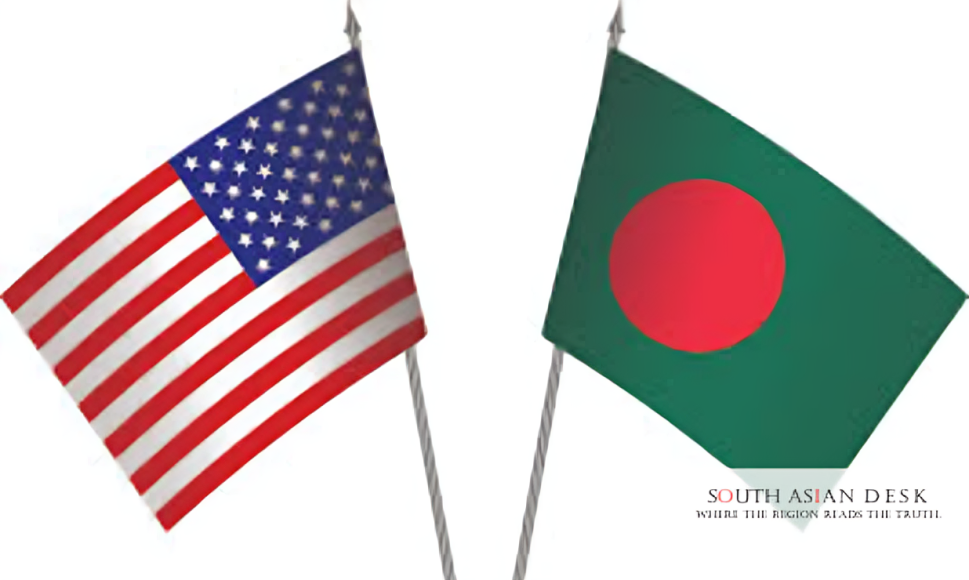
India’s major farm coalitions and political opposition have united against the recently announced India US trade deal, announcing strikes and rallies that could disrupt rural economies. The framework, released on 6 February, aims to boost bilateral trade but has sparked fears of adverse impact on Indian agriculture.
The Samyukt Kisan Morcha (SKM), representing over 100 farm groups, declared a nationwide strike on 12 February. Leaders argue the deal exposes local producers to subsidised US goods, potentially slashing prices and incomes. Opposition figures from the Indian National Congress echo these concerns, labelling the agreement a surrender of farm interests.
This backlash revives echoes of the 2020-21 farm law agitations, which forced policy reversals. In South Asia, where agriculture employs millions and underpins food security, such disputes could ripple into trade relations with neighbours like Pakistan and Bangladesh, affecting regional commodity flows.
Indian Farmers Protest Grows
Farm unions mobilised quickly after the 6 February joint statement from the US and India. SKM issued a press release stating the India US trade deal amounts to a complete surrender to US agricultural firms. National secretary Purushottam Sharma said: “We will not allow the government to open up the Indian farm sector for American companies.”
Rakesh Tikait, a prominent farmers’ leader, highlighted vulnerabilities. He noted US farmers benefit from larger holdings and higher subsidies, while Indian counterparts face rising costs and weak infrastructure. Tikait warned the deal would hurt Indian farmers, who are more vulnerable.
Apple growers in Kashmir added to the chorus. The Kashmir Valley Fruit Growers-cum-Dealers Union submitted a representation to Prime Minister Narendra Modi, stating over 700000 families rely on horticulture. They demanded import duties exceeding 100 per cent on US apples to shield local markets.
Protests are set for 12 February, with rallies planned in Delhi and state capitals. SKM called on members to block roads and hold demonstrations, urging widespread participation to pressure the government.
US Trade Pact Opposition Mounts
Political opposition amplified the outcry. The Indian National Congress termed the India US trade deal a total surrender of national interests. Party leader Pawan Khera questioned the lack of detailed product lists and tariff disclosures. He cited US Agriculture Secretary Brooke Rollins, who stated the pact would boost US farm exports to India and support rural America.
Congress spokesperson P Chidambaram argued the framework tilts heavily towards the US. He claimed asymmetry in benefits, with India reducing tariffs on US goods while gains for Indian exports remain limited.
Commerce Minister Piyush Goyal countered these claims in a 7 February briefing. He stated the government aggressively pushed farm interests in negotiations. Goyal emphasised protections for sensitive sectors like dairy and staples. He said: “We have focused on offensive interests along with protecting sensitive sectors.”
Goyal also addressed genetically modified imports, confirming no provisions allow them under the pact. He accused opposition of misleading the public and acting against farmers’ welfare.
The joint statement outlines tariff reductions. India agrees to cut duties on US industrial goods and select agricultural products, including dried distillers grains, red sorghum, tree nuts, fruits, soybean oil, wine, and spirits. In return, the US grants duty-free access for Indian basmati rice, fruits, spices, coffee, and tea.
Exclusions cover grains like rice, wheat, corn, and dairy. Tariffs on crude soyoil drop from about 16.5 per cent, raising concerns among domestic oilseed producers.
Impact on Indian Agriculture Detailed
The India US trade deal could reshape farming dynamics. Critics warn subsidised US imports may flood markets, depressing prices for oilseeds, soybeans, and peanuts. This might push farmers towards crops like corn and rice, despite government efforts to boost oilseed output.
Domestic processors fear surplus supplies of US dried distillers grains could weaken demand for local oilmeals, intensifying competition. Soybean farmers may face lower incomes, exacerbating rural distress.
On the positive side, exporters of tea, coffee, spices, and fruits stand to gain. The US zero-tariff access could expand markets, benefiting growers in states like Kerala and Tamil Nadu. Seafood exporters also see advantages from reduced US tariffs to 18 per cent.
However, unions argue overall impact on Indian agriculture leans negative. They point to US farm subsidies, estimated at USD 20 billion annually, dwarfing India’s support. Weak processing chains in India compound the disadvantage.
Apple and fruit sectors face specific threats. Kashmir’s horticulture, supporting 700000 families, risks undercutting from US imports. Duties on US apples under a tariff quota system may not suffice, per growers.
Broader economic data shows India’s agricultural exports at USD 55 billion, against USD 30 billion imports. The pact aims to balance this, but opposition fears it prioritises US gains.
Trade experts note non-tariff barriers addressed, including import licensing for US tech goods. India commits to reviewing standards within six months for positive outcomes.
Background on India US Trade Relations
Negotiations for the India US trade deal trace to February 2025, initiated by President Donald Trump and Prime Minister Narendra Modi. The interim framework advances a full Bilateral Trade Agreement.
Past tensions included US tariffs on Indian steel and India’s retaliatory duties. The 2026 pact resolves some, like removing a 25 per cent Russia-related tariff on Indian goods.
Agriculture remained a red line for India. Previous deals with EU, UK, and New Zealand excluded farm sectors, setting precedent. The US framework respects this partially, but concessions on select products sparked current US trade pact opposition.
What’s Next for the Dispute
Protests on 12 February could escalate if unmet demands persist. SKM seeks full disclosure of pact details and halts to signing. Government may engage dialogues, as in past agitations.
Opposition plans parliamentary debates when sessions resume. Trade talks with France, Brazil, and Canada loom, potentially influenced by this backlash.
Monitoring rural price impacts will be key. If imports surge, further Indian farmers protest may follow.
The India US trade deal hangs in balance amid growing scrutiny, with stakeholders watching for resolutions that safeguard Indian agriculture.
Published in SouthAsianDesk, February 10th, 2026
Follow SouthAsianDesk on X, Instagram and Facebook for insights on business and current affairs from across South Asia.