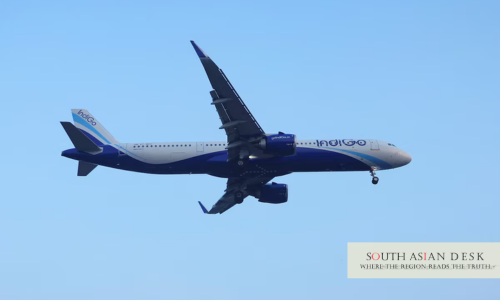
India’s Competition Commission launched an investigation into IndiGo CCI probe, on Thursday, December 18, 2025. The regulator reviews IndiGo antitrust allegations following widespread flight disruptions that cancelled thousands of services across the country in early December.
The Competition Commission of India (CCI) took suo motu cognisance of complaints against IndiGo. These complaints link the airline’s operational failures to potential IndiGo abuse of its dominant position. IndiGo holds more than 65% of the domestic market share.
The CCI has begun a preliminary assessment. It examines whether the disruptions constitute a violation under Section 4 of the Competition Act, 2002.
Details of the IndiGo CCI Probe
The IndiGo CCI probe originates from severe disruptions that began on December 2, 2025. IndiGo cancelled over 4,500 flights during the period, with daily cancellations sometimes exceeding 1,000.
The chaos resulted from the implementation of new Flight Duty Time Limitation (FDTL) norms, which took effect on November 1, 2025. These rules increased mandatory rest periods for pilots and imposed stricter limits on night duties. While other airlines adjusted schedules with minimal impact, IndiGo struggled due to inadequate planning. The airline later acknowledged gaps in roster management and pilot availability.
Passengers reported sudden cancellations followed by offers of alternative flights at much higher fares. One widely cited complaint involved a cancelled ticket that was rebooked at triple the original price.
The CCI focuses on route-specific dominance. IndiGo operates the majority of domestic routes and controls over 90 per cent of traffic when combined with the Air India Group.
Broader Implications of IndiGo Antitrust Allegations
IndiGo antitrust allegations highlight structural risks in India’s concentrated aviation market. Dominance itself is not illegal, but exploiting it through unfair pricing, reduced service quality, or exclusionary practices can trigger penalties.
The disruptions affected millions of travellers across South Asia. Business schedules collapsed, tourism bookings suffered, and family reunions faced delays. Fares on remaining flights surged sharply. Limited competition meant passengers had few affordable alternatives during the peak travel season.
If violations are established, the CCI can impose fines of up to 10 percent of the company’s average turnover over the previous three years. It may also issue cease-and-desist orders or mandate behavioural remedies. The case underscores the importance of robust consumer protection in essential services. It ensures market power benefits passengers rather than exploiting vulnerabilities.
By mid-December, IndiGo restored normal operations. It now flies over 2,200 daily services to 138 destinations and carries more than 350,000 passengers each day.
Background to the CCI IndiGo Antitrust Review
The revised FDTL norms were introduced to enhance pilot safety and reduce the risk of fatigue-related incidents. Weekly rest periods increased to 48 hours, and night duty restrictions tightened. IndiGo’s cost-efficient model traditionally operated with thin staffing margins. Critics argue that the airline delayed hiring despite months of advance notice about the changes.
Cancellations reached their peak in the first week of December. Major airports experienced long queues, piles of unclaimed baggage, and frustrated passengers. The Directorate General of Civil Aviation (DGCA) launched a separate inquiry. It directed IndiGo to reduce its winter schedule by 10 per cent and ensure prompt refunds.
Authorities temporarily capped fares on busy routes. Indian Railways operated special trains to accommodate stranded travellers. This marks one of the rare instances where the CCI examines dominance linked to operational failures rather than traditional cartel behaviour. Previous airline cases focused on coordinated fuel surcharges.
India’s domestic aviation sector continues to experience rapid expansion. Traffic volumes have surpassed pre-pandemic levels, making disruptions at dominant carriers particularly disruptive.
Passenger Impact and Market Dynamics
IndiGo processed refunds worth over INR 800 crore for cancelled bookings. Compensation claims for delays and inconveniences added further costs.
Social media platforms amplified passenger grievances. Hashtags criticising the airline trended nationally for days. Parliamentary discussions raised questions about regulatory oversight and market concentration risks.
The CCI IndiGo antitrust review scrutinises monopolistic practices on individual routes. IndiGo enjoys a near-exclusive presence on many secondary connections. Smaller competitors, such as Akasa Air and Air India Express, hold limited market shares. The duopoly structure restricts rapid capacity addition during crises.
Analysts draw parallels with essential sectors where concentration poses systemic risks. They advocate for balanced growth with adequate safeguards for competition. Recovery efforts included emergency roster revisions, crew reallocations, and schedule optimisation. IndiGo cleared its backlog of baggage and normalized on-time performance.
What’s Next in the IndiGo Abuse of Dominance Review
The IndiGo CCI probe now enters the detailed evaluation phase. The commission will decide whether to order a formal investigation by its Director General.
IndiGo has pledged full cooperation with the authorities. Operations remain stable with no further large-scale cancellations reported. Potential outcomes could set important precedents for dominant firms in regulated industries. They may influence future merger assessments and enforcement priorities.
Ongoing monitoring will ensure compliance with competition principles. It promotes greater resilience in aviation infrastructure. The IndiGo CCI probe serves as a reminder of the need for regulatory vigilance. It protects consumer interests while supporting sector growth in South Asia’s vital air travel market.
Future policy measures may address concentration proactively. Balanced competition remains crucial to sustainable growth and expansion.
Published in SouthAsianDesk, December 19th, 2025
Follow SouthAsianDesk on X, Instagram, and Facebook for insights on business and current affairs from across South Asia.