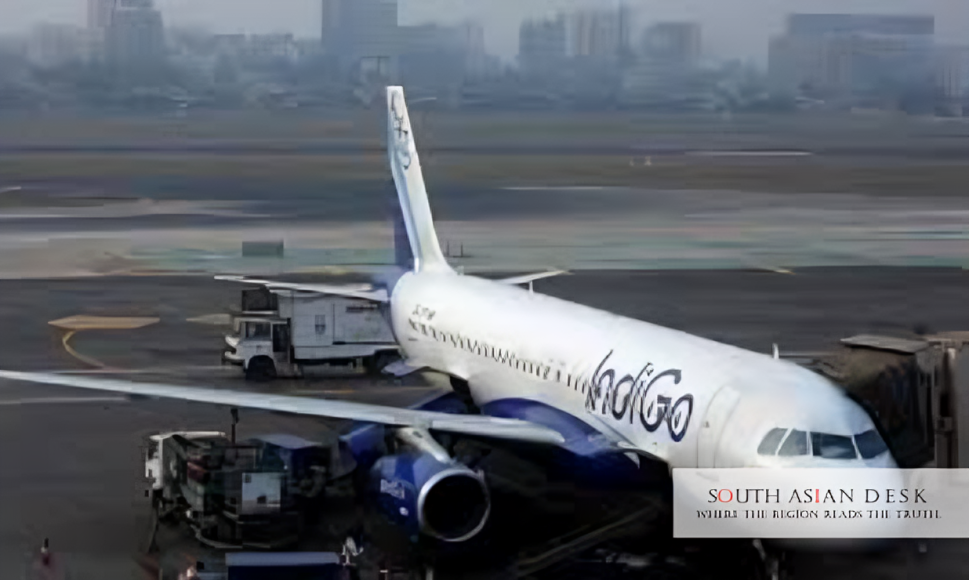
IndiGo flight cancellations totalled 385 across India on Saturday, December 6, 2025, leaving hundreds of passengers stranded at major airports despite government interventions to curb the India air travel chaos. The disruptions stem from a severe IndiGo pilot shortage triggered by new rostering rules effective November 1. Officials expect partial recovery within days.
The crisis, now in its fifth day, has paralysed domestic routes since early December. IndiGo, India’s largest carrier, handles over 60 per cent of short-haul flights. This week’s turmoil underscores vulnerabilities in the aviation sector, vital for South Asia’s connectivity. With millions relying on affordable air links for business, tourism, and family ties, the IndiGo flight cancellations threaten economic ripple effects across borders, from migrant workers in the Gulf to traders in Pakistan and Bangladesh. Delays compound costs for perishable goods transport and festival travel, amplifying regional strain.
India Air Travel Chaos Eases but IndiGo Pilot Shortage Persists
The Directorate General of Civil Aviation (DGCA) acted swiftly on Friday, December 5, by suspending key provisions of the revised Flight Duty Time Limitations (FDTL) norms. These rules, aimed at enhancing pilot rest and curbing fatigue, mandated stricter weekly off periods and night flying restrictions from November 1. IndiGo’s admission of inadequate pre-planning led to widespread roster gaps, fuelling the IndiGo pilot shortage.
Data from airport authorities reveal the scale. At Bengaluru’s Kempegowda International Airport, 124 IndiGo flights faced cancellation by midday Saturday. Mumbai’s Chhatrapati Shivaji Maharaj International Airport reported 109 axed services, while New Delhi’s Indira Gandhi International Airport logged 86 and Hyderabad’s Rajiv Gandhi International Airport 66. Overall, more than 1,000 IndiGo flight cancellations occurred on Friday alone, pushing the weekly tally into thousands.
Passengers described scenes of frustration. At Mumbai airport, crowds gathered outside terminals, some sleeping on floors overnight. “I am waiting for my luggage to be returned,” said Satish Konde, a Bengaluru resident whose flight to Delhi was scrubbed twice. Similar accounts emerged from Delhi, where families with young children waited hours for updates.
IndiGo’s official responses on X (formerly Twitter) highlight refund processes. In multiple posts, the airline stated: “Our sincere apologies for the inconvenience caused. The cancellations and delays were part of a necessary step to stabilise our network, and refunds for impacted bookings are now being initiated. The amount will reflect in your original mode of payment within 3-5 business days.” Affected travellers can rebook via the website, with full waivers on rescheduling fees for dates between December 5 and 15, 2025.
Support measures include arranged hotel rooms, surface transport options, and food provisions at airports. Lounge access prioritises senior citizens. IndiGo expanded its contact centre to cut wait times, urging passengers to check flight status online rather than visit terminals unnecessarily.
IndiGo Stranded Passengers Seek Alternatives Amid Disruptions
For IndiGo stranded passengers, the human cost mounts. Reports from Delhi and Chennai airports indicate halts on all domestic departures until 6pm Saturday due to crew shortages. Chennai services resumed partially by evening, but full schedules remain uncertain.
The IndiGo pilot shortage traces to recruitment challenges. Sources close to the matter note a surge in poaching by international carriers like Emirates, targeting Delhi and Mumbai bases. IndiGo informed the DGCA on Thursday that normal operations might not resume until February 10, 2026, though public statements project stability by December 10-15.
Other airlines escaped major hits. Air India and Akasa Air reported no cancellations tied to FDTL changes, thanks to proactive rostering. However, the broader India air travel chaos rippled outward, with Delhi airport noting steady resumption but advising caution.
Government relief extended beyond aviation. The Ministry of Civil Aviation deployed special trains to ferry stranded flyers from key hubs. Fare caps on select routes aim to prevent gouging by competitors. A high-level probe into the episode was ordered Friday, focusing on compliance lapses.
In South Asia, the fallout resonates. Pakistan’s aviation links to India, though limited, face indirect pressure on regional hubs like Dubai. Bangladeshi expatriates routing through Delhi report booking scrambles. The crisis highlights shared challenges in pilot training and retention, with bodies like the International Civil Aviation Organisation monitoring fatigue norms continent-wide.
Background: Roots of the IndiGo Pilot Shortage
The saga began with DGCA’s phased FDTL overhaul. Phase one launched in June 2025, targeting rest enhancements. Phase two, from November 1, barred pilots from flying after three consecutive night duties and enforced 48-hour weekly rests. IndiGo, with its lean fleet of over 400 aircraft, struggled to buffer against these shifts.
Pre-deadline hiring fell short. Industry estimates peg India’s pilot deficit at 1,500, exacerbated by global demand. IndiGo’s market dominance serving 90 domestic destinations magnifies any glitch. Past incidents, like 2023’s system outages, pale against this rostering meltdown.
Official data underscores urgency. DGCA logs show IndiGo’s on-time performance dipped below 50 per cent this week, versus a national average of 75 per cent. Passenger rights under the 2019 Carriage by Air Act entitle refunds within seven days for cancellations, plus compensation up to INR 10,000 for delays over three hours.
What’s Next for IndiGo Flight Cancellations
As IndiGo flight cancellations taper, focus shifts to accountability. The DGCA’s exemptions, valid until February 10 for night duties, buy time but spark debate on safety trade-offs. Congress MP Karti Chidambaram criticised the dual failures: “DGCA had earlier given a directive to airlines to enforce a mandatory rest period for flying crew.”
IndiGo pledges incremental fixes, including accelerated recruitment. Travellers should monitor apps for real-time alerts. Regional carriers may absorb overflow, but sustained India air travel chaos risks eroding trust in low-cost models.
In the end, IndiGo flight cancellations serve as a wake-up call for resilient aviation infrastructure across South Asia, ensuring smoother skies for all.
Published in SouthAsianDesk, December 6th, 2025
Follow SouthAsianDesk on X, Instagram, and Facebook for insights on business and current affairs from across South Asia.