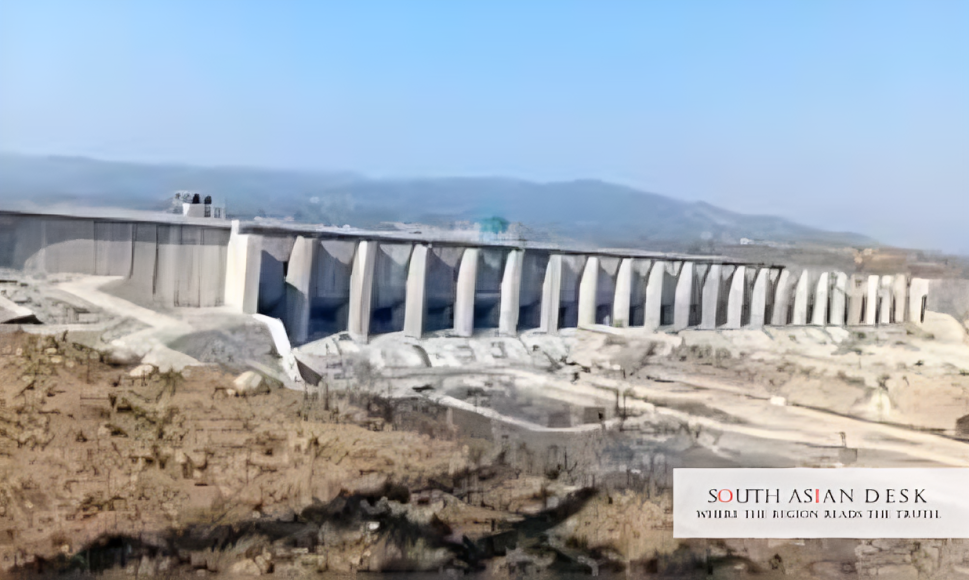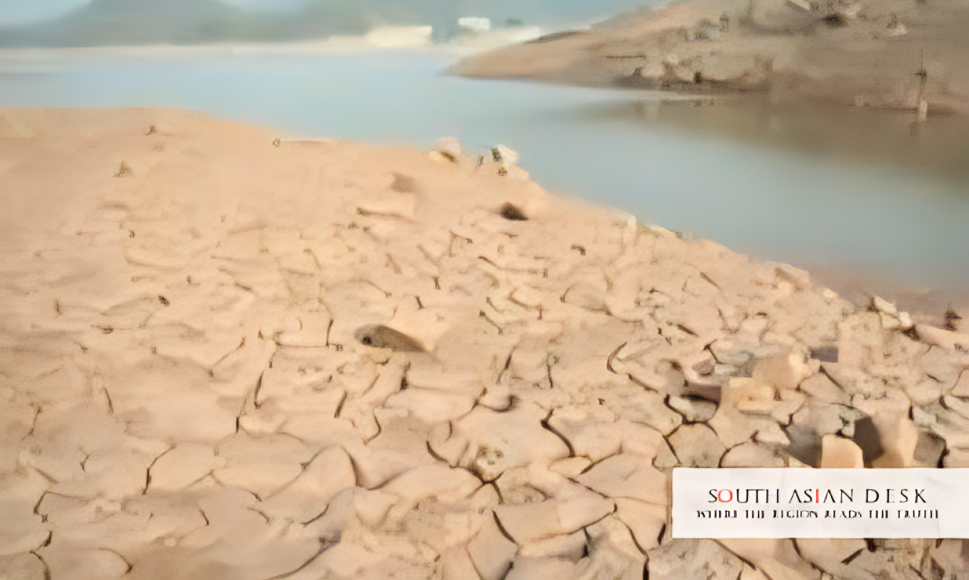
Pakistan rejects India’s suspension of the Indus Waters Treaty as water terrorism, vowing to safeguard fertile plains from desertification in a heated UN Security Council debate.
Pakistan’s ambassador to the United Nations, Asim Iftikhar Ahmad, addressed the Security Council on 27 January 2026. He condemned India’s suspension of the Indus Waters Treaty as a breach that threatens millions. The debate in New York followed India’s announcement to hold the treaty in abeyance over terrorism claims. Pakistan’s representative used the right of reply to pledge resistance against what he called an attempt to cause desertification.
The escalation in the Pakistan India water dispute highlights risks to regional stability. With water resources shared under the 1960 treaty, any disruption could affect agriculture and livelihoods across borders. In South Asia, where populations depend on the Indus basin, such actions raise concerns over broader conflicts.
Pakistan India Water Dispute Escalates at UN
During the high-level open debate on reaffirming international rule of law, Ambassador Ahmad described India’s move as “another blatant breach of international obligations, threatening the lives and livelihoods of millions and endangering peace and security.” He added that “Pakistan rejects the weaponisation of water and other natural resources. Treaty compliance is a cornerstone of the international legal order.”
India’s Ambassador Parvathaneni Harish responded by reaffirming that “the treaty will be held in abeyance until Pakistan credibly and irrevocably ends its alleged support for cross-border and all other forms of terrorism.” This stance ties the Indus Waters Treaty to security issues, including a May 2025 conflict where India launched Operation Sindoor.
Pakistan’s right of reply came from representative Zulfiqar Ali. He stated: “By unilaterally and illegally suspending the Indus Waters Treaty, India now seeks to bring about the desertification of Pakistan’s ancient fertile plains.” Ali vowed: “We will counter this latest provocation, this water terrorism with the same resolve, clarity, and success with which we defended our country against India’s aggression in May last year.”
The Pakistan India water dispute has roots in post-partition arrangements. The Indus Waters Treaty, brokered by the World Bank, allocates waters from the Indus, Jhelum, and Chenab rivers to Pakistan, while India controls the Ravi, Beas, and Sutlej. Disputes over projects like Kishanganga and Ratle have led to neutral expert interventions in the past.
Desertification Pakistan Threats Amid Water Shortages
Desertification Pakistan poses a severe risk if the Indus Waters Treaty suspension persists. Pakistan’s fertile plains in Punjab and Sindh rely on Indus flows for irrigation. Without them, arid zones could expand, affecting 40 million people directly dependent on agriculture.
Ali dismissed India’s terrorism claims as “spurious” and an “old ploy” to deflect from its occupation of Jammu and Kashmir. He criticised India’s policies, noting state-sanctioned actions against minorities. This ties the water issue to broader geopolitical tensions.
Water security Pakistan is at stake, with experts warning of reduced flows leading to crop failures and migration. The treaty has held for 65 years, surviving wars, but India’s January 2025 suspension marks a new low. Pakistan’s Ministry of Foreign Affairs spokesperson, in remarks on 3 January 2026, stated: “The Indus Waters Treaty is an international agreement concluded in good faith and at considerable cost. Any unilateral violation of the Treaty by India would undermine regional stability and call into question its credibility as a state that claims to respect international legal obligations.”
Pakistan affirmed it would take all necessary measures to safeguard its rights under the treaty. This includes potential appeals to the World Bank or international courts.
Background on the Indus Waters Treaty
The Indus Waters Treaty was signed on 19 September 1960 in Karachi by Pakistan’s President Ayub Khan and India’s Prime Minister Jawaharlal Nehru. It divides the six rivers of the Indus system, ensuring Pakistan receives about 80 percent of the water. The World Bank facilitated the pact after years of negotiations.
Disputes have arisen over India’s hydroelectric projects. In 2023, Pakistan requested neutral expert proceedings for Kishanganga and Ratle. The current suspension stems from India’s response to alleged terrorism, including the May 2025 conflict. India claims Operation Sindoor was a targeted strike, but Pakistan views it as aggression.
Ambassador Ahmad referenced Article 51 of the UN Charter, stating Pakistan exercised self-defence “in a responsible, restrained and proportionate manner.” He added: “Our response established that there can be no ‘new normal’ based on coercion or impunity. Respect for international law remains the only legitimate norm governing inter-State conduct.”
The root cause, according to Pakistan, is India’s occupation of Jammu and Kashmir, violating Security Council resolutions. This links water security Pakistan to unresolved territorial issues.
India’s Instagram post from its UN mission on 27 January 2026 noted: “Thousands of Indian lives have been lost in Pakistan sponsored terror attacks. India was compelled to finally announce that the treaty will be held in abeyance”
Impacts on Water Security Pakistan
Water security Pakistan faces immediate threats from the treaty suspension. The Indus basin irrigates 14 million hectares in Pakistan, producing wheat, rice, and cotton worth billions. A 2024 UN report estimated that desertification affects 68 percent of Pakistan’s land, exacerbated by climate change and over-extraction.
In the debate, Pakistan warned that disregarding treaties sets dangerous precedents. Ali accused India of spreading falsehoods and orchestrating assassinations. This rhetoric underscores the deepening Pakistan India water dispute.
Experts note that without resolution, conflicts could escalate. The treaty includes provisions for arbitration, but unilateral suspension bypasses them. Pakistan’s vow to prevent desertification includes bolstering domestic water management, such as the Green Pakistan Initiative, which aims to plant 10 billion trees.
What’s Next
Diplomatic efforts may focus on third-party mediation. The World Bank, as treaty signatory, could intervene. Pakistan plans to raise the issue at upcoming UN forums, seeking condemnation of the suspension. India maintains its position until terrorism concerns are addressed.
Both nations have expelled diplomats and closed airspace in retaliation. Economic impacts include potential losses of PKR 500 billion annually for Pakistan’s agriculture if flows reduce.
The crisis tests international law’s efficacy in South Asia. As tensions rise, observers watch for de-escalation talks.
Pakistan remains committed to defending the Indus Waters Treaty to ensure water security and avert desertification.
Published in SouthAsianDesk, January 28th, 2026
Follow SouthAsianDesk on X, Instagram and Facebook for insights on business and current affairs from across South Asia.