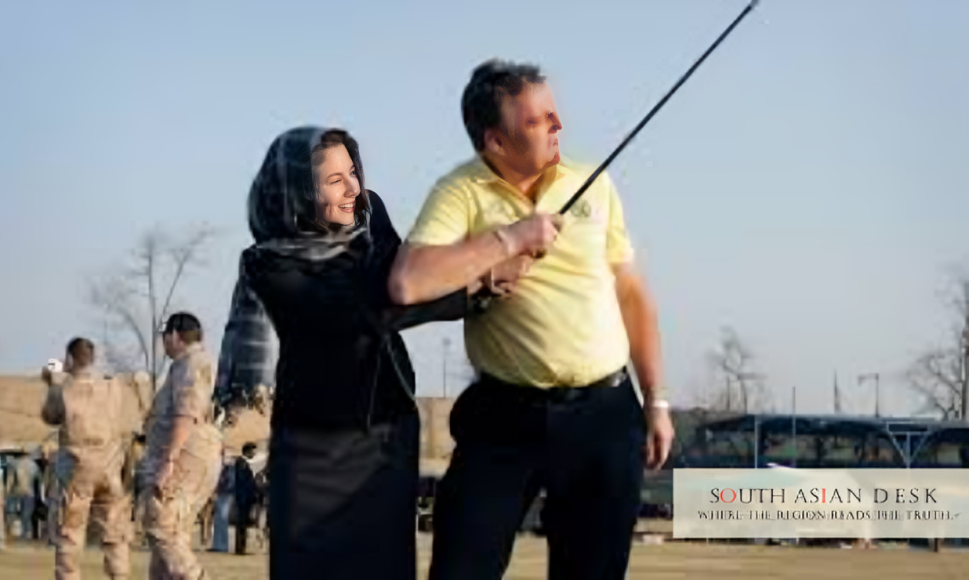
IOC Taliban talks have opened a narrow path for Afghan women athletes to reclaim their place in sports, amid ongoing restrictions imposed by the Taliban. On Friday, Samira Asghari, Afghanistan’s representative on the International Olympic Committee, revealed progress in these discreet discussions.
The talks centre on allowing primary school girls to participate in sports, a step that could challenge the Taliban’s three-year ban on female athletic involvement. Held virtually and in person since early 2025, the negotiations involve IOC officials and Taliban sports ministry representatives. Asghari, speaking from exile in Australia, stressed the urgency. No formal agreement emerged yet, but sources confirm both sides committed to further meetings by mid-2026. This development arrives as the world eyes the 2026 Winter Olympics in Milan-Cortina.
These IOC Taliban talks carry weight across South Asia, where women’s rights under conservative regimes echo concerns in Pakistan and India. In a region home to 800 million women facing similar barriers to education and recreation, any Taliban concession could inspire advocacy groups from Islamabad to New Delhi. Pakistan’s own debates on female cricket participation, for instance, draw parallels to Afghan struggles. Success here might pressure other nations to align sports policies with gender equity, boosting regional solidarity on human rights. For South Asian viewers, the story underscores how global bodies like the IOC can bridge divides in conflict zones, potentially averting a “lost generation” of talent.
Samira Asghari IOC Role Fuels Optimism in Taliban Women Sports Dialogue
Samira Asghari IOC efforts anchor the current push. Appointed in 2018 as Afghanistan’s first female IOC member, she defected in 2021 after the Taliban’s return to power. Now based in Melbourne, Asghari coordinates with IOC President Thomas Bach’s team. In an email interview with Agence France-Presse on 12 December, she stated: “As long as the Taliban remain the reality on the ground in Afghanistan, we cannot afford to waste time doing nothing.”
Her involvement stems from personal experience. A former national basketball player, Asghari competed internationally in the 2000s. She fled to Iran during the Taliban’s first regime from 1996 to 2001, returning only after their ouster. That era left deep scars: women lost access to education and sports, creating gaps that persist today. Asghari now warns against repetition. “I cannot accept seeing this happen again. That’s why even small opportunities matter so much,” she told AFP.
The IOC Taliban talks target these “small openings.” Taliban rules bar girls over 12 from secondary schools and all organised sports. Women face exclusion from gyms, parks, and public events. Data from the United Nations Educational, Scientific and Cultural Organisation shows 1.1 million Afghan girls out of school since August 2021. Sports access compounds this isolation. Asghari links Taliban international legitimacy to reform. “Their acceptance is directly linked to respecting human rights, including the rights of women to education and sport,” she said.
IOC guidelines, updated in 2022, require gender parity in national committees. Afghanistan’s suspended Olympic body complies minimally, sending only male athletes to events like the 2024 Paris Games. Asghari attended the Islamic Solidarity Games in Riyadh last month, where Afghan men competed but women did not. She hopes alignment with FIFA could extend gains. Afghan Women United, an exile football team, played in Morocco’s FIFA Unites series in October 2025, scoring a 3-1 win over refugees from other nations.
Challenges Persist for Afghan Women Athletes Under Taliban Women Sports Bans
Afghan women athletes endure severe hurdles in Taliban women sports landscape. Over 500 elite female competitors fled post-2021, per International Olympic Committee estimates. Those remaining train in secret or abandon pursuits altogether. In Kabul, a 2024 survey by Human Rights Watch found 80 percent of girls aged 10-14 unaware of sports as an option
The bans trace to August 2021 decrees. Taliban spokespersons cited “cultural norms,” but critics call it systemic erasure. No women represented Afghanistan at the 2022 Beijing Winter Olympics. IOC Executive Board statements from December 2022 condemned the restrictions, warning of full suspension. “The IOC expresses serious concern and strongly condemns the Taliban’s latest restrictions on women and young girls,” read a press release. That policy holds, with no update since.
Samira Asghari IOC advocacy pushes back. She met Taliban officials in Doha in September 2025, per IOC logs. Discussions covered safe spaces for primary school sports, where girls attend up to grade six. Taliban delegates, led by acting Sports Minister Mullah Abdul Salam Hanafi, listened but offered no commitments. A follow-up virtual session occurred on 10 December. Asghari described it as “constructive.”
Exile communities amplify voices. In Australia, 200 Afghan women athletes formed training hubs. Pakistan hosts 150 refugees in Peshawar camps, some coaching local girls. India’s Badminton Association invited Afghan exiles for trials in 2024. These networks sustain hope, but Asghari insists ground-level change is key. “I believe strongly in communication and engagement,” she affirmed.
Background: Taliban Women Sports Restrictions and Global Backlash
The Taliban seized Kabul on 15 August 2021, ending a 20-year US-led era. Within weeks, edicts barred women from most public roles. Sports fell first: female gyms closed, national teams disbanded. By 2022, the IOC halted funding to Afghanistan’s committee, channelling aid to exiles instead.
Historical precedent looms large. During 1996-2001, similar bans isolated Afghanistan globally. No athletes attended the 2000 Sydney Olympics. Post-2001 reforms saw women like Asghari shine: she captained the basketball team to Asian Championships. Today, 39 million Afghans, half female, grapple with 97 percent youth unemployment among women, per World Bank 2025 data.
South Asian ties add layers. Pakistan’s government, under pressure from Islamist groups, delayed women’s cricket tours until 2023. India banned Taliban officials from events. Regional forums like SAARC stalled on gender agendas. IOC Taliban talks could ripple: if primary sports open, it might ease cross-border exchanges, like joint training with Pakistani federations.
Human rights bodies track progress. Amnesty International’s March 2025 report urged FIFA to recognise exile teams fully. UN Special Rapporteur on Afghanistan, Richard Bennett, called for “non-negotiable” rights in a June statement. Yet Taliban defiance persists. No female ministers serve; public parks segregate by gender.
Samira Asghari IOC and Exile Athletes: Stories of Resilience
Spotlight falls on Afghan women athletes like Feroza Amini, a taekwondo black belt now coaching in Germany. She trained 50 girls pre-2021 but fled after threats. “Sports gave me wings; the Taliban clipped them,” Amini said in a 2024 IOC video. Similar tales emerge from cyclists and judokas scattered across Europe.
Samira Asghari IOC bridges this diaspora. She lobbied at the 2025 IOC Session in Milan, securing pledges for refugee quotas. “Continued engagement and dialogue” remains her mantra. Taliban women sports bans affect 20 million females, per UN estimates. Lifting them could add PKR 500 million in economic value through tourism and health gains, analysts project.
In South Asia, parallels stir debate. Bangladesh’s women’s cricket team eyes Afghan models for resilience. Sri Lanka’s sports ministry pledged aid in November 2025.
What’s Next: Momentum in IOC Taliban Talks
IOC Taliban talks schedule three more rounds by March 2026. Asghari eyes pilot programmes in Herat and Kandahar provinces. Success hinges on Taliban buy-in. Exile athletes prepare contingencies, with trials for 2028 Los Angeles Games underway.
Global watchdogs monitor closely. If reforms stall, IOC suspension looms. For now, these talks signal possibility. Afghan girls in primary schools might soon kick a ball, run a lap. Small steps toward equity. Samira Asghari IOC vision endures: dialogue over isolation, hope over despair.
Published in SouthAsianDesk, December 13th, 2025
Follow SouthAsianDesk on X, Instagram, and Facebook for insights on business and current affairs from across South Asia.