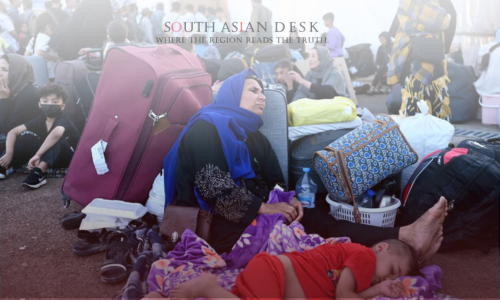
Since early June 2025, approximately 450,000 Afghans have returned to Afghanistan from Iran following a stringent government directive issued in late May, setting a July 6 deadline for undocumented migrants to leave. The United Nations migration agency reported over 256,000 crossings in June alone, with daily peaks reaching 40,000 at the Islam Qala border in Herat province. This mass exodus, driven by arrests, property seizures, and cancellations of rental contracts, affects an estimated four million undocumented Afghans among the six million residing in Iran. Many returnees, including a significant number of families with women and children, arrive exhausted, hungry, and with minimal possessions, exacerbating Afghanistan’s humanitarian crisis.
Iranian authorities justify the crackdown by citing national security and resource limitations, with some linking it to heightened tensions after a 12-day conflict with Israel in June 2025. Reports indicate that Afghans faced increased discrimination, with allegations of spying fueling anti-Afghan sentiment. The United Nations warns that forced returns risk destabilizing Afghanistan, where over half the population depends on humanitarian aid amid severe poverty and unemployment. Only 10% of returnees receive assistance due to funding shortages, with the UN’s $216 million appeal for Afghanistan in 2025 funded at just over 25%. Local Afghan officials in Herat and Nimroz have urged global support to address the strain on resources, as many returnees face uncertainty, with some contemplating re-migration to Iran or Pakistan due to lack of opportunities.
Published in SouthAsianDesk, July 9th, 2025
Follow SouthAsianDesk on X, Instagram and Facebook for insights on business and current affairs from across South Asia.