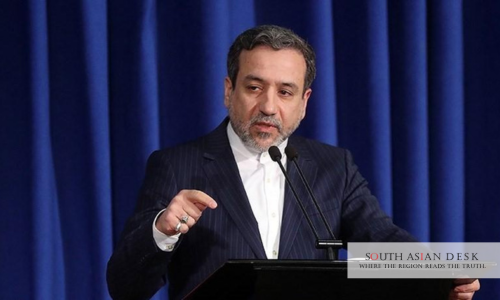
Iran urges dialogue between Pakistan and Afghanistan during a phone call with his Pakistani counterpart on Saturday, November 8, 2025, at 4:35 PM. The discussion centered on mediating tensions along the Pak-Afghan border. Araghchi offered Iran’s assistance. It followed failed Istanbul negotiations. The call highlighted Iran’s role in the Kabul-Islamabad talks.
This intervention carries weight in South Asia, where Pakistan-Afghanistan frictions threaten trade routes vital to $10 billion annual cross-border commerce. Escalations displace thousands and fuel militancy, echoing spillover risks seen in India’s northwest. Stable ties bolster the China-Pakistan Economic Corridor, impacting regional energy flows from Iran. Without resolution, refugee surges could strain resources in already volatile border provinces.
Iran Urges Dialogue Between Pakistan and Afghanistan After Failed Talks
Araghchi spoke with Pakistani Deputy Prime Minister and Foreign Minister Mohammad Ishaq Dar. The call came after the third round of Istanbul talks ended without agreement. Mediators included Qatar and Turkey. Afghan officials hosted two prior sessions there. One occurred in Doha.
Araghchi stressed continued dialogue. He called for regional cooperation to resolve differences. Iran stands ready to assist in any form. He noted the importance of ties between the two Muslim neighbours. Dar echoed the need for regional peace and stability. The Islamic Emirate of Afghanistan’s chief spokesman described Pakistan’s stance as irresponsible. He cited uncooperative behaviour despite Afghan goodwill. No breakthroughs emerged.
This marks Tehran’s latest effort to mediate tensions on the Pakistan-Afghanistan border. Tensions spiked after Pakistani strikes on Afghan soil. Afghan forces retaliated. Clashes have displaced 5,000 civilians since October 2025. Iran’s Foreign Ministry issued a statement in response to the call. It reaffirmed commitment to de-escalation.
Pak-Afghan Border Tensions Mediation Gains Regional Focus
Pak-Afghan border tensions intensified in October 2025, with mediation efforts. Pakistani forces targeted alleged militant hideouts. Afghan border guards responded with artillery. Incidents occurred near Torkham and Chaman crossings. These handle 40% of bilateral trade. Data from Pakistan’s Frontier Corps logs 12 cross-border firings in the past month. Afghan reports tally eight violations. Casualties reached 25, including 12 soldiers.
Previous mediation yielded partial ceasefires. The October 13 truce held briefly. Iran welcomed it via spokesman Esmail Baqaei. He urged restraint and respect for sovereignty. Baqaei stated on October 16: Iran expresses satisfaction with the ceasefire. Dialogue must commence immediately to de-escalate and resolve issues diplomatically. Iran offers assistance to preserve calm.
Regional players watch closely. China hosted trilateral talks in September 2025. Outcomes focused on counter-terrorism. Iran’s proximity drives its stake. Shared borders span 945 km with Afghanistan. Instability aids smuggling networks.
Iran’s Role in Kabul-Islamabad Talks Builds on Prior Efforts
Iran’s role in the Kabul-Islamabad talks dates to 2020. Tehran hosted early Taliban dialogues. Recent offers align with that legacy.
Araghchi’s call builds on Baqaei’s remarks from October 12. He voiced concern over developments. Mutual respect for integrity is essential. Dialogue prevents escalation. Iran prioritises stability in its neighbourhood. Baqaei added: Effective measures combat terrorism through multilateral cooperation.
Pakistan values the overture. Dar’s office confirmed the exchange. It seeks to expand ties in security and the economy. Afghan officials remain cautious. The spokesman blamed external factors for stalemates. Mediators, such as Turkey, report progress on confidence-building.
A broader Iranian role in Kabul-Islamabad talks includes economic incentives. Tehran proposes joint border markets. Trade volumes reached $2 billion yearly, pre-pandemic. UN data shows 1.3 million Afghan refugees in Pakistan. Returns surged 20% amid clashes.
Background: Escalating Frictions Along the Durand Line
The Durand Line divides Pakistan and Afghanistan over 2,600 km. Disputes trace back to 1893. Taliban rejection fuels perennial rows. October 2025 clashes stemmed from Pakistani accusations of the Taliban harbouring militants. Groups like TTP launched 150 attacks on Pakistan this year. Afghan denials followed.
Istanbul rounds aimed at de-escalation. First, in late September, patrol protocols were implemented. Second, in early October, discussed fencing. Third faltered on sovereignty. Iran’s involvement increased after the 2021 Taliban takeover. Tehran engages Kabul on water rights and refugees. Bilateral trade reached $1.5 billion in 2024.
Pakistan-Afghanistan trade fell 15% to $1.8 billion in 2025. Disruptions cost $100 million monthly. Regional forums, such as the SCO, addressed the issue of spillover in November 2025. Members urged inclusive talks. Iran’s readiness echoes the 2020 Doha support. Then, Tehran backed intra-Afghan peace.
What’s Next for Pak-Afghan Border Tensions Mediation
A fourth Istanbul round is eyed for mid-November 2025. Iran may join as an observer. Technical teams prepare agendas on fencing and patrols. Bilateral hotlines activate post-call. Pakistan plans a visit to Kabul. Economic forums in Tehran discuss revival. Joint anti-smuggling ops launch in December 2025.
Donors pledge $50 million for border stabilisation. World Bank leads. Iran urges dialogue between Pakistan and Afghanistan, setting a collaborative tone. It promises pathways to enduring calm in a fractious frontier.
Published in SouthAsianDesk, November 9th, 2025
Follow SouthAsianDesk on X, Instagram, and Facebook for insights on business and current affairs from across South Asia.