Pakistan’s Deputy Prime Minister and Foreign Minister Ishaq Dar engaged in pivotal Ishaq Dar EU GSP+ talks with European Council President António Costa in Brussels on Tuesday. The discussions centred on renewing the Generalised Scheme of Preferences Plus (GSP+) status. This scheme bolsters Pakistan’s trade ties with the 27-nation bloc. The meeting occurred amid rising bilateral commerce volumes.
These Ishaq Dar EU GSP+ talks hold profound implications for South Asia’s economic landscape. Pakistan relies on the EU market for over 12 per cent of its total trade. The GSP+ framework has driven job creation in textiles and agriculture. It also aids regional stability by fostering diversified export avenues. Success here could inspire similar pacts across the subcontinent. Failure risks economic setbacks in a volatile geopolitical environment.
Pakistan GSP+ Renewal in Spotlight During Dar-Costa Meeting
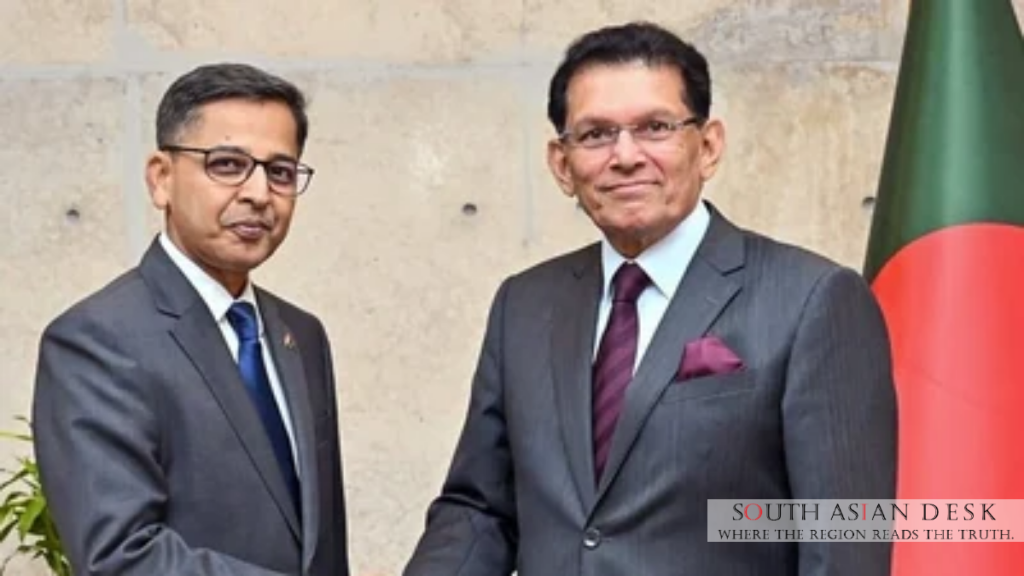
Deputy Prime Minister Ishaq Dar called on European Council President António Costa at the EU headquarters in Brussels on 19 November 2025. The encounter formed part of Dar’s official visit to the Belgian capital. Both leaders reviewed the trajectory of Pakistan-EU relations. They expressed satisfaction with progress made since the GSP+ scheme’s inception.
The delegations delved into core areas of mutual interest. Topping the agenda was the Pakistan GSP+ renewal Dar Costa meeting. Pakistan seeks smooth extension beyond 2027. The current arrangement, extended in October 2023 for four years, grants duty-free access for most Pakistani goods. This includes textiles, leather and sports goods.
Ishaq Dar highlighted the scheme’s transformative impact. Since 2014, Pakistani textile exports to the EU surged by 108 per cent. Official data from the European Commission shows total bilateral trade hit $12.1 billion in 2024. Pakistan ranks as the EU’s 48th largest trading partner. The EU accounts for 12.4 per cent of Pakistan’s global trade.
Both sides reaffirmed commitment to multilateralism. They pledged to deepen ties amid global challenges. Dar appreciated EU support on bilateral and multilateral fronts. “I acknowledge and appreciate the EU’s support to Pakistan both bilaterally and on multilateral platforms,” Dar stated during the talks, according to a Radio Pakistan report.
Costa echoed the sentiment. The leaders agreed to advance common priorities. This includes expanding EU Pakistan trade cooperation Dar Brussels initiatives. Discussions touched on regional security and economic diversification.
EU Pakistan Trade Cooperation Gains Momentum in Brussels
The Pakistan GSP+ renewal Dar Costa meeting extended beyond tariffs. Leaders explored avenues for broader economic integration. Pakistan’s exports to Europe rose 8.62 per cent in the first 10 months of fiscal year 2025. This reached $7.553 billion, up from $6.954 billion the prior year.
Such growth underscores GSP+’s role in Pakistan’s economy. The scheme covers 27 international conventions on human rights, labour and environment. Compliance ensures continued benefits. EU officials monitor progress annually. A delayed monitoring mission, postponed from June due to the Iran-Israel conflict, now looms large.
Dar’s itinerary in Brussels reinforced these goals. He met key Members of the European Parliament over dinner at Pakistan House. Exchanges focused on enhancing cooperation in trade, climate and security. Ambassador Rahim Hayat Qureshi and Foreign Secretary Amna Baloch accompanied Dar.
The visit aligns with the Pakistan-EU Strategic Engagement Plan 2019. This roadmap guides collaboration across sectors. Dar will co-chair the seventh Pakistan-EU Strategic Dialogue on 20-21 November 2025. The forum reviews implementation and sets future benchmarks.
Broader EU Pakistan trade cooperation Dar Brussels efforts include the fourth EU-Indo-Pacific Ministerial Forum. Pakistan participates to voice South Asian perspectives. Dar plans bilateral meetings with EU counterparts. These aim to iron out trade barriers and boost investment flows.
Official statements emphasise mutual benefits. The Ministry of Foreign Affairs noted the “positive trajectory” of relations. Both parties aim to strengthen partnerships across domains. This covers energy, digital economy and sustainable development.
Trade data paints a robust picture. In 2023, bilateral exchanges totalled €10.6 billion. Pakistan’s agricultural exports to the EU, aided by GSP+, targeted markets like Italy and Germany. A 2025 study in Sage Journals confirmed the scheme’s boost to agro-exports.
Challenges persist. The EU urges Pakistan to enhance governance and labour standards. A Daily Times report cited EU calls for Pakistan to “do more” in GSP+ reviews. Dar’s team stressed ongoing reforms. These include judicial and environmental measures.
Background: Evolution of GSP+ and Its Economic Anchor
The EU launched GSP+ in 2005 to aid developing nations. Pakistan qualified in 2014 after ratifying core conventions. The scheme slashed tariffs on 66 per cent of tariff lines. This opened doors for over 100 product categories.
Initial impacts were swift. Textile shipments doubled within years. By 2024, the sector employed millions. GSP+ also diversified exports beyond rice and cotton. Leather goods and surgical instruments gained traction. The 2023 extension averted a trade cliff. Without it, duties could rise 12 per cent on average. This would erode competitiveness. Pakistan’s government invested PKR 50 billion in compliance infrastructure last year.
EU assessments praise progress. Yet, gaps in enforcement remain. The upcoming monitoring mission will scrutinise 2024-2025 records. Positive findings could pave the way for early renewal talks. In South Asia, GSP+ sets a template. Neighbours like Bangladesh eye similar deals. It counters over-reliance on Asian markets. For Pakistan, it sustains remittances and forex reserves.
What’s Next in Ishaq Dar EU GSP+ Talks
The seventh Pakistan-EU Strategic Dialogue kicks off Thursday. Dar leads the delegation. Agenda items include GSP+ implementation and green trade. Outcomes could shape 2026 priorities. The Indo-Pacific Forum follows. It addresses maritime security and supply chains. Pakistan seeks EU investment in ports and logistics.
A GSP+ monitoring team visits Islamabad soon. Delays from regional tensions underscore urgency. Successful audits bolster renewal prospects. These steps build on Ishaq Dar EU GSP+ talks. They signal intent to elevate ties. Pakistan eyes €15 billion in trade by 2030. As deadlines approach, the Pakistan GSP+ renewal Dar Costa meeting emerges as a cornerstone. Ishaq Dar EU GSP+ talks promise sustained gains for exporters. Brussels’ commitments now demand action in Islamabad. With vigilance, this partnership fortifies South Asia’s trade future.
Published in SouthAsianDesk, November 20th, 2025
Follow SouthAsianDesk on X, Instagram, and Facebook for insights on business and current affairs from across South Asia.