Jashore, Bangladesh – The once-thriving aquaculture hub of Jashore is grappling with a devastating blow as relentless rainfall has inflicted a staggering Tk 133.43 crore loss on its Jashore fisheries sector. Families who have poured their lives into fish farming now face ruin, their livelihoods washed away by floods that have submerged ponds and enclosures across the district. The scale of this tragedy, the worst in four decades, has left communities reeling, yet their resilience shines through as they cling to hope for recovery.
Impact on Jashore Fisheries
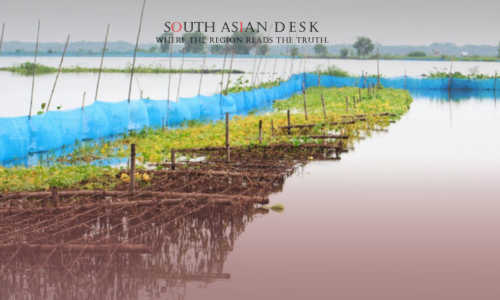
The district fisheries office reports that continuous downpours have inundated 6,219 fish farms across eight upazilas, affecting 5,408 farmers and a vast 4,781 hectares of water bodies. The floods have swept away 5,341 tonnes of fish and 83 million fingerlings, dealing a crippling financial hit of Tk 104.48 crore for fish and Tk 28.95 crore for fingerlings. In Sadar upazila alone, 2,893 farmers have been impacted, with other areas like Sharsha, Monirampur, and Chowgachha also suffering significant losses. For many, these numbers represent not just economic damage but the loss of years of hard work and dreams for a stable future.
The human toll is palpable. Farmers like Firoz Khan, owner of a local fish hatchery, describe the devastation as unprecedented. “This is the first time we’ve seen such heavy rainfall,” he said, his voice heavy with despair. “The damage is beyond anything we imagined. If this continues, many of us may have to abandon fish farming altogether.” His words echo the fears of thousands of families who rely on Jashore fisheries for their income, now facing an uncertain path forward.
The Jashore District Fish Farmers’ Association has voiced deep concern, highlighting the compounding pressures of soaring feed prices and extreme weather. Association president Zahidur Goldar pointed out the rising cost of electricity, which has jumped from 2.45 taka per unit to as much as 20 taka, squeezing farmers already battered by natural disasters. “We’re caught between high costs and these floods,” he said. “Without government support, recovery feels impossible.” His plea reflects the desperation of communities whose livelihoods hang in the balance.
The district fisheries officer, Sarker Muhammad Rafiqul Alam, described this year’s loss as the highest in recent memory. He noted that Jashore’s fish production, which reached 2.45 lakh tonnes in the 2023-24 fiscal year against a local demand of 65,000 tonnes, typically allowed for a surplus exported across Bangladesh. This year, however, the floods threaten a shortfall, potentially disrupting supply chains and raising prices for consumers nationwide. The loss of this surplus, a lifeline for both farmers and markets, underscores the broader impact on Bangladesh’s economy.
Climate change is a key driver of this crisis. Experts note that intense, erratic rainfall patterns, linked to global warming, have overwhelmed Jashore’s fisheries infrastructure. Ponds and wetlands, unprepared for such deluges, have become graveyards for fish stocks, leaving farmers to salvage what little remains. The district fisheries office has appealed for government incentives to aid recovery, with a recent decision to reduce electricity rates for hatcheries offering a glimmer of relief. Yet, without swift and substantial support, many fear the sector’s collapse.
Local communities are rallying together, sharing resources and offering solace to those hardest hit. The government has been urged to provide financial aid and infrastructure improvements to protect against future floods. Farmers, though heartbroken, are determined to rebuild, their resolve a testament to the strength of Jashore’s spirit. The road to recovery will be long, but the shared commitment to restoring this vital industry offers hope.
This tragedy highlights the fragility of livelihoods dependent on nature’s mercy. As Jashore’s farmers face an uphill battle, their struggle resonates with communities across South Asia confronting similar climate-driven challenges. The government’s response in the coming months will be pivotal, not just for Jashore but for the millions who rely on its fisheries for food and income.
The scars of this disaster will linger, but the resilience of Jashore’s people endures. With collective support, they aim to revive their Jashore fisheries, ensuring that this vital sector continues to sustain families and markets. The Jashore fisheries crisis calls for urgent action to address the growing threat of climate change, safeguarding the future of Bangladesh’s aquaculture heartland.
Published in SouthAsianDesk, August 16th, 2025
Follow SouthAsianDesk on X, Instagram, and Facebook for insights on business and current affairs from across South Asia.