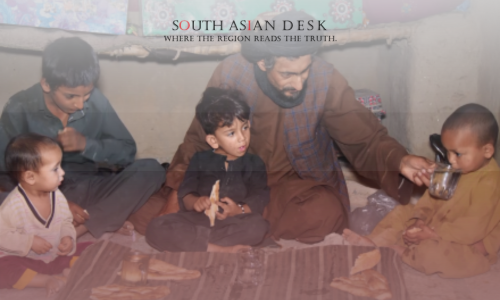
The Kabul poverty crisis 2025 has intensified, leaving thousands of families in Afghanistan’s capital struggling to access basic necessities. Approximately 9.5 million people, representing 20% of the population, are facing acute food insecurity, with limited access to adequate meals. This situation has placed immense pressure on households, particularly in urban areas like Kabul, where rising costs and unemployment have deepened economic challenges. The crisis, affecting millions across Afghanistan, underscores the urgent need for sustained humanitarian support in South Asia’s most vulnerable regions.
Scale of Hunger and Malnutrition in Kabul
The Kabul poverty crisis 2025 has led to severe hunger, with 3.5 million children under five and 1.2 million pregnant or breastfeeding women at risk of malnutrition. Families in Kabul report consuming minimal food, often limited to bread or rice, as prices for essentials have surged beyond reach. In some cases, households rely on children to scavenge or work to supplement income, highlighting the extent of desperation. Data indicates that urban centres, including Kabul, are among the hardest hit, with families unable to afford basic goods due to Afghanistan’s ongoing economic difficulties. The Kabul poverty crisis 2025 continues to strain communities, with no immediate relief in sight.
Impact of Reduced Humanitarian Aid
A significant factor in the Kabul poverty crisis 2025 is the reduction in international aid. Funding shortages have led to the suspension of nutrition programmes, affecting over 1.1 million women and children in 2024. Additionally, 280,000 individuals were removed from food assistance initiatives last year, further limiting access to critical support. Afghanistan’s economy, heavily reliant on foreign aid, has struggled to cope with these cuts, exacerbating food insecurity. The decline in humanitarian assistance has left families in Kabul with fewer resources, forcing them to prioritise between food, shelter, and other essentials. This situation has raised concerns across South Asia about the sustainability of aid-dependent economies.
Challenges Faced by Kabul’s Residents
Residents of Kabul, particularly daily wage earners, face significant obstacles due to the Kabul poverty crisis 2025. Many report going days with insufficient food, with some families unable to afford even basic staples. The lack of stable employment opportunities has compounded these challenges, leaving households vulnerable to eviction and debt. In urban areas, the crisis has led to increased reliance on informal support networks, though these are often insufficient. The situation is particularly acute for women and children, who face heightened risks of malnutrition and health complications. South Asian observers note that the crisis reflects broader regional challenges, including economic instability and limited access to resources.
Calls for Action to Address the Kabul Poverty Crisis 2025
Efforts to address the Kabul poverty crisis 2025 require urgent international and local action. Experts advocate for increased funding to restore food and nutrition programmes, alongside investments in sustainable solutions such as agricultural development and job creation. Afghan officials have called for unconditional aid to support vulnerable populations, while community leaders highlight the need for policies that protect families from hunger. The crisis has sparked discussions across South Asia about the importance of coordinated humanitarian responses to prevent further deterioration. Without prompt intervention, the Kabul poverty crisis 2025 risks deepening, with long-term consequences for Afghanistan’s social and economic stability.
Future Outlook for Afghanistan’s Capital
The Kabul poverty crisis 2025 remains a pressing issue, with millions in Afghanistan’s capital facing hunger and economic hardship. Restoring humanitarian aid and implementing long-term economic strategies are essential to alleviate the suffering of Kabul’s residents. The international community’s response will play a key role in determining whether families can access adequate food and resources. As South Asia grapples with similar challenges, the Kabul poverty crisis 2025 serves as a stark reminder of the need for collective action to support vulnerable populations.
Published in SouthAsianDesk, August 14th, 2025
Follow SouthAsianDesk on X, Instagram, and Facebook for insights on business and current affairs from across South Asia.