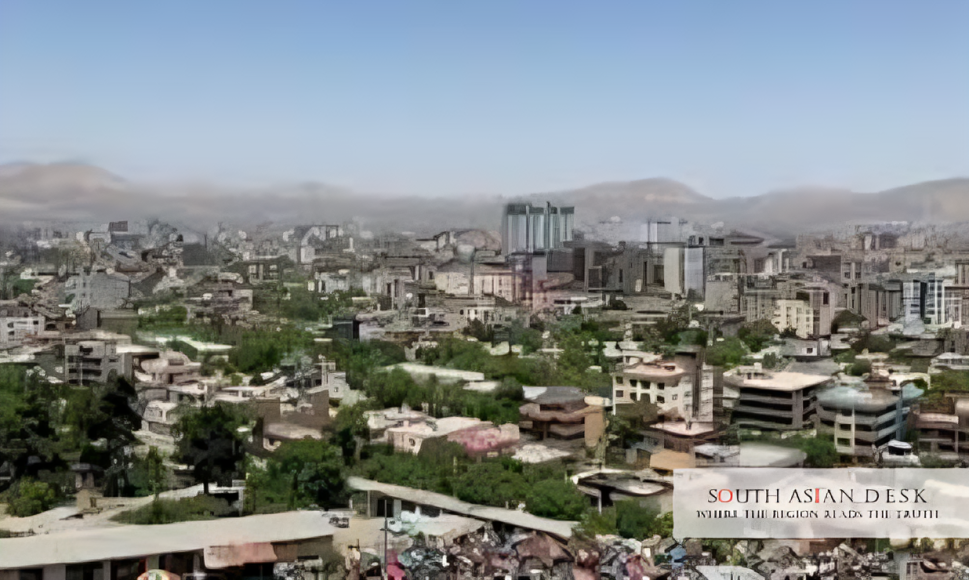
Kabul rent prices surged as residents face doubled costs as winter arrives, driven by returning migrants from Iran and Pakistan overwhelming the housing market, despite a 10 per cent cap from the Ministry of Justice that remains unenforced.
This surge exacerbates economic pressures on Afghan families, with rents for basic homes jumping from 6,000 Afghanis to over 10,000, forcing many to skip essentials or relocate amid harsh cold. The Afghan housing crisis ripples across South Asia, as mass returns from neighbouring Pakistan and Iran strain resources and highlight shared challenges in managing migrant flows and urban affordability.
The Afghan Housing Crisis Unfolds
Residents in Kabul report sharp increases in living expenses. Rental agreements once manageable now burden households. Families allocate more income to shelter, leaving less for food and heat. Ruhullah, a local resident, described the shift. He noted rents previously ranged from 2,000 to 5,000 Afghanis for houses. Now, costs have climbed due to new constructions and higher demand. These changes hit as temperatures drop.
Rangin, another Kabul dweller, echoed the strain. Rents have more than doubled, he said. People struggle to pay and spend days hunting for alternatives. The search yields few options in a crowded city. Property agents observe the same patterns. In recent months, prices for renting, buying, and mortgaging properties have all risen. Demand outpaces supply, pushing figures higher.
Rent Hikes in Kabul Winter
Winter compounds the issue. Cold weather demands secure homes, yet affordability slips away. Kabul’s streets fill with those displaced by costs. The rent hikes in Kabul winter stem from multiple factors. Population growth plays a role. More people seek space in the capital.
Migrant returns from Afghanistan’s neighbours add pressure. Thousands arrive from Iran and Pakistan, needing immediate shelter. This influx swells the market overnight.
Agents link the spikes directly to these arrivals. Basic two-room houses, once let for 6,000 to 7,000 Afghanis, now fetch 10,000 to 11,000. Landlords cite the demand as justification. Economic conditions worsen the picture. Low incomes meet high demands. Households cut back elsewhere to cover shelter.
The Ministry of Justice issued guidance earlier. Landlords must limit increases to 10 per cent, per leadership decisions. This aims to stabilise the sector. Implementation lags, however. Residents confirm prices exceed the cap. Enforcement appears absent, allowing hikes to persist.
Voices from the Ground
Local accounts paint a vivid scene. Ruhullah’s experience reflects broader trends. His former rent allowed balance. Now, the jump disrupts routines.
Rangin highlights the human toll. Nightly searches for homes become routine. Families weigh options, often settling for less. Masood, head of a Kabul real estate agency, provides market insight. He tracks daily transactions. The shift from 6,000 Afghanis to 11,000 marks a clear escalation.
He points to the Ministry’s rule. A specific percentage controls rents, he said. Yet, it sits unimplemented. Prices hold firm at elevated levels. These stories repeat across districts. Agents handle more inquiries than before. Buyers and renters compete fiercely.
Migrant Returns and Market Strain
Migrant returns from Afghanistan rent pressures intensify the cycle. Flows from Iran and Pakistan bring families back. They arrive with needs unmet.
The volume surprises the system. Housing stock fails to absorb the newcomers. Vacancies vanish quickly. Agents note the correlation. Returns coincide with price jumps. Population swells without matching builds. Winter timing adds urgency. New arrivals face frost without roofs. Temporary setups prove inadequate.
Residents absorb the impact indirectly. Their rents rise alongside. Shared scarcity drives the trend. The Afghan housing crisis ties to regional dynamics. Neighbours host millions. Repatriations respond to policies there. Kabul absorbs the bulk. Central locations fill first. Outskirts strain next.
Policy and Enforcement Gaps
The Ministry of Justice’s stance offers hope. The 10 per cent limit seeks fairness. Decisions from leadership underscore intent. Reality diverges. Residents report breaches. Increases surpass the threshold routinely. Agents confirm non-compliance. Rules exist on paper. Practice allows flexibility for owners. Enforcement requires action. Monitoring and penalties could curb excesses. Current gaps permit unchecked rises.
This disconnect fuels discontent. People question efficacy. Trust in measures erodes amid daily hardships. Broader economic ties link to rents. Incomes stagnate while costs climb. The imbalance widens. Kabul rent prices reflect deeper issues. Urban centres bear the weight. Rural options lure some, but jobs anchor most.
Daily Impacts on Families
Households adapt in varied ways. Some share units to split costs. Others relocate to edges. Food budgets shrink. Essentials yield to shelter priorities. Health follows suit in cold months. Children feel the pinch. Stable homes support schooling. Disruptions hinder progress.
Women manage added loads. They negotiate terms and scout options. Family roles shift under pressure. Men seek extra work. Day labour fills gaps. Fatigue mounts with winter demands. Communities rally informally. Neighbours exchange leads. Support networks emerge organically. Yet, limits persist. Not all find relief. The cycle continues for many.
Looking at Urban Trends
Kabul’s patterns mirror national ones. Capitals draw crowds. Services concentrate there. Rent hikes in Kabul winter signal alerts. Other cities may follow. Provinces watch closely. Construction lags behind. New builds take time. Demand races ahead. Agents predict persistence. Without intervention, prices hold high. Seasonal dips seem unlikely. Residents urge responses. Simple fixes could ease burdens. Awareness grows through shared tales. The Afghan housing crisis demands attention. Solutions require coordination. Short-term aids pair with long views.
Background
The surge in Kabul rent prices traces to recent months. Returning Afghans from Iran and Pakistan number in the thousands, overwhelming available units. The Ministry of Justice decreed a 10 per cent maximum increase, but enforcement falters, allowing landlords to charge more. Residents like Ruhullah and Rangin report rents doubling from 2,000-7,000 Afghanis to 10,000-11,000 for basic homes. Agents, including Masood, attribute this to population growth and migrant influxes, amid economic strains as winter begins.
What’s Next
Authorities may tighten enforcement on the 10 per cent cap to stabilise Kabul rent prices. Migrant support programmes could expand, easing housing demands. Residents anticipate policy reviews before spring, potentially averting deeper crises.
Published in SouthAsianDesk, November 24th, 2025
Follow SouthAsianDesk on X, Instagram, and Facebook for insights on business and current affairs from across South Asia.