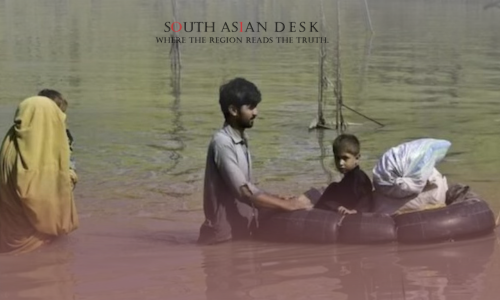
Since late June 2025, Khyber Pakhtunkhwa (KP) has been hit hard by intense monsoon rains. The initial death toll is 71 in Khyber Pakhtunkhwa flash floods, over half of them children, and 86 injuries, according to the KP Provincial Disaster Management Authority (PDMA). These heavy rains, part of the annual monsoon season from June to September, have led to devastating flash floods, landslides, and infrastructure collapses, particularly in vulnerable, poorly drained, or densely populated regions.
Highest Causalities in Khyber Pakhtunkhwa Flash Floods
Swat district recorded the highest casualties, with 22 deaths, mostly caused by flooding, landslides, and structural collapses. A tragic incident on June 27 involved 17 tourists swept away by sudden flash floods in Swat and Malakand. 12 bodies were recovered, 4 rescued, and 1 person remains missing. The delay in rescue sparked public criticism and outrage on social media.
On July 21, separate incidents claimed more lives: a woman drowned in a local stream, two children were swept away, and a roof collapse in Bahrain tehsil (Swat) killed three more children.
So far, 358 houses have been damaged across the province, with 54 completely destroyed. Swat suffered the worst damage (63 houses), followed by Karak (38) and Buner (22). Additionally, 142 livestock were lost.
District-wise death breakdown includes:
Swat (22), Buner (4), Malakand (5), Charsadda (3), Upper Dir (3), Torghar (2), Mansehra (3), Hangu (2), Khyber (3), Abbottabad (5), Shangla (2), Bajaur (3), Lower Kohistan (2), Lakki Marwat (3), Battagram (2), and one death each in Karak, Haripur, Upper Kohistan, Nowshera, and Kohat.
With more rainfall forecast from August 4–7, the Pakistan Meteorological Department (PMD) and PDMA have issued warnings for potential flooding and thunderstorms in areas like Chitral, Dir, Swat, Kalam, Mansehra, Battagram, Abbottabad, Haripur, Peshawar, and more. Authorities have been urged to remain on high alert.
Climate Experts Warned
Climate experts continue to warn that these disasters are becoming increasingly frequent and severe due to climate change, glacial melt, and poor urban infrastructure. Social media users have been vocal in demanding better disaster preparedness and flood mitigation planning.
Published in SouthAsianDesk, August 6th, 2025
Follow SouthAsianDesk on X, Instagram, and Facebook for insights on business and current affairs from across South Asia.