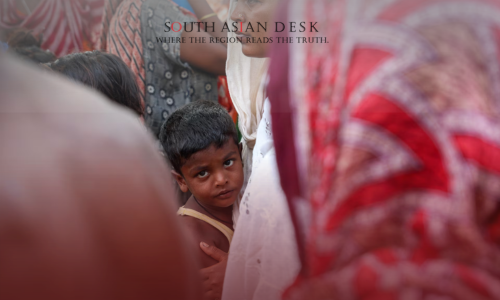
In Assam, India, hundreds of Muslim families, primarily Bengali-speaking, have been displaced from their homes in recent weeks, taking shelter under makeshift tarpaulin camps near the Bangladesh border creating a major Muslim evictions. Authorities have demolished thousands of homes, citing illegal occupation of government land, in what has been described as the most extensive eviction drive in decades. These actions, occurring ahead of state elections, have raised concerns about targeted discrimination and political motives.
Background of Mass Muslim Evictions
Since May 2021, under Chief Minister Himanta Biswa Sarma, approximately 50,000 people, mostly Bengali Muslims, have been evicted from 160 square kilometers of land. In the past month alone, around 3,400 homes were bulldozed across five eviction drives, according to state data. Many of these families, long-term residents with established ties to the region, face accusations of being “illegal infiltrators” from Bangladesh. Human rights advocates argue that these evictions disproportionately target Muslims, with tribunals declaring around 30,000 people as foreigners, often without adequate legal recourse due to poverty.
The timing of these evictions aligns with heightened tensions following the August 2024 ouster of Bangladesh’s pro-India premier, exacerbating anti-Muslim sentiment. Opposition leaders, including Akhil Gogoi, have accused the ruling Bharatiya Janata Party (BJP) of leveraging these actions to polarize voters before the polls. The opposition Congress party has pledged to rebuild the demolished homes if elected. Meanwhile, posts on X reflect public outrage, with some users alleging that Indian citizens are among those expelled, pointing to a lack of due process.
The evictions follow a broader pattern, including the 2019 citizenship law amendment that fast-tracked naturalization for non-Muslim migrants, raising questions about discriminatory policies. Human rights groups have criticized the government for endangering vulnerable communities, with reports of excessive force and destroyed identity documents during expulsions. As Assam braces for elections, the plight of these displaced families remains a contentious issue, highlighting deep-seated ethnic and religious divides.
Published in SouthAsianDesk, July 28th, 2025
Follow SouthAsianDesk on X, Instagram, and Facebook for insights on business and current affairs from across South Asia.