Nepal and Bangladesh have resumed commerce secretary-level talks in Dhaka on 11 January 2026 to revive negotiations on a bilateral preferential trade agreement stalled since 2020, focusing on tariff barriers, goods lists, transit, and investment cooperation.
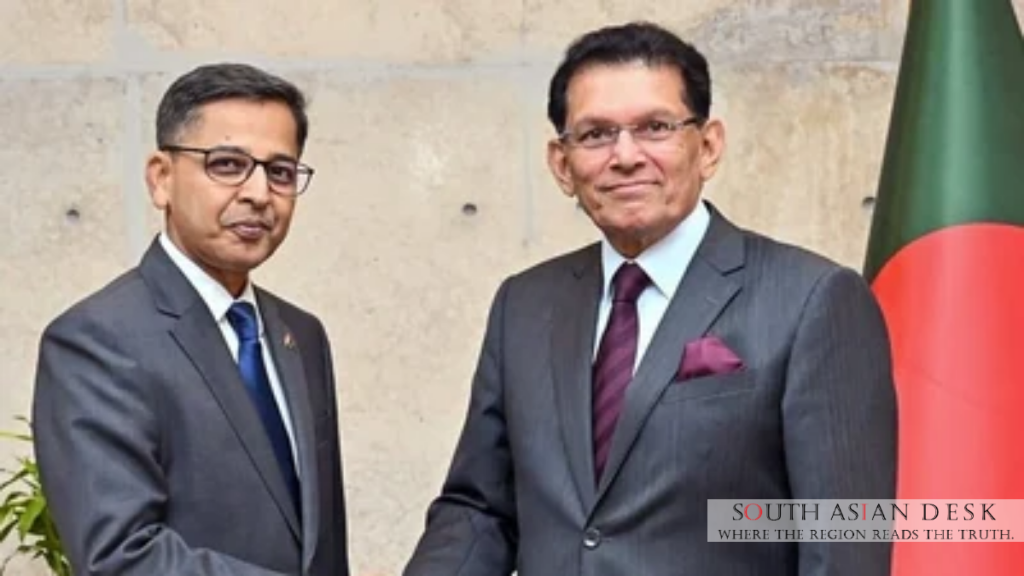
Nepal Bangladesh trade talks restarted in Dhaka with Nepal’s Commerce Secretary Ram Prasad Ghimire and Bangladesh’s Commerce Secretary Mahbubur Rahman co-chairing the meeting. The two-day discussions aim to address long-pending issues in Nepal Bangladesh preferential trade. The sides seek to finalise the list of goods under a potential PTA, strengthen economic ties, and enhance sub-regional connectivity.
Nepal Bangladesh PTA talks mark the first in-person commerce secretary-level dialogue since the virtual meeting in October 2020. That earlier session agreed in principle to sign a bilateral PTA – the first since diplomatic relations began in 1972 – but disagreements over tariffs and para-tariffs halted progress.
Why This Matters in South Asia
Bilateral trade between Nepal and Bangladesh remains modest at Rs5.84 billion, with Nepal exporting Rs666.15 million (up 20 percent year-on-year) and importing Rs5.18 billion (up 55.7 percent) in the last fiscal year. Nepal’s exports focus on lentils, molasses, medicinal plants, and seeds, while imports include jute, medicaments, and textiles. A successful Nepal Bangladesh preferential trade deal would reduce barriers, boost exports, and support diversification. Both nations graduate from LDC status in 2026, making preferential access critical to maintain market advantages. Enhanced connectivity via transit routes, railways, and inland waterways would lower costs and promote BBIN integration. For South Asia, stronger ties foster sub-regional stability, economic resilience, and reduced dependence on larger partners.
Details of the Current Nepal Bangladesh Trade Talks
The meeting revisits the proposed PTA and goods coverage. Nepal pushes for elimination of Bangladesh’s para-tariffs and other duties, which can raise total charges to 130–132 percent on Nepali exports. An official at Nepal’s Ministry of Industry, Commerce and Supplies stated that Bangladesh promises removal of these charges in meetings but has not delivered. Nepal insists on their elimination as a precondition for signing.
Discussions cover transit options, including the Rohanpur–Singhabad railway for cargo through India, inland waterways, and other rail links. Existing road and seaport access via Chittagong and Mongla complements these. The sides address SPS measures to harmonise standards, strengthen quarantine, and ease rules for organic goods.
Nepal forwarded a draft Bilateral Investment Agreement for review. Visa facilities for Nepali students and businesspeople also feature, as Bangladesh currently offers no visas on arrival for these groups.
Background on the Deadlock
The sixth Nepal–Bangladesh commerce secretary-level dialogue in October 2020 agreed to conclude the PTA. Disagreements on tariffs, para-tariffs, and other duties stalled progress. Nepal demanded removal of hidden charges that inflate export costs. Bangladesh cited revenue concerns as a WTO member entitled to impose such duties.
Frequent government changes in Nepal delayed preparation of exportable goods lists. A 2023 SAWTEE study showed Nepal’s exports to Bangladesh at $4.4 million in 2022, dominated by lentils (89.5 percent), with limited diversification. Imports from Bangladesh reached $65.9 million, mainly agricultural and manufactured goods.
Broader Bilateral Economic Context
Diplomatic relations date to 1972. Trade remains imbalanced, with Nepal facing structural constraints. SAFTA provides some preferences, but bilateral PTA would offer deeper access. Both countries engage in BBIN and BIMSTEC for connectivity.
Nepal Bangladesh resume trade deal efforts align with post-LDC strategies. Graduation threatens duty-free benefits, making bilateral pacts essential.
Forward-Looking Outlook
Progress in these Nepal Bangladesh trade talks could lead to a finalised PTA, expanded goods lists, and improved transit. Sustained dialogue on barriers and investment promises mutual gains. As both prepare for 2026 graduation, Nepal Bangladesh preferential trade remains key to resilient economic ties.
What’s Next
The two-day meeting concludes with expected outcomes on goods lists and PTA text. Follow-up technical committees may address remaining issues. Official announcements will confirm advancements in transit, SPS, and investment cooperation.
Published in SouthAsianDesk, January 12th, 2026
Follow SouthAsianDesk on X, Instagram and Facebook for insights on business and current affairs from across South Asia.