Nepal’s interim Prime Minister Sushila Karki signed a landmark 10-point Nepal Gen Z pact with Gen Z representatives on Wednesday evening. The agreement commits to Nepal anti-corruption reforms, electoral changes, and support for protest victims. It follows the Gen Z Nepal uprising in September that ousted the prior government and left 76 dead. How? Through negotiations at the Prime Minister’s Office amid group rifts.
This pact holds weight across South Asia. Youth movements like Nepal’s expose deep-rooted corruption and inequality, potentially inspiring similar pushes in India and Bangladesh for governance accountability. It marks a rare win for protesters, blending street action with policy shifts in a region plagued by elite capture.
Signing of the Nepal Gen Z Pact
The ceremony unfolded at 6 PM in Kathmandu. Karki, a 73-year-old former chief justice appointed post-uprising, represented the interim administration. Youth signatories included Bhoj Bikram Thapa for families of the deceased and injured, and Yujan Rajbhandari, a 23-year-old spokesperson.
Tensions surfaced during talks. Some Gen Z factions, absent from the President, tore draft copies in protest. Despite this, the deal advanced, recognising the September events as a “people’s movement” driven by public frustration over corruption and exclusion.
Karki called it “a milestone”. She added: “We are here as two sides in this agreement, but we are all on the same side. What we all want is for the youth to come into leadership and the nation to run according to their aspirations and thoughts.”
Rajbhandari echoed the sentiment: “It’s a very emotional moment and a historic achievement for all of Gen Z. We worked day and night for three months to make this agreement happen. This agreement has given legitimacy to the Gen-Z protest, and we hope it will bring justice to the families of the martyrs.”
The Nepal Gen Z pact formalises commitments after 92 days of deadlock. It expands the mandate of a commission probing the uprising’s violence.
Key Provisions in Nepal Anti-Corruption Reforms
The 10-point outline targets systemic flaws exposed by the Nepal youth movement. Central is a high-level commission to probe political, policy, and institutional corruption. It will recommend steps to end partisan appointments in public bodies.
Other pillars include:
- Honouring 76 martyrs with memorials and family relief packages.
- Free medical care, education, jobs, and social security for the injured.
- Screening and withdrawing cases against protesters where justified.
- Forming a Martyrs’ Memorial Foundation.
- Investigating human rights abuses during clashes, with action against perpetrators.
- Establishing a Gen Z Council to advise on democratic processes.
- Banning factional influence in state institutions.
- Strengthening anti-corruption bodies through independent oversight.
- Introducing term limits for officials to curb entrenchment.
- Proposing constitutional tweaks for better representation.
These Nepal anti-corruption reforms aim to rebuild trust. Data from the interim government shows corruption scandals cost Nepal NPR 500 billion annually pre-uprising. The pact ties implementation to the March 5, 2026, elections.
Electoral Overhaul from Gen Z Nepal Uprising
The Gen Z Nepal uprising demanded fair polls. The Nepal Gen Z pact delivers with concrete electoral reforms. A “None of the Above” (NOTA) option will appear on ballots. Primary elections become mandatory for parties. The minimum candidacy age drops to 21 years.
A separate commission will overhaul the system. Focus areas: proportional youth quotas, reducing money’s role in campaigns, and digital voting trials. These changes stem directly from protester manifestos circulated via Discord and social media.
Youth leaders hail it as empowerment. One anonymous Gen Z coordinator said: “The Nepal youth movement forced this. No more old guards rigging the game.” Official tallies confirm 19 deaths on day one from police firing, mostly head and chest wounds, breaching protocols.
Background: The Gen Z Nepal Uprising
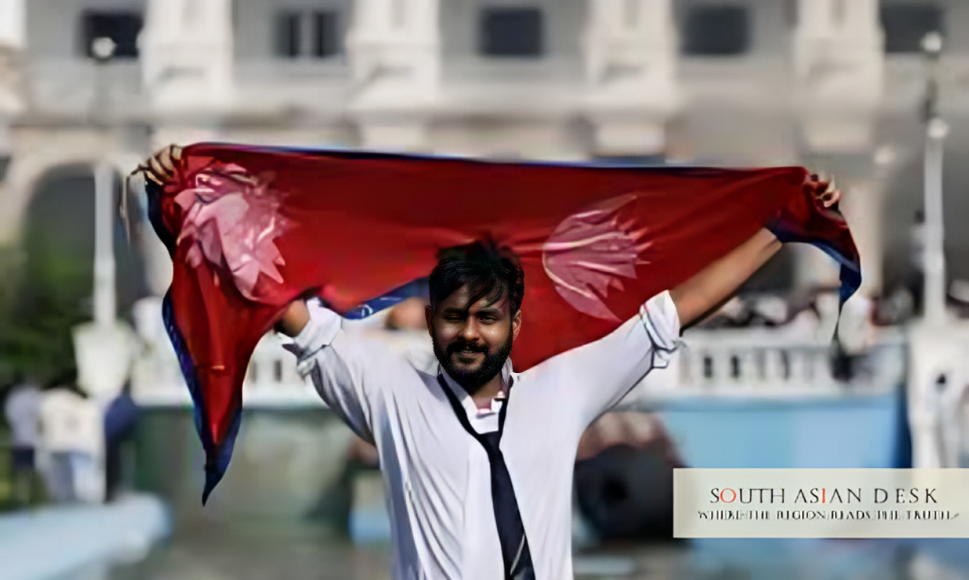
The Nepal youth movement ignited on September 8, 2025. A short-lived social media ban sparked fury amid economic woes and graft scandals. Protesters, mostly under 25, torched parliament and party offices. Clashes spread nationwide by September 9.
Then-Prime Minister KP Sharma Oli’s regime crumbled. Home Minister Ramesh Lekhak resigned over lethal force use. Parliament dissolved. Karki’s appointment stabilised the interim setup, tasked with polls.
At least 76 perished, per health ministry figures. Post-mortems revealed excessive weaponry. The Gen Z Nepal uprising, coordinated online, drew 500,000 participants. It echoed regional youth surges, like Bangladesh’s quota protests, but yielded faster concessions.
Impact of Nepal Anti-Corruption Reforms on Governance
Beyond polls, the Nepal Gen Z pact reshapes institutions. Judicial reforms target delays and bias. Constitutional commissions gain independence. A good governance panel will monitor progress quarterly.
Economists predict gains. Pre-uprising, Transparency International ranked Nepal 108th globally for corruption. Post-pact implementation could lift it 10 spots by 2027, boosting foreign investment to USD 2 billion yearly.
Youth involvement surges. The Gen Z Council, with 15 members under 30, will vet policies. This counters the Nepal youth movement’s core gripe: exclusion from decisions affecting 40 per cent of the population aged 15-29.
Rifts persist. Splinter groups decry the deal’s speed. Yet, signatories vow unity. “This is step one,” Rajbhandari noted.
What’s Next for the Nepal Youth Movement
Implementation starts January 2026. The anti-corruption commission forms within 30 days. Electoral tweaks require parliamentary nod post-polls. Karki’s team eyes donor aid from India and the UN for victim support.
Challenges loom. Factional divides could derail. Economic recovery demands NPR 100 billion in aid. Regional eyes watch: Will Nepal’s model export?
The Nepal Gen Z pact sets a precedent. It proves youth voices can rewrite rules, fostering hope for South Asia’s next generation.
The Nepal Gen Z pact promises a cleaner, fairer Nepal, with youth at the helm steering towards 2026 elections and beyond.
Published in SouthAsianDesk, December 11th, 2025
Follow SouthAsianDesk on X, Instagram, and Facebook for insights on business and current affairs from across South Asia.