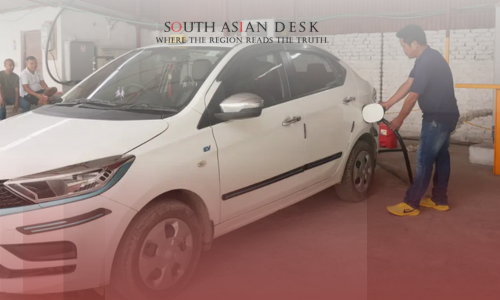
Kathmandu, Nepal’s capital, is witnessing a rapid transition to electric vehicles (EVs), driven by government policies and growing environmental awareness. From just 250 EVs in 2020, the country saw over 13,000 on its roads by 2024, with more than 70% of newly imported four-wheeler private vehicles being electric. This shift is reshaping urban mobility and addressing the city’s severe air pollution, which often exceeds World Health Organization PM2.5 guidelines by 20 to 35 times.
The government’s EV-friendly policies, including lower taxes on electric vehicles compared to traditional internal combustion engine (ICE) vehicles, have fueled this adoption. By 2030, Nepal aims for 90% of new private and 60% of new public four-wheeler vehicles to be electric, supported by investments in charging infrastructure and the country’s abundant hydropower resources. These clean energy sources align with Nepal’s goal to reduce carbon emissions and improve public health, as air pollution contributes to nearly one in five deaths in the country.
Local drivers, like cab operator Sabin Kumar Chettri, who switched to an EV in 2024, highlight the economic benefits. EVs offer lower maintenance costs and reduced fuel expenses compared to gasoline vehicles, especially as imported fuel prices rise. Public transport is also electrifying, with 100 new electric buses planned for Kathmandu Valley to provide cleaner, reliable commuting options. Posts on X reflect public enthusiasm for these initiatives, noting their potential to ease transport challenges and promote sustainability.
However, challenges persist. Nepal relies heavily on EV imports from China and India, and a shortage of skilled technicians limits maintenance capabilities. Efforts are underway to address these gaps, with international partners like the World Bank and Global Green Growth Institute supporting technician training and EV financing. Environmental experts emphasize that electrifying diesel buses and trucks is key to maximizing air quality improvements, given their significant contribution to pollution.
Nepal’s push for EVs, backed by its hydropower potential and strategic policies, positions it as a leader in sustainable transport in South Asia. As Kathmandu navigates infrastructure and policy hurdles, its green shift offers a model for balancing economic growth with environmental care.
Published in SouthAsianDesk, July 11th, 2025
Follow SouthAsianDesk on X, Instagram and Facebook for insights on business and current affairs from across South Asia.