Nepal’s media landscape faces a storm of controversy following a recent amendment to the Printing and Publication Act, named as Media Law, raising fears over press freedom and government overreach. The change, quietly enacted on July 30, 2025, shifts the authority to register and renew online media outlets from the Department of Information to district authorities under the Home Ministry, leaving journalists and media professionals reeling with questions about transparency and control.
Reaction of Officials Over This Media Law
The amendment, published in the Nepal Gazette among changes to 76 laws, caught even the Minister for Communication and Information Technology, Prithvi Subba Gurung, by surprise. The minister, along with his department, was reportedly unaware of the proposal, which bypassed their oversight and sparked accusations of secretive governance. Media stakeholders, including editors and advocates, have expressed dismay at the lack of consultation, with many questioning why online media registration now falls under district authorities rather than the communication ministry’s established framework.
Under the revised Article 20 (2) of the Act, individuals seeking to operate online media must apply to the Chief District Officer, who holds discretionary power to grant or deny registration after an inquiry. The law’s vague wording, stating that further regulations will clarify operational details, has left media outlets in limbo. District offices, unprepared for their new role, have yet to begin registrations due to the absence of clear guidelines, while the Department of Information halted its registration process on August 6, 2025, creating a regulatory void.
Media Calling it A Tight Control on Them
Journalists and media advocates fear this shift could tighten government control over digital platforms, threatening Nepal’s constitutional guarantee of press freedom. The move to place online media under the Home Ministry’s purview, rather than the communication ministry, raises concerns about potential misuse of authority, especially given the discretionary powers granted to district officials. Critics argue that the amendment’s ambiguity could allow authorities to suppress critical voices, undermining the independence of Nepal’s vibrant media sector.
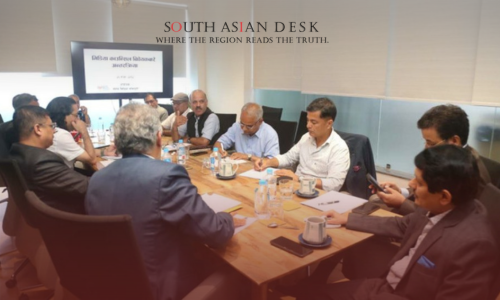
The timing of the amendment adds to the unease, as discussions on a broader Media Council Bill continue in Parliament. Media professionals worry that these legal changes could derail efforts to create a balanced regulatory framework, further complicating the operating environment for journalists and online platforms. The Nepal Media Society
Published in SouthAsianDesk, August 9th, 2025
Follow SouthAsianDesk on X, Instagram, and Facebook for insights on business and current affairs from across South Asia.