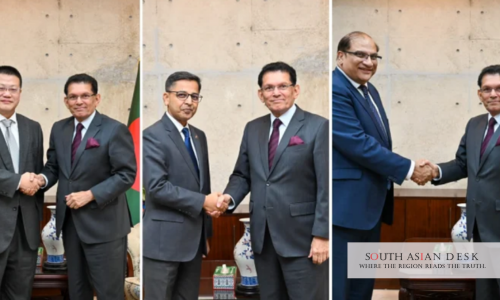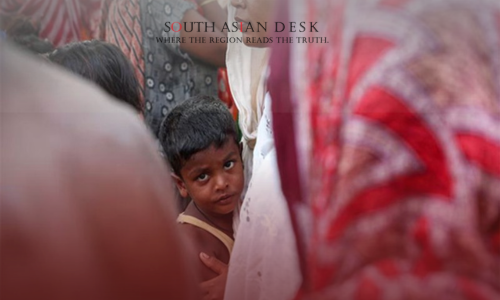
One year after the ousting of Prime Minister Sheikh Hasina on August 5, 2024, a HRW reports underscores persistent human rights issues under Bangladesh’s interim government led by Muhammad Yunus. Following the Monsoon Revolution, which saw 1,400 deaths during protests against Hasina’s regime, the interim administration has struggled to implement promised reforms. While enforced disappearances have reportedly decreased, arbitrary detentions targeting alleged Awami League supporters continue, with over 92,000 people facing charges, many under the Special Powers Act, raising concerns about politically motivated arrests.
Details of HRW Reports
The report notes that security forces remain unreformed, with ongoing torture and deaths in custody signaling a need for systemic change. A commission investigating over 3,500 cases of enforced disappearances has faced obstruction from security agencies, with evidence reportedly destroyed. Posts on X echo these concerns, highlighting resistance from political groups and religious hardliners opposing rights for women, LGBT individuals, and minorities. The Yunus government has established 11 reform commissions, but progress remains slow, leaving the aspirations of the 2024 uprising unfulfilled.
Published in SouthAsianDesk, July 31st, 2025
Follow SouthAsianDesk on X, Instagram, and Facebook for insights on business and current affairs from across South Asia.